
A parent’s guide to sensory-friendly learning activities in Ziggyloo biomes
Choose a Ziggyloo biome by your child’s energy, sound, and movement needs. This practical guide helps you find a better fit without guessing.
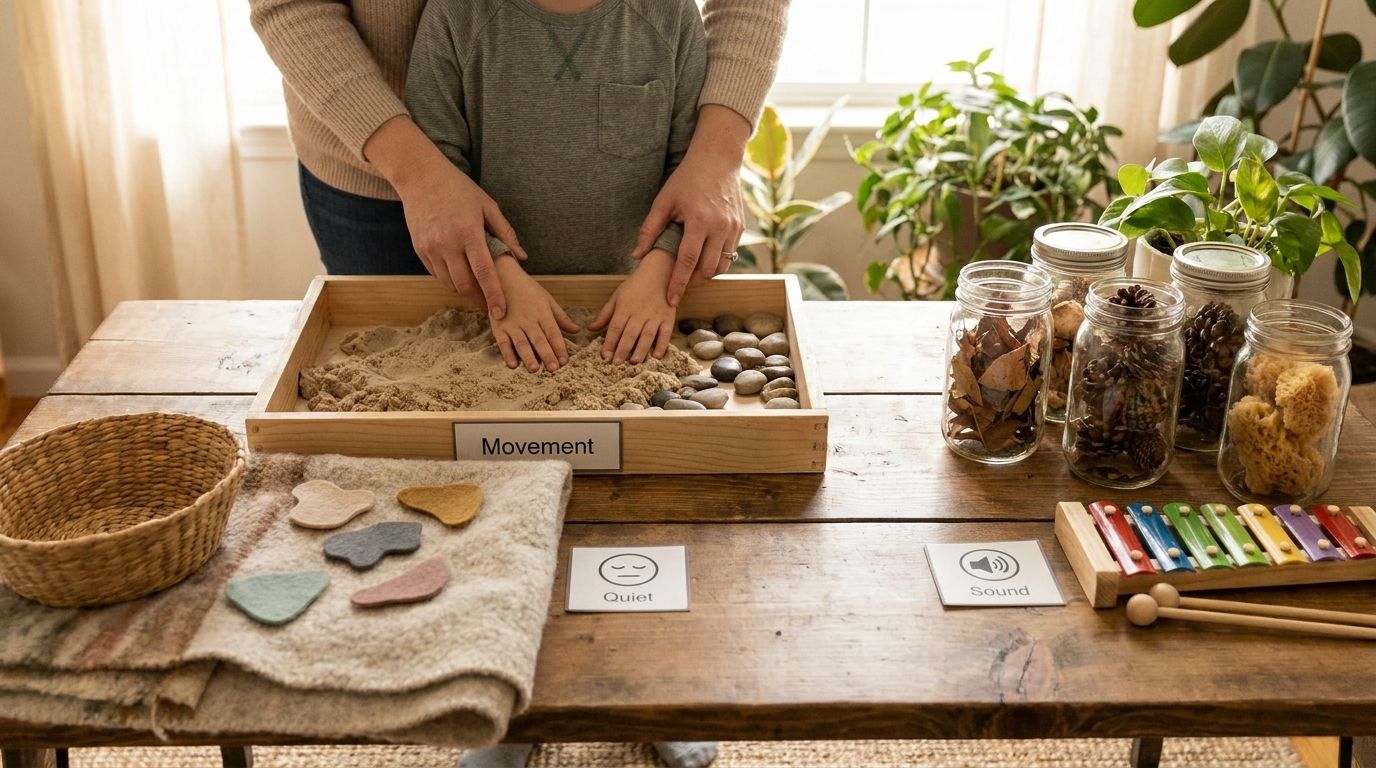
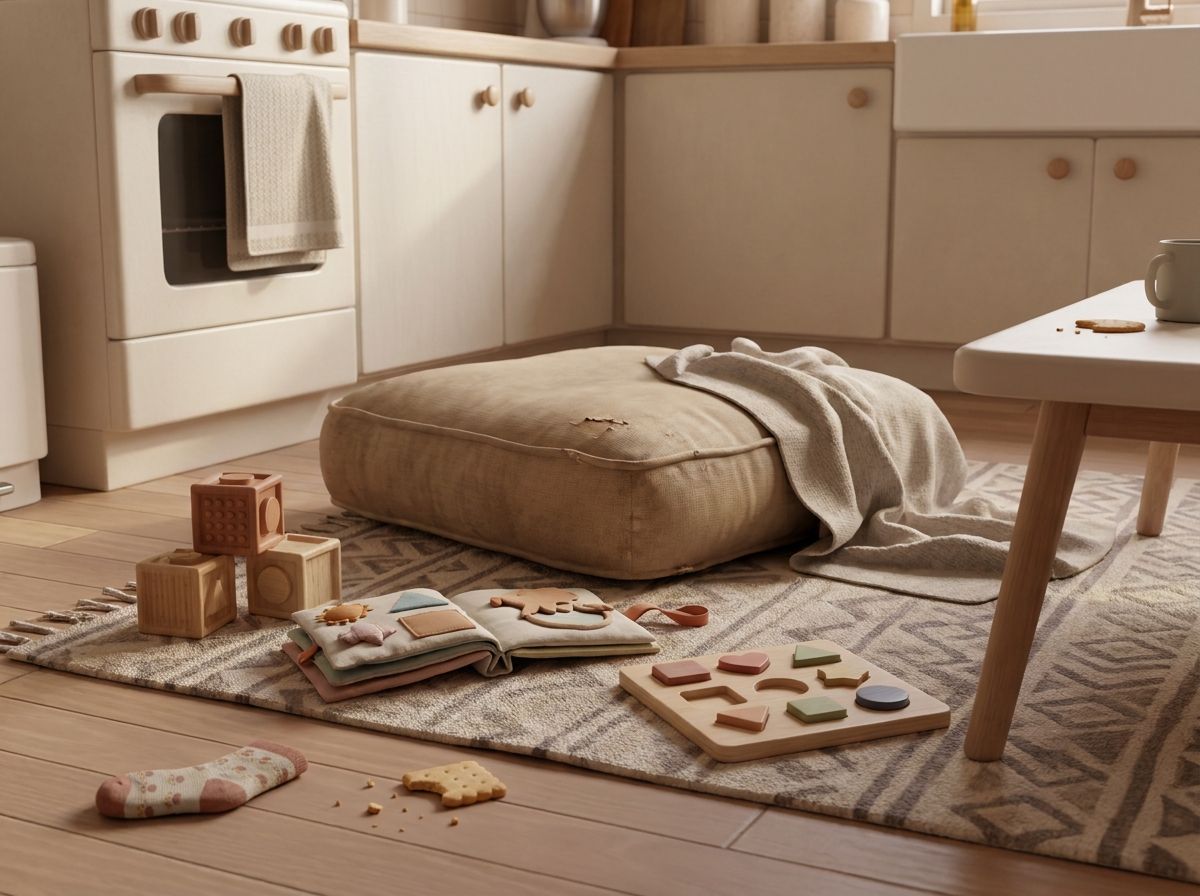
At 4:42 p.m., the kitchen floor is covered with crackers, one missing sock, and a workbook nobody has opened. Your child is circling the table, humming loudly, while you wonder whether learning needs to wait until tomorrow. It can. The right Ziggyloo biome can make learning feel more reachable by matching the moment's need for movement, music, or quiet discovery.
For sensory-friendly learning activities, start with your child's current body signals rather than the subject you planned. A child who is bouncing may need movement before reading. A child hiding under the table may need a quieter learning space before any question feels fair.
This guide helps you choose among Ziggyloo's biome experiences, adjust your expectations, and use short activities without turning the afternoon into a negotiation. There is no perfect biome for every child or every day. Even toast has moods.
Start with the body signal, not the lesson plan
Before choosing a biome, pause for ten seconds and notice what your child's body is telling you. No diagnosis, chart, or special vocabulary required. Just look at speed, volume, posture, and how easily your child can shift attention.
A child who is tapping, rocking, pacing, or seeking crashes may be asking for movement activities for neurodivergent children. A child covering their ears, squinting at the screen, or giving one-word answers may need less sound and fewer visual demands. A child staring closely at something small may be ready for quiet discovery, even if conversation is the last thing they want.
Try this quick check before opening Ziggyloo:
- If your child is moving constantly, choose a biome with active games, large actions, or rhythm.
- If your child is making more noise than usual, choose music with a clear stopping point and a low time demand.
- If your child is retreating, choose a quiet setting with one visual focus and no rush to respond.
- If your child is calm but bored, choose exploration that lets them notice, sort, compare, or create.
When 6-year-old Mateo came home from school on a rainy Tuesday, his mother noticed he was jumping from the sofa to the rug and bumping into cushions. She skipped the planned spelling review and instead offered a movement game, then returned to two spelling words after his body slowed down.
The lesson was not lost. It was moved. That distinction matters because sensory needs can change access to a task without changing a child's ability to learn it.
You can also ask, "Do you need your body to move, your ears to listen, or your eyes to notice?" Your child may answer with words, gestures, or a dramatic flop onto the floor. All three count.
Choosing sensory-friendly learning activities for movement
Movement is not a reward your child must earn after sitting still. For many children, movement helps their attention organize itself. The Centers for Disease Control and Prevention recommends that children ages 6 to 17 get at least 60 minutes of physical activity each day, and short bursts can count toward that total. A learning activity does not need to look like a workout to involve useful movement.
Choose a movement-focused biome when your child is alert, restless, or seeking strong body input. You might notice running, climbing, pushing furniture, squeezing objects, or asking to repeat the same physical action over and over. The aim is not to tire your child out. It is to give their body a safe job so their mind has more room for learning.
Use these parent-led adjustments:
- Let your child stand, sway, march, or stretch while listening to a story.
- Set a two-minute activity window before asking for a seated response.
- Give one direction at a time, then let your child show the answer through motion.
- Stop while the activity still feels successful, rather than waiting for exhaustion.
Imagine 8-year-old Priya in the living room at 7:15 a.m. Her school bus arrives in twenty minutes, and writing feels impossible. Her father chooses a movement activity in Ziggyloo, asks her to clap the syllables in three words, and lets her pace between each attempt. She completes the task while standing. That is not cheating. It is a better fit for that morning.
Movement can also support transitions. You can say, "After two more jumps, we will choose the next activity." A concrete body cue may work better than repeating, "Come on, we have to go," while your own patience quietly leaves through the window (we have all been there).
If your child becomes more frantic rather than more organized, lower the intensity. Choose slower actions, fewer visual effects, and a clear ending. Some children need pushing or carrying activities; others need gentle rocking or stretching. Watch what helps your child return to themselves.
When music is the best doorway into learning
Music can give a child a predictable pattern when spoken directions feel loose or hard to hold. A steady beat may support timing, memory, language, and transitions. But it can also be too much. The right question is not whether your child likes music in general. It is whether this sound, at this volume, at this pace, and this length, fits the current moment.
Choose a music-focused biome when your child is humming, repeating phrases, tapping objects, or responding well to rhythm. Song Cloud can offer a starting point when you want an original song without building a whole activity from scratch. Keep the first try brief. One song may be plenty.
You can make music more comfortable by adjusting the conditions around it:
- Keep the volume low enough that you can speak over it without raising your voice.
- Preview the ending with a timer, gesture, or simple phrase.
- Let your child listen without singing, copying, or answering.
- Pair one repeated song with one familiar task, such as putting on shoes.
- Offer headphones or distance from the speaker if sound feels sharp.
Nine-year-old Ellis uses rhythm to handle spelling practice. His mother taps once for each letter while he builds the word with tiles. On days when his ears are tired, she turns the song off and keeps only the tapping. The learning goal stays the same, but the sound load changes.
Music does not need to become a performance. You can invite your child to choose a beat, pause the song, or make a sound that matches an animal or weather pattern. Those choices support participation without demanding eye contact or a polished response.
Pay attention to what happens after the music stops. If your child seems settled and ready to continue, the biome was a useful bridge. If they cover their ears, speed up, or become upset, quiet discovery is probably the better call next time. A favorite song can still be the wrong tool at 5:30 p.m.
Building quiet learning spaces for kids
Quiet learning spaces for kids do not have to be silent rooms with perfect cushions. A quiet space is any setup that reduces the amount your child must filter at once. It may be a bedroom corner, the back seat of a parked car, or the kitchen table after the blender and dishwasher are off.
Choose quiet discovery when your child looks tired, withdrawn, watchful, or easily startled. This is often a better fit after school, after a busy appointment, or following a social event. The goal is not to make your child talk. The goal is to make noticing and exploring feel safe enough to begin.
Try setting up the experience this way:
- Turn off background video, alerts, and nearby music.
- Offer one activity rather than a full menu of choices.
- Use a soft lamp or natural light instead of bright overhead lighting.
- Leave space for looking, touching, listening, or waiting before asking a question.
- End with a familiar action, such as closing the app or choosing a crystal reward.
Consider 5-year-old Lila after a crowded birthday party. She does not want a story, a snack, or a hug. Her parent dims the bedroom light, sits nearby, and opens a quiet discovery activity with no demand for an answer. Lila watches for three minutes, points once, and then asks to continue. That small point is the beginning, not a test result.
For children who are autistic, predictable sensory conditions can make it easier to take part in learning. The National Autistic Society has long described sensory differences as common for autistic people, with some seeking more input and others avoiding it. Your child may also move between both patterns across the same day.
You can keep a small "quiet kit" nearby: a blanket, water bottle, familiar object, and headphones. Not a punishment space. A place where your child can lower the volume of the world before deciding what comes next.
Match the biome to the learning goal
Once you have noticed your child's energy, connect the biome to one small learning goal. Avoid asking a single activity to solve attention, handwriting, emotional regulation, reading, and the entire family's evening schedule. That is a lot to put on one little digital doorway.
A movement biome may suit counting steps, practicing action words, or reviewing letter sounds through claps and jumps. A music biome may fit rhyming, sequencing, transitions, or remembering a repeated phrase. A quiet biome may suit visual matching, listening to a story, noticing patterns, or answering one question after a pause.
Use this matching guide:
- For early reading, try a song or quiet read-along based on whether your child needs rhythm or reduced input.
- For number practice, try movement when your child benefits from counting actions or quiet exploration when they like sorting and comparing.
- For language practice, use music for repetition and a calm biome for pointing, choosing, or finishing a sentence.
- For creative work, choose the environment that lets your child make decisions without rushing to explain them.
The AI learning companion in Ziggyloo can adapt its conversation to your child, while parent-visible transcripts let you review what happened later. Use that information to notice patterns, not to grade the session. If your child answers more fully after movement, that is useful. If they stop responding after loud music, that is useful too.
Say the goal out loud to yourself: "We are practicing two sounds," or "We are noticing three shapes." Then stop when that goal is met. A short success gives you better information than a long struggle.
For 7-year-old Jordan, the goal is reading five sight words. On a high-energy day, the parent chooses movement, reads each word aloud, and lets Jordan step onto a floor card for the matching word. On a quiet morning, the same words appear during a read-along. The goal stays steady while the route changes.
Create a simple biome routine that can change
A routine helps your child know what to expect, but it should not become a rigid contract. You can use the same three-part shape each time: notice, choose, finish. The activity may change. The structure stays familiar.
Start by noticing the body signal. You might say, "Your legs are busy," "That sound feels too big," or "You are watching quietly." Keep your words neutral. You are naming information, not correcting a problem.
Then offer two choices that both work for you:
- "Movement or quiet discovery?"
- "One song or one story?"
- "Standing or sitting?"
- "Now for five minutes or after a drink of water?"
Two choices are often enough. A long list can become its own task, especially when your child is already overloaded. If your child does not choose, make a gentle guess and say, "I'll start with quiet, and we can change it."
Finish with a clear signal. Close the story, put away the headphones, collect a crystal, or name the next ordinary step. You can also save a short note in your phone: time, biome, activity, and what helped. After a week, patterns may start to surface.
Look for details such as:
- whether your child joined faster in the morning or evening
- whether music helped before movement or after it
- whether a quiet setting reduced repeated questions
- whether the activity ended with calm, energy, or frustration
Do not treat these notes as a performance report. They are clues for tomorrow. Ziggyloo's Learning Trail can give you a guided path across focus areas, but you still decide when the day needs a pause, a change, or a snack break.
If a biome fails, the child has not failed. Change one part: lower the sound, shorten the activity, add movement, or remove the demand to answer. Then try again later, or leave it for another day. Learning is allowed to have an intermission.
FAQ
How do I choose a Ziggyloo biome for my child?
Start by noticing whether your child needs movement, sound, or reduced sensory input. Choose a biome that matches that need, then connect it to one small learning goal. You can change the biome if your child's body signals change.
What are good movement activities for neurodivergent children?
Good movement activities let your child move safely while practicing a clear skill. Try marching while counting, clapping syllables, stepping toward matching letters, or standing during a read-along. Keep the activity short and stop before your child becomes overwhelmed.
How can I create quiet learning spaces for kids at home?
Reduce background sound, dim harsh lights, offer one activity, and allow extra time before expecting an answer. A quiet space can be a bedroom corner, a calm car, or a cleared kitchen table. It does not need to be silent or perfectly arranged.
Are sensory-friendly learning activities only for autistic children?
No. Sensory-friendly activities can help any child who is tired, distracted, anxious, or sensitive to sound, light, touch, or movement. Children with ADHD, dyslexia, developmental delays, and many other learning profiles may also benefit from a better match between the environment and the task.
What should I do if my child refuses the activity?
Treat refusal as information rather than misbehavior. Offer a break, reduce the demand, or switch to a different biome. You can return to the original learning goal later through movement, music, conversation, or quiet exploration.
Tonight, try one small experiment. Before opening Ziggyloo, notice whether your child's body is seeking motion, rhythm, or less input. Choose one biome, set a five-minute limit, and write down what helped. That single note may make tomorrow's choice easier, and easier is a perfectly good place to begin.
Join the conversation
Subscribe to comment
Join the Ziggyloo family newsletter to leave a comment — and get gentle learning tips and community stories in your inbox. No spam, unsubscribe anytime.