
A Parent’s Guide to Using Ziggyloo During Meltdown Windows (Not After)
When the meltdown clock starts, you need learning that matches the nervous system. Here’s how to use Ziggyloo in the window, not after recovery.

You're standing in the hallway with a sock in one hand and a grumpy voice in the air. The kitchen is quiet for once. Then the volume spikes, the tears come fast, and the words stop making sense.
Here's the thesis, straight and useful: use Ziggyloo during the meltdown window so learning can ride the wave, not wait until your child is already back to normal. That timing supports emotional regulation at home, creates sensory-friendly learning that fits the moment, and helps adaptive routines stick next time.
And yes, it feels wrong at first. I get it. My "fix it now" brain also wants to wait until everyone is calm. Meltdowns don't work like that, though. Neither does the brain.
What "meltdown window" actually means
A meltdown window is the stretch of time when your child is already past "I can be reasoned with." Their body is running the show. You might see screaming, throwing, shutting down, or pacing. You might also see the quieter version: frozen, blank stare, refusal, and zero ability to follow directions.
Child stress research keeps landing on the same finding: when the nervous system fires up, the brain loses access to higher-order skills like working memory, planning, and flexible thinking. That's why "just calm down" lands like a brick every single time. It also explains why meltdown recovery can't be treated like a homework problem you schedule for later.
Here's the parent-friendly translation you can use today:
- During the window, aim for connection and regulation, not correctness.
- During the window, expect short attention spans and sensory needs to drive the moment.
- After the window, you can do reflection, chores, and normal learning expectations.
With Ziggyloo's adaptive learning system, you can shift the goal from "finish the lesson" to "keep the nervous system supported while learning stays doable." The key is using sensory-friendly learning and adaptive routines while the body is still activated, so your child experiences safety and success while their brain is in that state.
If you wait until after recovery, you often lose the chance to teach your child's brain that learning can feel safe during big feelings. That matters especially for children with ADHD and autism, who may need more predictable structure and fewer demands when arousal is high.
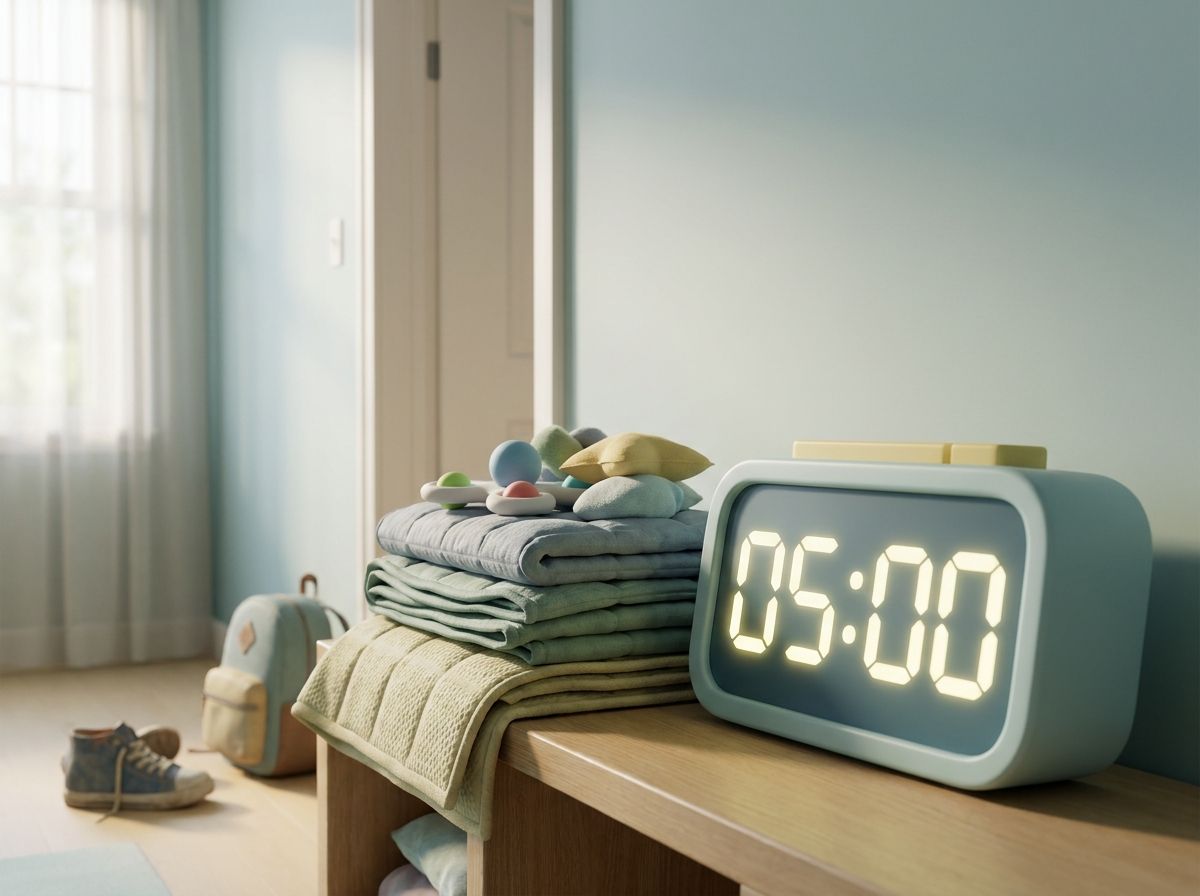
Why waiting until after the meltdown usually backfires
You might be thinking, "But once they're calm, they can learn." Sometimes they can. But often, the calmer moment becomes a different kind of battle: you're trying to re-enter learning mode after the emotional body has already spent its energy.
Here's what usually happens when you wait:
- Your child's arousal drops, but their brain is still processing the crash.
- The moment is brief. Then hunger, tiredness, and the next trigger show up.
- You add learning demands, and your child feels pressure even if you don't say a word.
For many families, this turns into a cycle. The meltdown happens, you wait, then you try to "make up" the learning time. Your child feels the demand. Another meltdown follows. Emotional regulation at home gets harder because the learning space starts to feel like the place where pressure lives.
You may also notice a timing issue with ADHD. Kids with ADHD often have a tougher time shifting from one state to another, so if you ask for planning or multi-step tasks right after a meltdown, you're asking for executive function at the hardest possible moment.
A simple rule helps: during the window, your job is to reduce load and increase predictability. After the window, your job is to rebuild skills and routines.
So instead of trying to "teach" after the meltdown, you use a smaller, regulation-first version of learning during the meltdown window. That's why Ziggyloo works best when you treat it like a support tool, not a reward.
A quick reality check
If your child is actively melting down, they are not refusing to learn. They are unable to access learning in the way you're asking for.
That difference changes everything.
How to use Ziggyloo in the meltdown window without making it worse
Start with a mindset shift. You are not trying to win the meltdown. You are trying to help your child's brain come down with less damage.
That means you make Ziggyloo the lowest-friction option in the room.
Step-by-step: your meltdown-window plan
Use this plan the moment you notice the slide starting.
1) Lower the demand
No "try harder." No "use your words." No "just do the next one." You offer one small learning activity and you keep the environment calm.
2) Keep choices tiny
Offer one path. If your child wants control, let them choose between two sensory-friendly options inside Ziggyloo. Not five apps, not a menu of tasks.
3) Use your voice like a dimmer switch
Short sentences only. Steady volume. Fewer words. You're telling the nervous system, "We're safe. We're staying here."
4) Stay with the activity until it helps
If the activity ends immediately, start another one that matches the same regulation goal. The goal is not finishing. The goal is support.
5) Stop when the window ends
When the meltdown shifts into recovery mode, you can pause learning and move to water, a snack, or a quiet reset. Then you can talk about what happened.
What Ziggyloo does for you in this moment
Because Ziggyloo adapts, you don't have to guess the exact right level while your child is activated. Sensory-friendly learning reduces the "too much input" feeling. Adaptive routines help you keep the next step predictable. Honestly, that predictability does as much work as the content itself.
With children who have autism, predictability is often a regulation superpower. With children with ADHD, the body may need movement and rhythm, but still benefits from consistent structure.
Three scenarios you can copy
Scenario 1: Elena in the car line, after a rough morningElena is in the back seat of your minivan. Her teacher sent a note about "a tough transition." At the car line, she starts kicking and yelling. You pull over for safety, put the car in park, and open Ziggyloo on the same "calm start" activity you've used before. You don't say, "Now behave." You say, "We're doing one thing together." You keep it to one short session. When her breathing slows, you pause and offer a snack.
Scenario 2: Jordan at the kitchen counter, socks and shoesJordan is melting down because the shoelaces feel impossible. You're not going to win a shoe battle while the nervous system is on fire. You set a small timer and start a sensory-friendly learning activity in Ziggyloo that matches the moment. The activity becomes the bridge from "hands are stuck" to "hands can try something again." Then you return to shoes once the window shifts.
Scenario 3: Marcus at bedtime, lights off but body not doneMarcus is 7. The day ends. The room is dark. The meltdown starts anyway, like the body is catching up. You keep the lights low, sit beside the bed, and start a short Ziggyloo activity that feels familiar. You don't negotiate. You keep the interaction quiet and consistent. When Marcus's body settles, you stop the game and move to water and a predictable wind-down.
In each scenario, Ziggyloo is used during the window, not after. It acts like a regulation scaffold.
What to do with the big feelings: regulation-first learning
A meltdown window is not only about behavior. It is about the body. The body needs help processing sensation, frustration, and change.
So you treat learning as regulation-first.
Emotional regulation at home: the parent moves
When you use Ziggyloo during the window, you also change your own actions. Not more talking. Not more instructions.
Try these moves:
- Match intensity, then reduce it. If your child is loud, you don't whisper. You speak at a similar volume for one sentence, then you lower it.
- Use fewer words. Say what you're doing, not what they should do. "We're doing this together." "Then we rest."
- Keep the room steady. Same spot. Same lighting. Same general posture from you.
These small choices help your child's brain predict what comes next. Predictability lowers stress for many kids, including those with ADHD and autism.
Sensory-friendly learning: what you look for
Pay attention to what your child does during the activity.
If they lean in, stay engaged, or ask for "one more," that's a sign the activity is meeting their sensory needs.
If they escalate, shut down, or throw the device, that is also information. It means the window is too hot for that specific type of input. Pause and try a different Ziggyloo activity that feels more sensory-friendly.
Adaptive routines: how you make it stick
Adaptive routines are not strict schedules. They are reliable patterns.
Pick two "meltdown window" routines and repeat them. For example:
- Car-line routine: open Ziggyloo, choose the same calm-start activity, do one short round.
- Bedtime routine: dim lights, sit close, one short activity, then pause for water.
Over time, your child learns that the meltdown window has a predictable support. That can shorten the meltdowns themselves and makes emotional regulation at home feel less like guesswork.
A research note you can hold lightly
You've probably heard that stress affects memory and attention. That's not vague. Child development and neuroscience research consistently shows that when stress hormones rise, working memory and attention shift. That's why learning demands during high arousal often fail. A regulation-first approach matches how the brain actually works.
Common parent mistakes (and what to do instead)
You're not doing everything wrong. You're doing what most parents do: trying to help. These are the specific traps that show up when you're trying to use learning during meltdown windows.
Mistake 1: turning Ziggyloo into a reward
If Ziggyloo only happens when your child "behaves," the device becomes another negotiation tool. During a meltdown window, you want the opposite. You want it available when the nervous system is struggling, no good behavior required.
Instead: start Ziggyloo when the slide begins, even if you haven't seen "good behavior" yet.Mistake 2: adding too many steps
"Do this, then that, then answer questions, then get your shoes on." That's a lot for any brain. For ADHD and autism, it can be too much when the nervous system is activated.
Instead: one activity. One goal: support regulation.Mistake 3: changing everything at once
If you change lighting, location, device, and activity style all in the same meltdown, you add sensory and predictability load.
Instead: keep the routine stable. Change only one variable at a time.Mistake 4: trying to teach a lesson mid-meltdown
If you bring up consequences or "what you did wrong," the brain often can't take it in. You're not wrong for wanting accountability. The timing is just off.
Instead: wait for the window to shift, then do repair and reflection.Mistake 5: stopping too early
Some meltdowns need more than a brief distraction. If you stop Ziggyloo after one minute, you may cut the regulation process short.
Instead: stay with it until the window changes. Then pause.A parent script you can actually use
When the window starts, try this:
- "I'm here."
- "We're doing one activity together."
- "Then we rest."
Short. Predictable. No extra meaning.
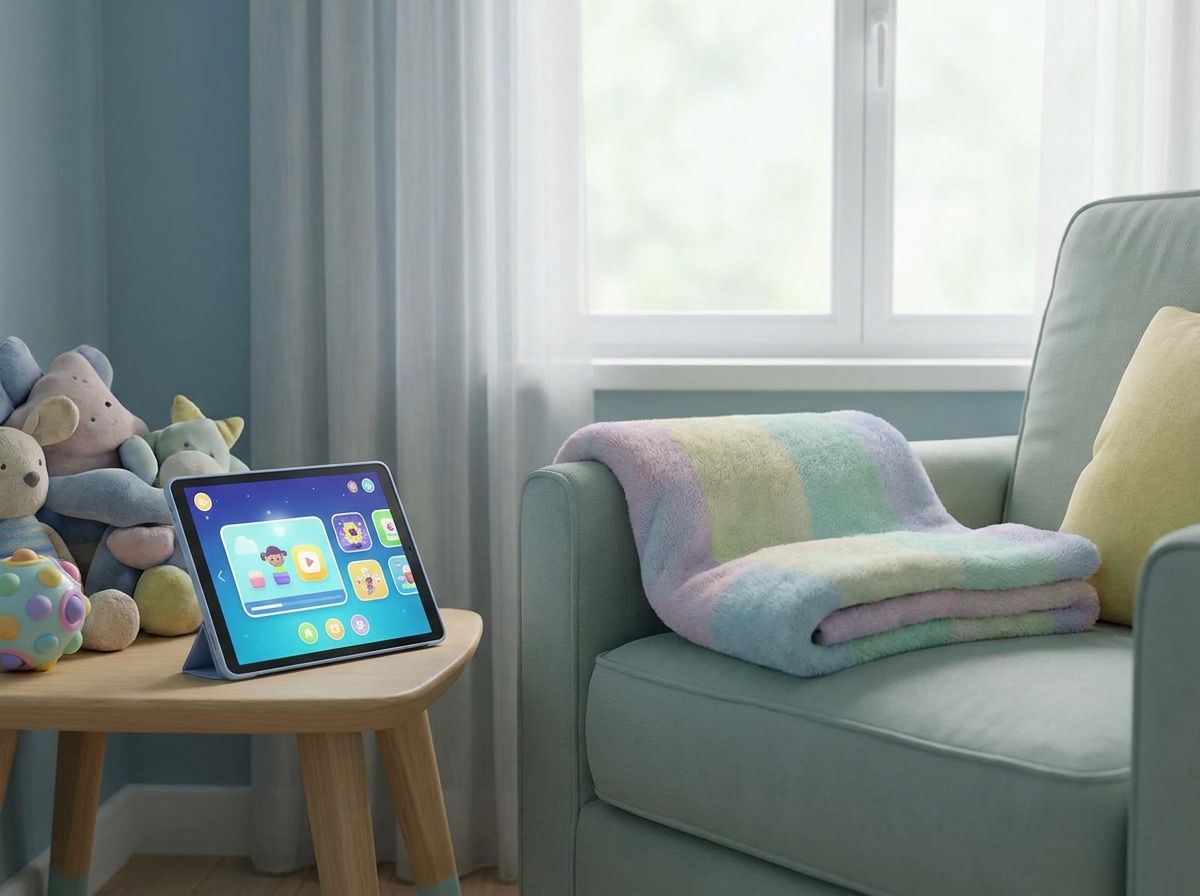
How to transition from meltdown support to normal learning
When the meltdown window ends, your child's brain can start to access more. That's when you shift from support to skill.
Think of it like this: during the window, you regulate. After the window, you teach.
The transition checklist
Use this simple sequence.
- Pause the learning activity once your child's body settles.
- Offer a sensory reset: water, snack, a blanket, a short movement break.
- Keep conversation short. One question or one statement.
- Return to normal learning goals later in the day if energy allows.
What to say after recovery
You don't need a long talk. You need repair.
Try:
- "That was a big feeling. You had a hard moment."
- "Next time, we'll do Ziggyloo earlier."
- "Your body needed help. We helped it."
This keeps emotional regulation at home focused on support, not shame.
Using what you learned to improve adaptive routines
After a few uses, you'll start to see patterns. Write down what you notice, even in one sentence:
- What time did the meltdown window start?
- What was happening right before it?
- Which Ziggyloo activity seemed to help?
- Did the meltdown shorten?
Then adjust. Not everything. Just one thing.
With ADHD and autism, small changes repeated over time can make a real difference. You're building a predictable path through hard moments.
Where Ziggyloo fits long-term
Ziggyloo is not only for meltdown windows. It also supports learning during calmer times. But the core idea here is timing: you use the tool in the meltdown window so the nervous system learns that support is available.
That changes the relationship between learning and big feelings.
FAQ
Why does my child get worse when I suggest learning during a meltdown?
It usually means the learning demand is too high for the nervous system at that moment. Some kids need more sensory support and less cognitive work when arousal is high. Use Ziggyloo during the window with tiny, predictable activities, and keep instructions short.
Should I use Ziggyloo during every meltdown or only the worst ones?
Use it when the slide starts, not only after things are at their peak. Many families see better results when they intervene earlier in the window. If a child escalates with a specific activity, switch to a different sensory-friendly option.
How do I know the meltdown window is ending?
Watch for body shifts: slower breathing, less throwing or pacing, and more ability to stay near you. You may also hear fewer words that escalate in volume. When the body settles, pause the activity and move to a short reset.
Will this work for ADHD and autism specifically?
It can, because the approach targets regulation first and reduces cognitive load during activation. Children with ADHD may need predictable structure and fewer steps. Children with autism may benefit from sensory-friendly learning and consistent routines.
What if my child tries to throw the device?
Treat that as a signal, not a failure. Pause, move the device somewhere safe, and choose a lower-input support for that moment. Then try again later in the day, using the same calm routine so your child learns predictability.
Next step you can do today
Pick one moment in your day when meltdowns tend to show up, like car line or bedtime. Then choose one Ziggyloo activity that feels easiest for your child and use it when the slide starts, not after recovery.
Do one short round. Keep your words short. Stop when the window shifts. Tomorrow, repeat the same routine with the same structure.
That repeat is how emotional regulation at home starts to feel safer, and how adaptive learning becomes part of your meltdown support plan.
Join the conversation
Subscribe to comment
Join the Ziggyloo family newsletter to leave a comment — and get gentle learning tips and community stories in your inbox. No spam, unsubscribe anytime.