
Biome Adventures: how to choose a learning biome that matches your child’s energy level
Your calendar can be loud. Your child’s energy level is louder. Learn how to choose a learning biome that fits the moment.
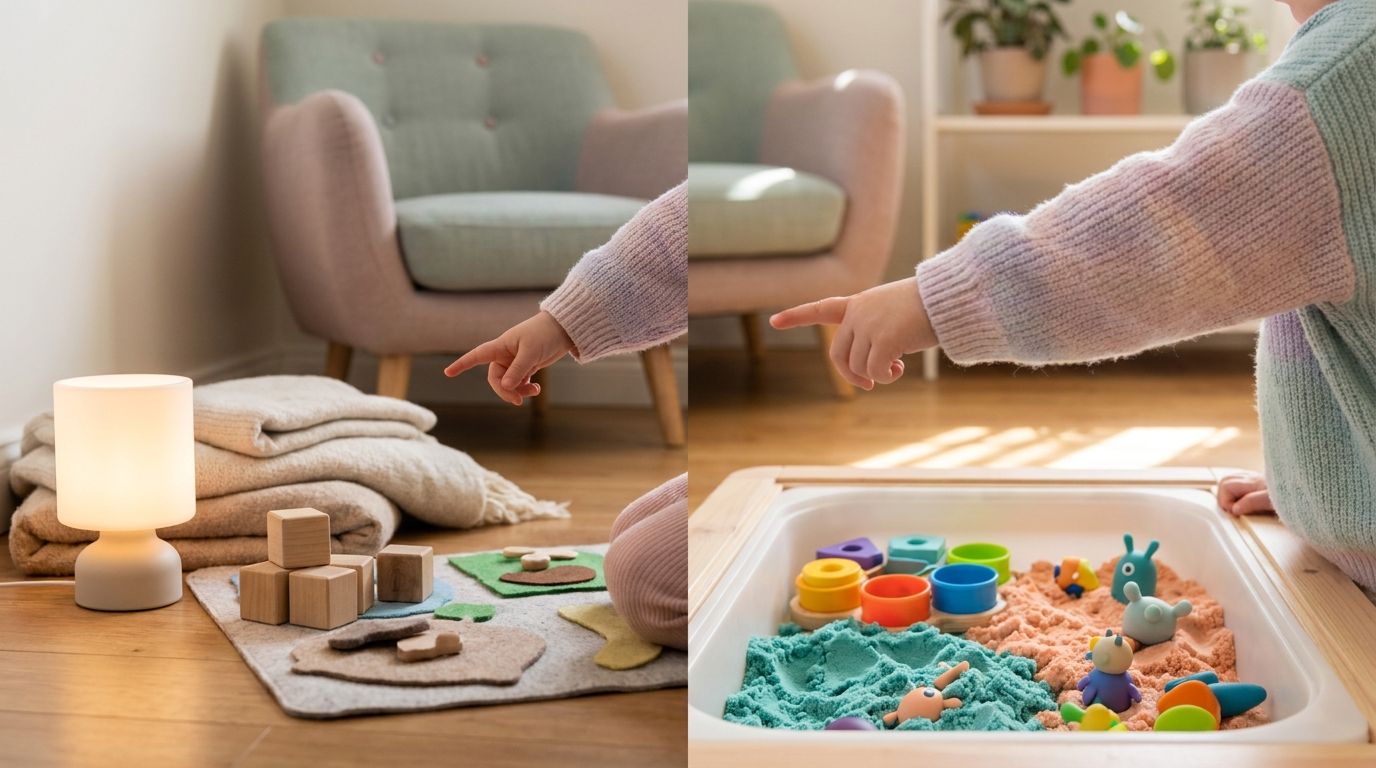
You're standing in the kitchen when the toast pops and your child is already climbing the chair like it's a jungle gym. The plan was "20 minutes of learning after breakfast." Instead, you watch their hands and feet not stop moving, and you feel that familiar tug of guilt. Like you're doing it wrong.
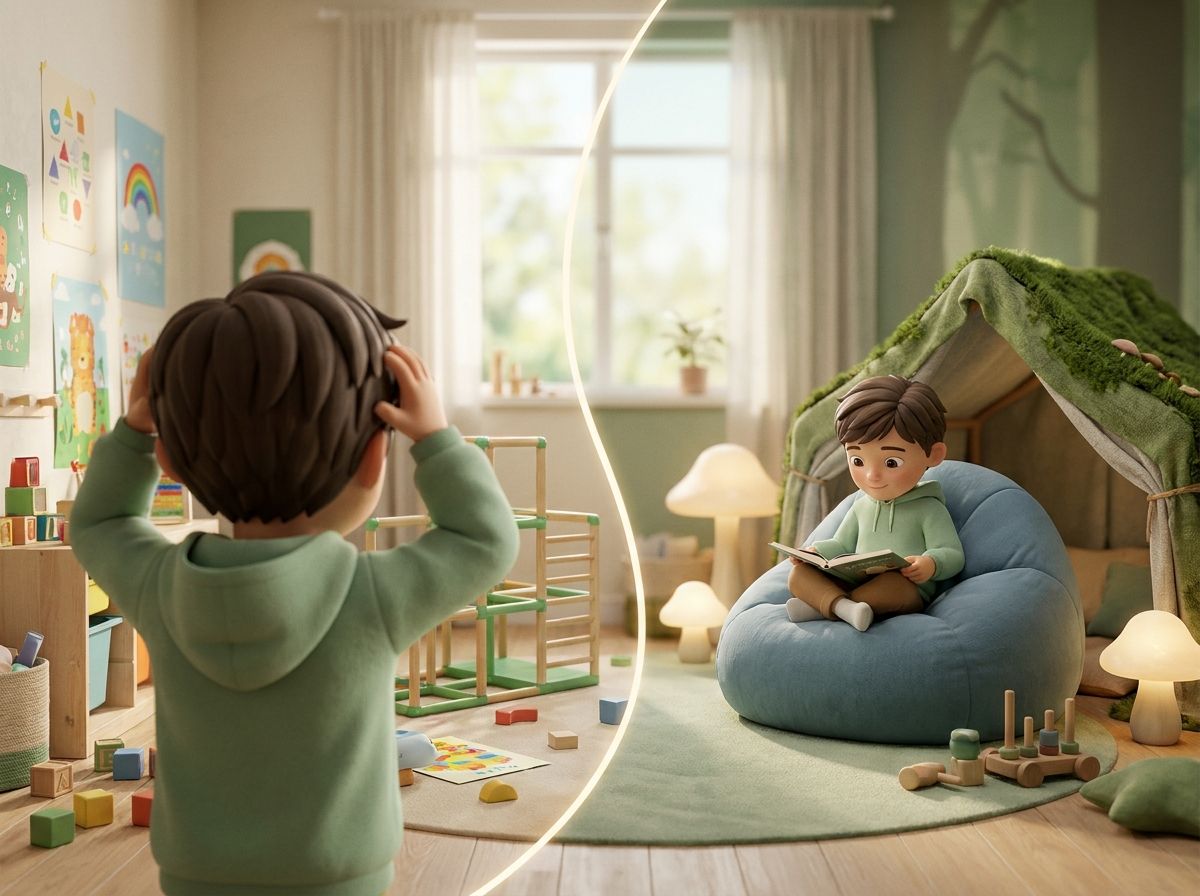
Then you change the plan without making it a big deal. You pick a different "place" for learning. Not a different task. A different learning biome.
With Ziggyloo's adaptive learning system, choosing a learning biome is how you match the environment to your child's sensory needs and energy level, so the session feels doable instead of draining.
It sounds simple. It is simple. But it's also the kind of simple that takes practice, because your brain still wants to follow the calendar.
The answer block: use the right biome for your child's current energy level
Pick a learning biome based on what your child's body is asking for right now, not what time it is. When the environment matches their energy level and sensory needs, learning feels safer, and resistance often shrinks.
The rest of this guide is you practicing that choice with a few easy "signals to look for" and some quick biome matches you can try tomorrow.
Start with energy signals, not the clock
Your child's energy level is not a personality trait. It's a moving target. Some days it's steady, some days it's a full-on roller coaster before 8 AM.
So instead of asking, "What should we do at 9:30?" try asking, "What can their nervous system actually handle right now?" That question helps you stop treating restlessness like misbehavior.
Here are signs that your child needs a different adaptive learning environment.
Quick signals you can scan in 10 seconds
- They move a lot, touch everything, and interrupt often. Their body is asking for motion.
- They stare, go quiet, or seem "far away." Their body is asking for less input.
- They get cranky when you change activities. Their body is asking for predictability.
- They push back hard on tiny steps. Their body is asking for a smaller start.
None of these signs mean your child is "too much." They mean the environment is not matching the moment.
And yes, sometimes you'll choose wrong. You'll see it fast. They'll melt down, shut down, or get silly in a way that looks like avoidance. That's data. Not failure.
A parent guide mindset shift
When you choose a biome, you are choosing the conditions for success.
That means you can be flexible without being chaotic. You are not changing everything. You are changing one thing: the "place" where learning happens.
Choose a learning biome like you're tuning an instrument
Think of a biome as a set of sensory and attention rules. Some biomes feel like they invite focus with structure. Some invite movement. Some feel cozy and low-demand.
You don't need to memorize a chart. You need a repeatable way to decide.
So try this parent guide routine. It takes less time than making a snack.
Your 3-step "biome switch" decision
1. Name the energy level out loud in one sentence. Example: "Your body needs movement today."
2. Pick the biome that matches that energy level. Example: "So we're doing a moving-friendly learning biome."
3. Keep the learning goal the same, but change the environment. Example: "We still practice letters, just in a different place."
This is how you stop the session from turning into a debate.
And if your child asks why, you can keep it simple. "Your body is telling me what it needs." That's true, and it doesn't blame anyone.
Match biomes to sensory needs and energy level
Every neurodiverse kid has sensory needs that show up differently. Some kids need quiet. Some need pressure. Some need rhythm. Some need space.
The trick is matching the sensory needs to the energy level, not matching the learning to your calendar.
Below are practical "if this, then that" matches you can use as a starting point.
When energy is high: choose a biome that can hold motion
If your child is bouncing off the walls, a sit-still setup can feel like punishment, even when you don't mean it that way.
Try a biome that supports movement and hands-on exploration. You want them to feel like their energy has a job.
Practical things you can do in the room, too:
- Give a "movement job" at the start. Example: "You press the button to start, then we do the first activity."
- Use a timer that doesn't require you to negotiate. Example: "When the sand timer ends, we do one last thing."
- Keep instructions short. One step at a time.
With a good energy match, you often see a surprising shift. The same kid who couldn't sit for two minutes can stick with a task long enough to finish.
And that's the point. You are buying attention with the right environment.
When energy is low: choose a biome that lowers input
If your child is sluggish, distracted, or shutting down, a high-stimulation setup can make everything feel harder. A lot harder.
In that case, choose a calmer learning biome. Aim for less sensory noise and fewer surprises.
Practical things you can do:
- Reduce background talk. If you're explaining a lot, pause and let the activity lead.
- Offer a "soft landing" start. Example: "We do the easiest one first. Then we decide if we want another."
- Keep the session short but real. A short success is better than a long struggle.
This is where you protect their brain. Not with perfection. With kindness.
When energy is spiky: choose a biome that supports transitions
Some days your child starts strong and then flips. Maybe it's after school. Maybe it's after dinner. Maybe it's right when you switch from one thing to another and their whole body seems to short-circuit.
That's not a character flaw. It's a transition load.
Try a biome that feels predictable and structured. You want the rules to be steady so their body doesn't have to work as hard guessing what's coming next.
Practical things you can do:
- Tell them what will happen in one sentence. "We do one activity, then we stop."
- Use the same start phrase every time. Your voice becomes a cue.
- If they resist, switch biome instead of switching into a lecture.
If you've ever said, "Why are you doing this now?" you already know transitions can hit like a wave.
When focus is wandering: choose a biome that gives the brain something to grab
Sometimes the child is not "refusing." Their attention is simply looking for something to do.
In that case, choose a learning biome that makes focusing easier. Think: cleaner work space, fewer distractions, and activities that have a clear beginning and end.
A small tweak helps a lot:
- Start with a quick win activity.
- Then move to the slightly harder one.
- If they start to drift, switch biome again rather than forcing the same style.
This is how you build energy level learning in a way that respects how their brain works.
Community stories: what "matching the biome" looked like in real homes
I asked a few Ziggyloo parents in our community what changed for them once they stopped treating learning like a fixed time slot.
Here are the patterns that came up again and again.
Story 1: the car-seat meltdown that turned into a calm routine
One parent told me they tried "learning in the car" after a long day. It was chaos. Their child got louder, then quieter, then angry. The parent felt like they were failing.
Then they stopped trying to make the car the learning environment.
They moved learning to a calmer biome and used car time for movement and sensory input only. After a week, the meltdowns got less frequent because the child started predicting what each place meant.
Story 2: the "too hyped to read" morning
Another parent said their child was always too energetic for reading right after breakfast.
They didn't force it.
They chose a moving-friendly learning biome first. After that, reading felt possible. Not because the child suddenly became calm, but because the environment helped their body burn off the extra energy in a way that still supported learning.
Story 3: the "I can't" spiral that improved with a smaller start
A parent shared that their child would say "I can't" the second an activity felt hard.
They kept the same goal, but changed the biome to one that made the first step easier and more predictable.
That small match meant the child could start without getting trapped in shame. Once they started, the rest followed.
And honestly, this is one of the biggest community lessons. You can change the conditions without changing the child.
Use Ziggyloo to practice adaptive learning environment choices
You do not need a perfect system. You need a repeatable one.
So here's a simple way to use Ziggyloo alongside your biome adventures.
Try this parent guide logging trick (no spreadsheets)
After each session, write one sentence in your notes app:
- "Today was high energy, and the moving biome worked."
- "Today was low energy, and a calmer biome helped us finish."
- "Transitions were hard, and structure helped."
After a week, you'll start seeing patterns. Your child will teach you. (This is the part nobody warns you about. It's also the best part.)
Then you can stop guessing. You'll still adjust, because kids change. But you'll adjust with confidence.
And when you get it wrong, you'll have a story you can use next time.
With Ziggyloo's adaptive learning system, the goal is not to make your home match a school schedule. The goal is to build an adaptive learning environment that matches your child's energy level learning needs.
What if you can't tell the energy level? Do this instead
Sometimes you feel stuck. You don't know if your child needs movement or quiet. You just know it's not working.
That's when you do a "mini experiment."
The 5-minute experiment
- Choose one learning biome for 5 minutes.
- Watch for signs: frustration, shutting down, or calm engagement.
- If it's not working, switch biomes and try again for 5 minutes.
You're not failing. You're learning.
And your child learns too. They learn that you respond to them. Not just to the plan.
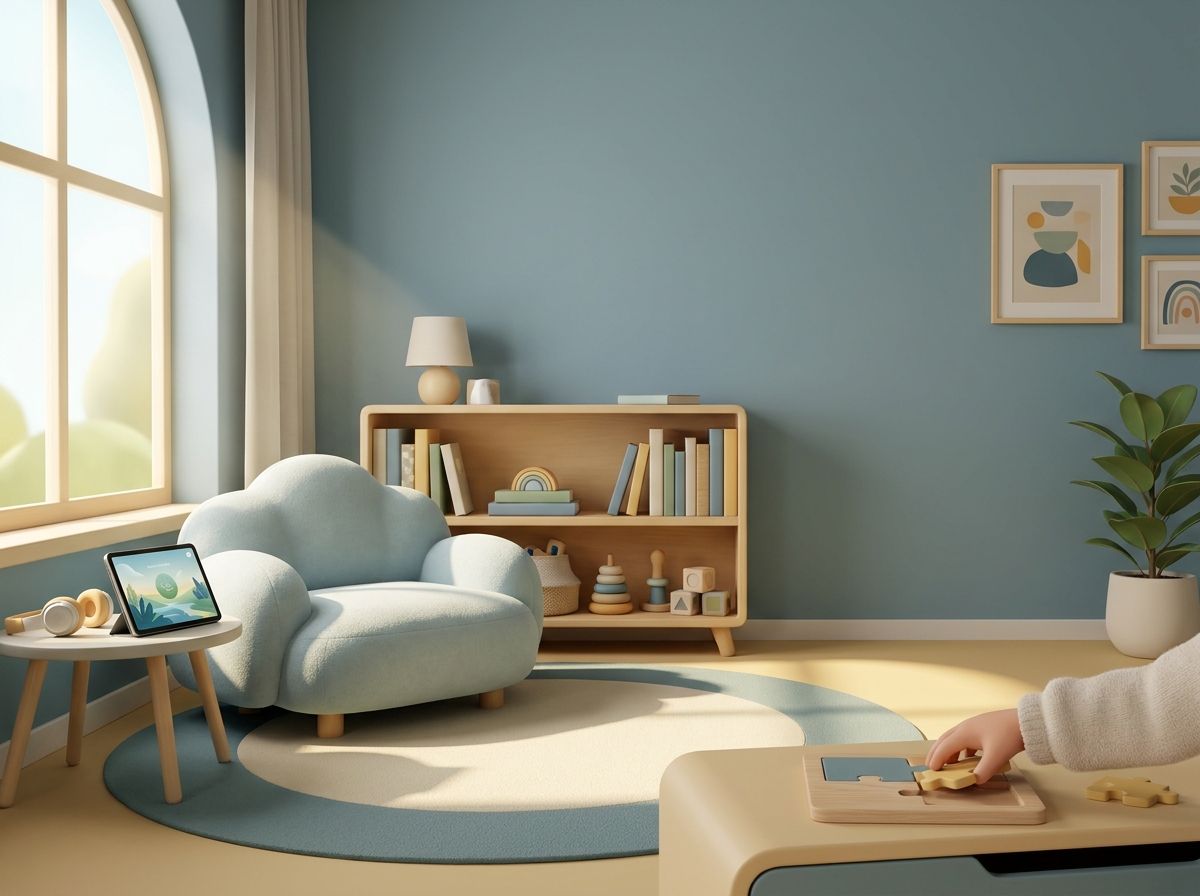
That safety matters. It changes how hard your child has to work.
Why this helps neurodiverse kids (and you)
When you match the biome to sensory needs, you reduce the extra work your child is doing.
They don't have to fight the environment on top of the task.
You also get something important back. You're not waiting for your child to magically "behave." You're choosing the right conditions, and then you're watching what actually happens.
And yes, it can feel emotional. Because you might realize you've been trying to fit a square peg into a round schedule.
If that hits you, please know this: you're allowed to change your approach.
You're allowed to grieve the "typical" experience you thought you'd get.
And you're allowed to love the one you have, while still pushing for better.
FAQ
How do I choose a learning biome if my child's energy changes mid-session?
Switch the biome instead of switching the expectations. If you notice frustration building or attention shrinking, treat that as a signal that the environment is no longer matching their sensory needs.
A quick 5-minute switch is often enough to reset the tone.
What if my family expects us to learn at a set time?
You can keep the time slot without keeping the same environment. If people ask, you can say, "We learn in a way that matches their body today." Most families stop arguing once they see the sessions get smoother.
Does choosing the right biome mean my child is "getting away with" things?
No. It means you are meeting sensory needs so learning can happen. You still set a goal and you still end the session when it's time, but you stop turning the environment into a battle.
My child refuses every biome at certain times. What do I do then?
That's a sign the moment is too big for learning. Try a sensory reset first and keep the next learning attempt short. If it keeps happening, look for patterns like sleep, hunger, or transition stress.
Closing: you're not behind, you're tuning
The kitchen toast pops again. Your child tries to climb the chair again. But now you pause and take a breath.
You don't force the same plan into the same place. You choose a different learning biome that matches their energy level.
That is not giving up. That is adapting.
And if you've been carrying guilt, I want you to put it down for a minute. You're doing the work. You're paying attention. You're learning what your child needs, and you're letting the environment help.
Pick one small change for tomorrow. Watch the energy. Choose the biome. Give your child a fair shot at learning.
Join the conversation
Subscribe to comment
Join the Ziggyloo family newsletter to leave a comment — and get gentle learning tips and community stories in your inbox. No spam, unsubscribe anytime.