
Character spotlight: Chirp and turn taking activities for neurodivergent children
Turn taking can feel tense when waiting feels unsafe. Discover gentle, neurodiversity-affirming ways to practise shared play at home with Chirp.
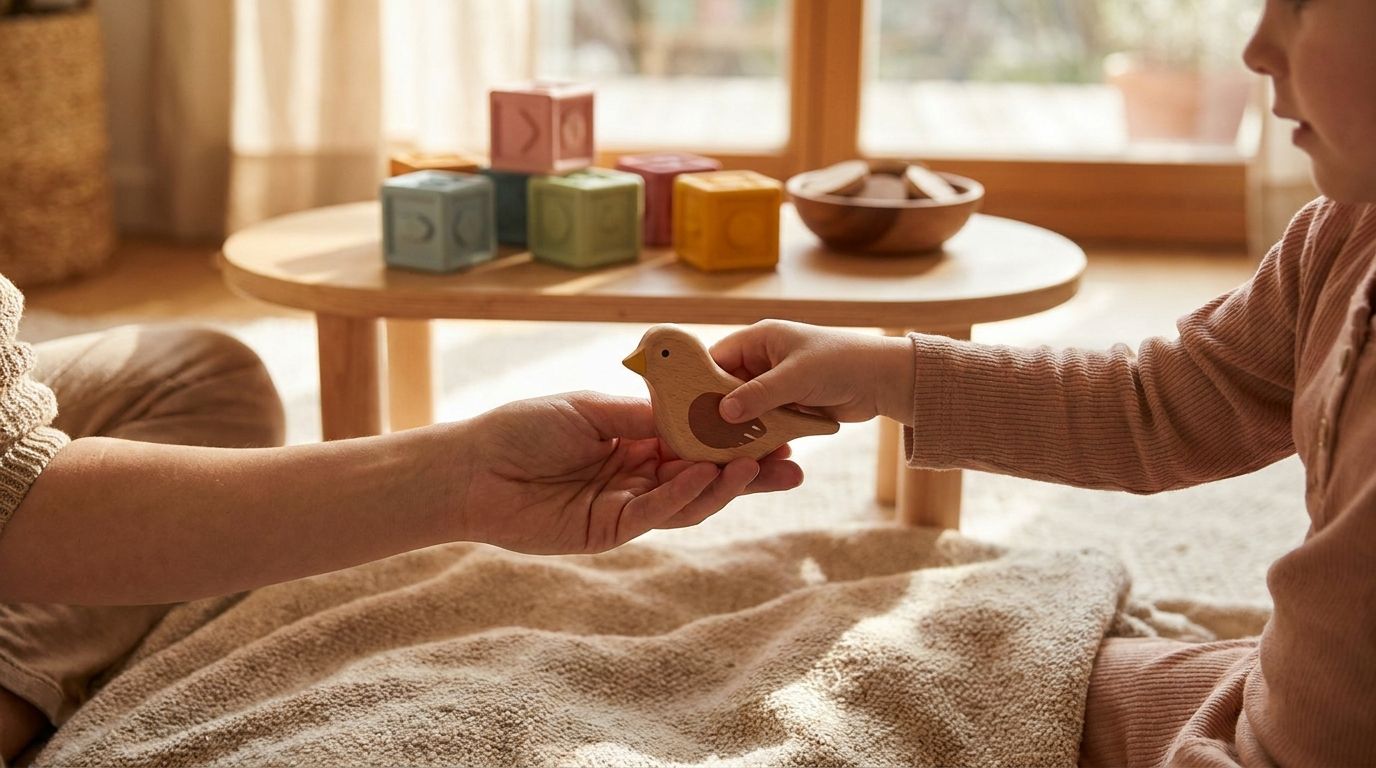
At 5:42 p.m., Priya put the blue train on the rug and reached for the red one. Eli grabbed it first, shouted "Mine," and pushed the train under the sofa. Dinner was already cooling. Priya was holding a wooden train in one hand and her remaining patience in the other.
Turn taking activities for neurodivergent children work best when they make waiting predictable, brief, and safe. Your child does not need to share on command to build social skills. You can practise shared play through tiny, low-pressure moments that respect communication, sensory needs, and the right to say no.
That evening, Priya stopped trying to make Eli "take turns." She brought out two trains, used a simple "my turn, your turn" phrase, and let Eli choose whether to join. The whole activity lasted about ninety seconds. Not a magical parenting win. The sofa still had the train. But nobody had to recover from a battle.
Why turn taking can feel unsafe
For some children, another person touching a favorite toy feels like a sudden loss. A pause can feel endless when a child has a different sense of time, intense interest, trouble shifting attention, or a nervous system already running hot. "Wait" is a tiny word with a surprisingly large backpack.
This is why social skills activities for autistic children should not begin with forced eye contact, forced sharing, or praise for tolerating distress. A child can learn shared play while looking away, moving their body, using a communication device, repeating a phrase, or staying close without joining every round.
Turn taking also asks for several skills at once:
- noticing what another person is doing
- remembering that the preferred item will come back
- shifting attention from a strong interest
- handling a short delay
- communicating "my turn," "stop," or "all done"
That is a lot to ask during a noisy afternoon. If your child grabs, runs, cries, or says no, the behavior is giving you information. It may mean the turn is too long, the materials are too tempting, or the activity needs a quieter setup.
A neurodiversity-affirming approach does not treat the goal as making a child look socially typical. The goal is shared enjoyment, clear communication, and enough safety for both people to participate.
What does turn taking teach?
Turn taking teaches children that shared activities can have a reliable rhythm. It also gives children practice with communication, waiting, flexibility, and repair after a small disagreement. These skills grow more easily when the activity stays enjoyable and the child has a real way to pause.
Think of turn taking as a conversation made with actions. Your child pushes a car. You push a car. Your child passes a block. You build beside them. Talking is not required for the exchange to count.
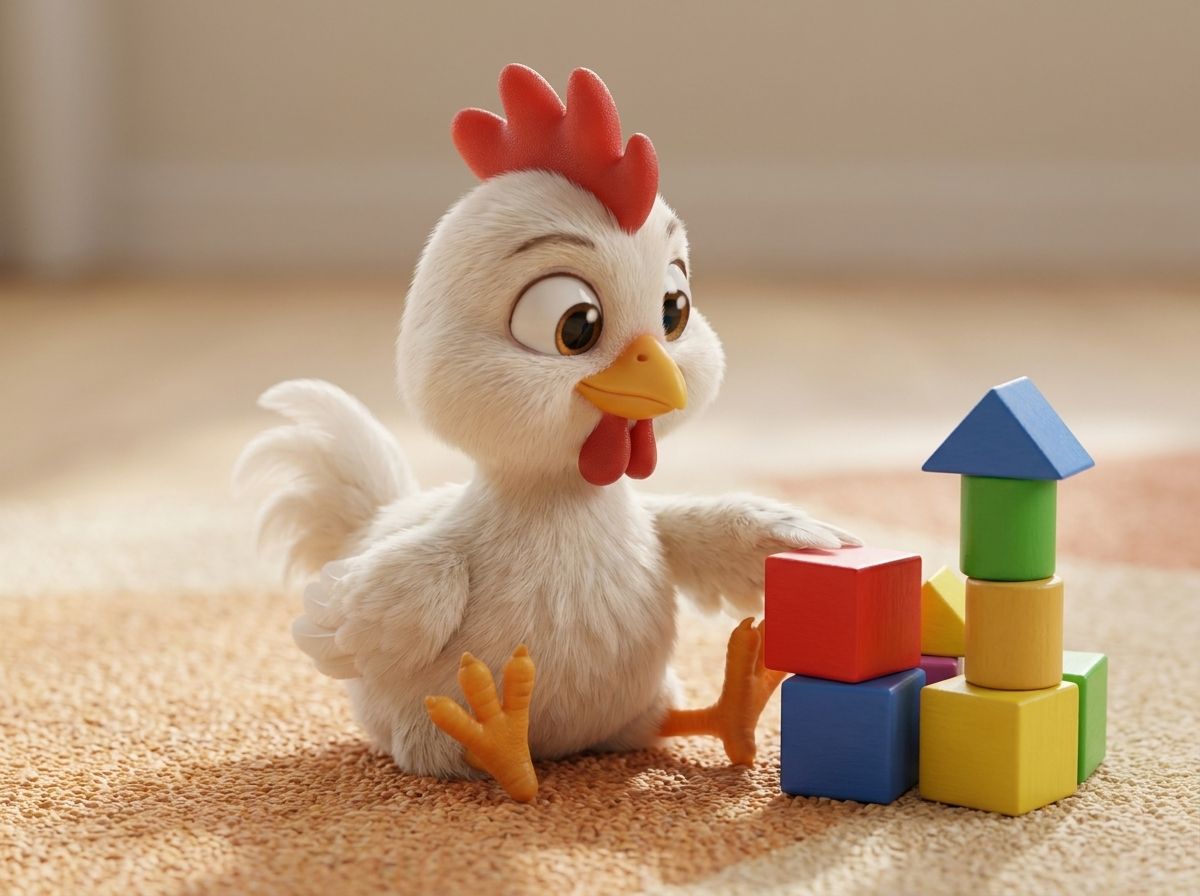
Meet Chirp: a gentle guide for shared play
Chirp is useful here because teamwork does not have to mean everybody doing the same thing. When you bring Chirp into a story, game, or conversation, you can frame a turn as an invitation rather than a test.
Chirp can help you say, "You can watch this round," or "You can choose when I stop." Those words give your child information and control. Control matters when waiting has often meant losing access to something important.
The first goal is not a long game. Start with one exchange. You roll a ball once. Your child rolls it back, watches, or moves away. Each response gives you a clue about what feels manageable today.
Try this simple rhythm:
- name whose turn it is
- keep the turn short
- show when the turn will end
- offer a clear way to pause
For example, you might say, "My turn. One roll. Your turn, or watch." Then you roll the ball once and stop. If your child reaches for it, you pass it over. If your child walks away, you let the round finish without following them with the ball.
That last part can feel strange. Many of us were taught that participation means staying until the activity ends. But for a neurodivergent child, leaving can be useful communication. You can keep the door open without pulling them back through it.
Turn taking activities for neurodivergent children at home
Learning to take turns at home does not require a special kit. Your kitchen, hallway, and laundry basket already contain enough material for several gentle experiments. Choose something your child already enjoys, then change only one part of the activity.
The one-piece build
Use blocks, magnetic tiles, paper shapes, or clean food containers. You place one piece. Your child places one piece. The structure can be tiny and uneven. In fact, a lopsided tower may be doing excellent social work.
Keep the exchange visible by placing the pieces in two small piles. You can point to your pile and your child's pile rather than repeating instructions. If your child wants all the pieces, give them a separate pile and build beside them. Side-by-side play still offers shared time without taking control of their project.
The pause-and-go game
Choose a movement your child likes, such as pushing a cushion across the floor, jumping onto a mat, or rolling a large ball. You take one short turn, then pause. Your child signals "go" through words, a gesture, a sound, or moving toward the activity.
Use the same words each time: "Go," "stop," and "again." A 2022 review of play-based interventions found that predictable, repeated routines can support social communication when adults follow the child's interests. You do not need to turn the routine into a lesson. Repetition is the lesson.
The shared song or sound
Take turns making a sound with a shaker, drum, spoon, or your hands. Your child can choose silence, humming, tapping, or listening. Keep the sound gentle if noise is hard to manage, and stop before the activity becomes too much.
You might sing one short line, then leave a quiet space. Your child can fill the space or ask you to continue. This works well for children who prefer sound to conversation, because the exchange has a clear shape without requiring a spoken answer.
The snack pass
At snack time, pass safe, familiar pieces between two plates. You can say, "Pass to me," then "Pass back," but your child does not have to hand over food they are eating. Use separate portions if sharing food feels stressful.
This is practice in passing, not a lesson in generosity. Food stays your child's choice. If the activity creates tension, go back to passing a napkin, spoon, or toy instead.
The story pause
During a familiar story, pause before a repeated phrase or action. Your child may finish the phrase, point to the picture, turn the page, make a sound, or do nothing. All of these can be part of the turn.
If you use Ziggyloo's story library, you can pause during a read-along and let your child decide whether to continue, repeat a page, or take a break. That keeps the shared activity connected to their interests instead of asking them to perform on demand.
Make waiting shorter, clearer, and kinder
Waiting is not one single skill. A child might wait comfortably for a snack but fall apart the moment someone touches a favorite dinosaur. Another child might take turns during a chase game but find a board game impossible. Context matters enormously.
Before starting, check the conditions around the activity. You can ask yourself:
- Is my child hungry, tired, overstimulated, or coming home from school?
- Can my child see when the turn ends?
- Does my child have access to a "no," "stop," or "all done" signal?
- Am I asking for a shared turn with a toy that feels especially precious?
- Would parallel play work better today?
Then adjust one thing. Make your turn shorter. Use a timer your child can see, if timers feel helpful. Put two identical materials on the floor. Sit farther away. Lower your voice. Remove the audience, including the well-meaning sibling who has suddenly become an unpaid referee.
Visual support can help because spoken language disappears quickly. You can use two cards, drawings, or objects to represent "my turn" and "your turn." Move the object when the turn changes. Do not expect your child to study the card perfectly, the visual is there to support the moment, not create another task.
Try language that describes rather than demands:
- "I am using the red car. Then it comes back."
- "You can watch or have a turn."
- "Your turn is one push."
- "You said stop. I stopped."
- "We can try again later."
That last phrase matters. A pause is not failure. It is information.
What if my child refuses to take turns?
If your child refuses, stop the turn-taking demand and protect the relationship. You can play nearby, offer two separate materials, or return to the activity another day when the setup feels easier.
A refusal may be a clear boundary, not a missing social skill. If your child regularly becomes distressed around shared play, look at the length of the wait, the sensory environment, the objects involved, and whether your child has a reliable way to communicate "not now."
You can still model a turn without requiring your child to copy you. "I am putting the block here. I am finished." Then leave space. That small demonstration can be enough for today.
When turn taking goes sideways
Even a carefully planned game can fall apart. The ball rolls under the table. A sibling grabs the favorite piece. Your child screams because your turn lasted one second too long. This is not proof that the activity was wrong or that you failed some test of parenthood. It is Tuesday.
When the moment starts to wobble, reduce your language. Move the materials out of reach if needed. Offer space before explaining what happened. A child who is overwhelmed cannot absorb the social lesson you prepared so lovingly at 4:00 p.m. (I know. I know.)
You can repair with a short script:
- "That was too much."
- "I moved the toy. You are safe."
- "No more turns right now."
- "We can play beside each other."
Later, you can notice what helped. Maybe your child managed one turn after a movement break. Maybe the activity worked better with no timer. Maybe your child wanted to be the person who started every round. Those details are useful. They show you how to make the next attempt kinder.
Parent-visible transcripts in Ziggyloo's AI learning companion can help you notice patterns in the language and topics your child returns to during learning. You can use those observations to choose familiar interests for practice, while keeping home play separate from performance. A transcript is information, not a report card.
The same idea applies to the Learning Trail. If a task about cooperation feels too demanding, you can return to a simpler activity and build from there. Progress does not need to move in a straight line to be real.
A small plan for this week
Choose one activity your child already enjoys. Set a two-minute limit, or stop sooner. Use one consistent phrase for the turn and one consistent phrase for stopping.
Then notice only three things: what your child chose, what made waiting easier, and what helped everyone recover. You do not need to record a score. A mental note while washing the same cup for the fourth time is enough.
You can also invite another adult to follow the same approach. Ask them to keep turns short, accept watching as participation, and honour "stop" without turning it into a negotiation. Consistency helps, but perfection is not required. Your child can experience different adults and still learn that shared play is flexible.
The most useful turn-taking activity may be the one that ends while things are still going well. Stop after a successful pass, a shared laugh, or even a calm minute beside each other. Leave your child with the feeling that play can come back later.
That is what Chirp offers in this story: not a lesson in behaving correctly, but a softer way into being together. If turn taking has been hard in your home, you are not behind. You are learning the shape of your child's yes, no, not yet, and try again. Those are meaningful forms of communication too.
FAQ
What are good turn taking activities for neurodivergent children?
Short activities with a clear beginning and ending often work well. Try rolling a ball, adding one building piece at a time, pausing during a familiar song, passing a safe object, or taking turns with a movement your child enjoys. Let your child watch or leave instead of requiring participation.
How can I teach my autistic child to wait without causing distress?
Start with a very short wait and show exactly when the activity will continue. Use simple words, a visual cue, or a "one more, then your turn" routine. If your child becomes distressed, shorten the wait, remove the demand, and practise again another day.
Does parallel play count as social skills practice?
Yes. Playing beside someone can build comfort with shared space, shared attention, and predictable routines without demanding direct interaction. You can model an action nearby and leave room for your child to join, copy, watch, or keep doing their own activity.
What should I do if my child grabs every toy during a shared game?
Protect access to the toy and reduce the pressure to share. Offer duplicate materials, use separate piles, or switch to an activity where each person has their own item. You can model passing and stopping, but grabbing is a signal to adjust the setup rather than a reason to shame your child.
Join the conversation
Subscribe to comment
Join the Ziggyloo family newsletter to leave a comment — and get gentle learning tips and community stories in your inbox. No spam, unsubscribe anytime.