
Crafting community: how shared experiences can strengthen bonds
Discover how shared parenting experiences can foster a supportive community for families with neurodiverse children, enriching connections and understanding.
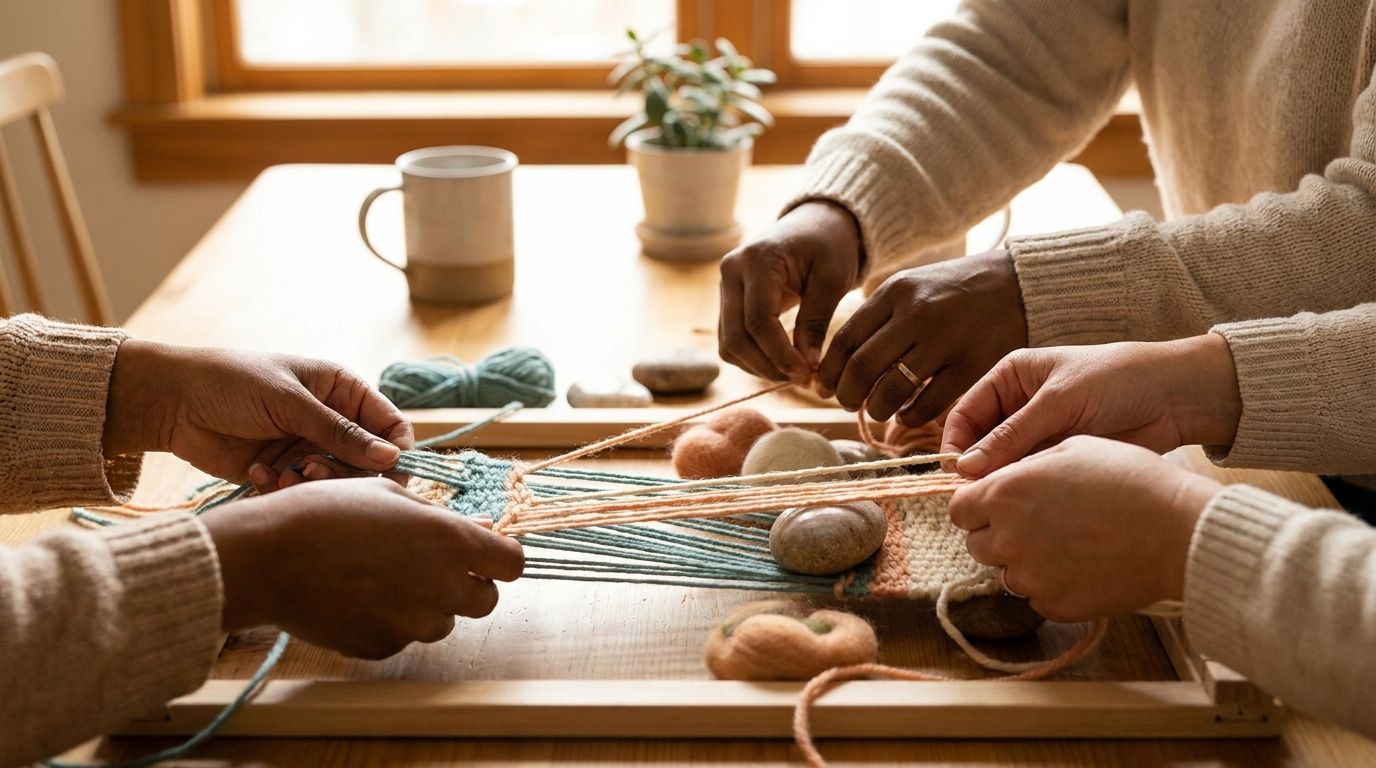
You're sitting in a bustling coffee shop, the smell of a fresh pot in the air. You glance over at a nearby table where a group of parents are swapping stories over steaming mugs. Laughter breaks out when one mom recounts a particularly wild afternoon with her neurodiverse kid. And in that moment, something clicks. You realize how much you need this, people who get it, people who live it too. Building community isn't a nice-to-have for parents of neurodiverse children. It's genuinely essential, for support, for friendship, and for the simple relief of feeling understood.
The importance of community for neurodiverse families
Many parents of neurodiverse children feel profoundly alone. A 2022 study by the National Center for Learning Disabilities found that 60% of parents felt they lacked a support network. That number is staggering, but it also explains so much. When you find people who understand your specific journey, not just the broad strokes but the sensory meltdown at Target, the IEP meeting that left you in tears, you gain something that's hard to put a name to. Belonging, maybe. Or just relief.
Take Jessica. After her son was diagnosed with ADHD, she felt completely lost. She joined a local support group at the community center in Maplewood, and each meeting became a place where she could say the hard things out loud. Through other parents' stories, she picked up concrete strategies she'd never found in any book, things like visual schedules and break cards. Those connections changed everything for her. She also made some of her closest friends there, which honestly, nobody warns you is a side effect of a good support group.
Ways to build community
Building a community takes real effort. But it's worth it, and you don't have to start big. Here are some practical ways to find your people:
- Join local groups: Look for parenting groups in your area focused on neurodiversity. Platforms like Meetup and Facebook often list local events designed specifically for families like yours. A group like "Neurodiverse Families Unite" in your city might host monthly in-person gatherings.
- Attend workshops and classes: Activities designed for neurodiverse children are a natural place to meet other parents. Libraries and community centers run these regularly. Your local library might host a "Sensory Play Day," for instance, where the conversation flows as naturally as the kinetic sand.
- Start your own group: Can't find one that fits? Start it. A casual gathering at your home or a nearby park, built around sharing experiences and resources, can grow into something meaningful faster than you'd expect.
- Use social media thoughtfully: Online spaces can be genuinely supportive. Groups like "ADHD Moms Support Network" on Facebook have thousands of members sharing the daily reality of neurodiverse parenting. Dip in, ask questions, share wins.
- Organize playdates: Informal, low-pressure, and good for your kid too. A weekend picnic at the park with a few families from school is a surprisingly solid way to build real friendships.
- Show up to community events: Local fairs, school functions, the annual "Family Fun Fest" your town puts on every spring. These relaxed settings make it easier to start a conversation without any agenda.
The role of shared experiences
Shared experiences are the actual glue. When you get to say "that happened to us too," something loosens in your chest. The frustration feels less like a personal failing, and the joy feels more worth celebrating.
Mark and his wife know this firsthand. They were struggling to figure out their daughter's sensory sensitivities when they attended a gathering hosted by the "Support Network for Neurodiverse Families." There they met another family navigating almost identical challenges. They swapped practical tips, noise-canceling headphones, a calming corner set up in the bedroom with fairy lights and a weighted blanket. Their kids became friends. And that shared journey made all four of them feel less like they were swimming against the current.
Creating a safe space for dialogue
A community is only as good as the safety people feel inside it. Open, honest conversation needs the right conditions to grow. A few things that help:
- Listen actively: Real listening means putting your own response on pause. When someone shares something hard, let them feel genuinely heard before jumping to solutions.
- Avoid judgment: Every family's challenges look different. Share your experiences freely, but resist the urge to compare or critique.
- Celebrate victories: Especially the small ones. Actually, especially the small ones.
At one group meeting, a mom shared that her son, who had been paralyzed by anxiety for months, had just performed in his school play. The whole room erupted. That kind of moment lifts everyone, not just the parent sharing it.
Utilizing technology for connection
Technology makes community possible even when life makes in-person gatherings hard. A few tools worth knowing:
- Video calls: Zoom and Skype can keep a group connected even when someone moves away, gets slammed at work, or is just having one of those weeks where leaving the house isn't happening.
- Forums and chat groups: Reddit has specific communities for neurodiverse parenting where parents ask real questions and get real answers at midnight when nobody else is awake.
- Resource sharing: Drop a helpful article or podcast into your group chat and watch a whole conversation spark. If you found something that shifted your thinking, pass it along.
The impact of community on your child
Your child benefits too. When you're connected to other families, your kid gets to spend time with peers who might share their experiences. That kind of belonging does something for a child's confidence that's hard to manufacture any other way.
Lisa found a local art class for her son, who loves to paint. He met other kids there who also had their own unique ways of moving through the world. The friendships he built helped him socially, but more than that, they helped him feel like himself was enough. The kids worked on collaborative projects together, learning to communicate and cooperate in the process.
Recognizing the signs of a supportive community
Not every group will be the right fit, and that's okay. Here's what a genuinely supportive community tends to look like:
- Open communication: Parents feel safe sharing honestly and asking for help without embarrassment.
- Inclusivity: The group welcomes all families, whatever their specific challenges look like.
- Resource sharing: Members actively pass along useful articles, workshops, and personal stories.
- Emotional support: People show up with encouragement during the hard stretches.
- Social opportunities: The group creates events where both parents and kids can connect.
Balancing the needs of your child and yourself
Here's the thing nobody says enough. Community isn't only for your child. It's for you. And you can't pour from an empty cup, which sounds like a fridge magnet but is also just true.
- Prioritize self-care: A quiet hour with a book counts. So does dinner with a friend. These aren't luxuries.
- Set boundaries: You're allowed to say no. You're allowed to step back from commitments when you need to. Your limits are real and they deserve respect.
- Seek professional support: If you're feeling consistently overwhelmed, a therapist who specializes in neurodiversity can be a game-changer. Not a sign of weakness. A smart move.
A parent who is emotionally grounded is a better parent. Full stop.
FAQ
Why is building community important for parents of neurodiverse children?
Building community offers support, understanding, and friendship. It helps parents feel less isolated and more empowered in their parenting journey. The shared experiences can ease feelings of loneliness and surface practical strategies for everyday challenges.
How can I find local support groups?
Search platforms like Meetup or Facebook for groups focused on neurodiversity. Libraries and community centers often have information about local parenting groups too. Many towns have organizations specifically dedicated to supporting families with neurodiverse children.
What are some ways to connect with other parents?
You can join local groups, attend workshops, start your own group, use social media, or organize playdates. Each option creates real opportunities for connection among parents navigating similar terrain.
How can technology help me build a support network?
Technology makes virtual meetings, online forums, and resource sharing all possible. These tools help you stay connected even when in-person isn't feasible. A platform like Zoom can help you maintain relationships with parents you meet at events, even after life pulls you in different directions.
How does community impact my child's development?
When you build a community, your child gets chances to interact with peers who may share similar experiences. Those connections can sharpen their social skills and build confidence. Being around other kids who get it helps normalize their feelings and makes them feel genuinely less alone.
Can I create a community if I feel overwhelmed?
Absolutely. Start small. You don't have to organize a big event. Texting one parent to grab coffee is a real first step. Building community takes time, and every small gesture can grow into something significant.
Creating a supportive community for yourself and your child isn't a project you finish. It's something you build slowly, conversation by conversation. By sharing your experiences, you lift yourself and the parents around you. Reach out to someone this week, join a group, strike up a conversation at pickup, invite a family to the park. Every connection counts. Your story matters here, and together, you can build something that celebrates every child, exactly as they are.
Join the conversation
Subscribe to comment
Join the Ziggyloo family newsletter to leave a comment — and get gentle learning tips and community stories in your inbox. No spam, unsubscribe anytime.