Creating connections: ways to foster friendships for your neurodiverse child
Building friendships for your neurodiverse child can be a unique journey. Discover practical strategies to create meaningful connections and support their social growth.
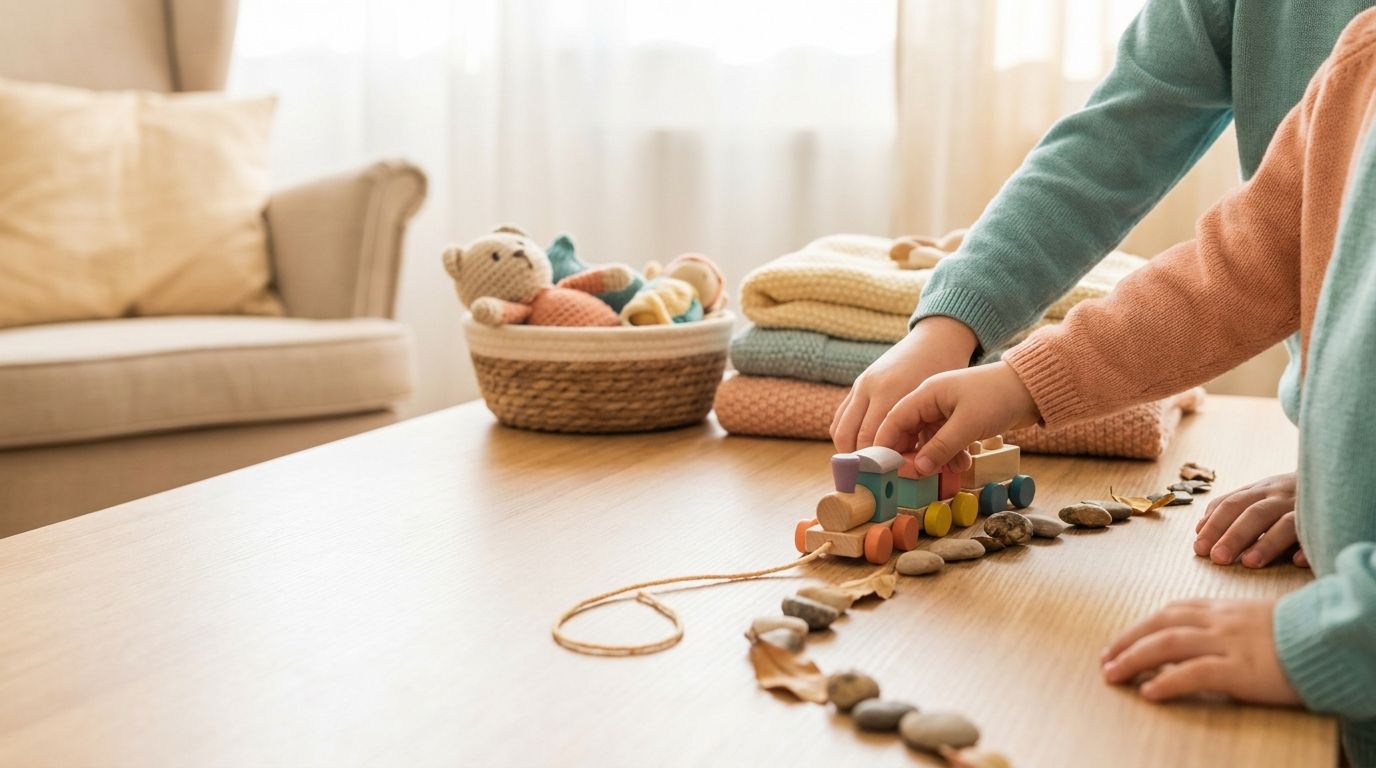
You're in the kitchen, cookies still warm on the counter, when Milo bursts in talking about a kid from school. There's excitement in his voice, but uncertainty too, and you catch yourself wondering: how do you help him turn that spark into something real? Building friendships for your neurodiverse child is its own kind of adventure. It takes some intention, a dash of creativity, and the kind of support only you can give.
Understand your child's communication style
Every child has their own way of expressing themselves. For neurodiverse kids, that might look pretty different from what we typically expect at the playground or the lunch table.
Take Milo. He can talk about dinosaurs for forty-five minutes straight, but small talk is a total mystery. And honestly, that's useful information. Understanding how your child communicates is the first step toward helping them connect with others.
Encourage Milo to lean into his interests as conversation starters. Remind him it's okay to open with something exciting about the Cretaceous period, because genuine enthusiasm is magnetic, even to seven-year-olds. You can even role-play at home: try a game where you each pretend to be a different dinosaur and ask each other questions about your lives. Silly? Yes. Effective? Absolutely.
Create opportunities for social interaction
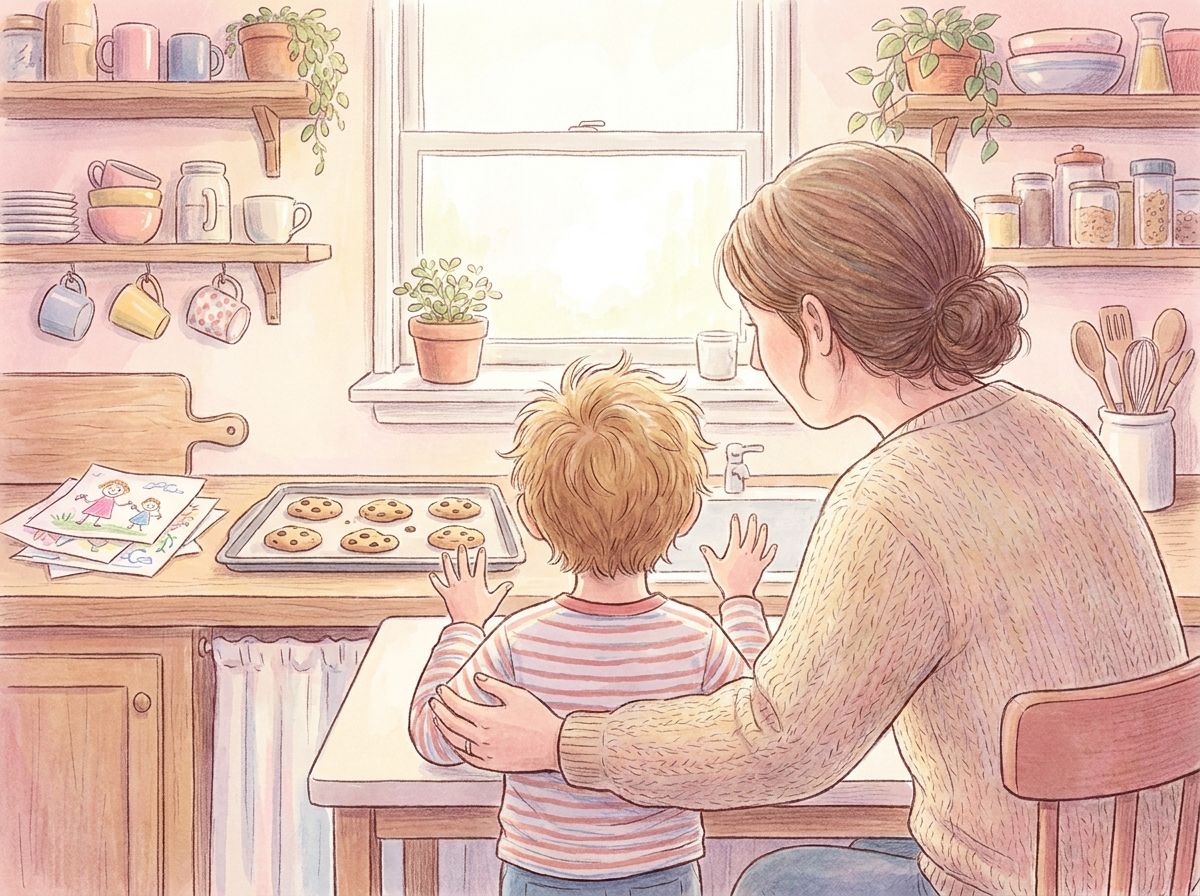
Setting up playdates or group activities is one of the most direct ways to grow friendships. The key is finding situations that match what your child already loves.
If Milo is into art, look into local weekend workshops. Places like a Community Arts Center in your town often run kid-focused sessions where the activity itself does the heavy social lifting, so nobody has to just stand around making conversation.
Environment matters too. A familiar space, your living room, a favorite park, can lower the anxiety enough for real connection to happen. Try inviting a classmate over to paint their own superhero characters (collaboration and solo expression all at once), or host a movie night with something like "Toy Story" and let the post-movie friendship chat unfold naturally.
Encourage empathy and understanding
Friendships run on empathy. And empathy, thankfully, is something you can actually practice together at home.
Reading books with rich emotional storylines is a great entry point. "The Pigeon Finds a Hot Dog!" by Mo Willems is a personal favorite for this, it's funny and surprisingly deep about sharing and what it feels like when someone wants what you have.
Talk through what the characters are feeling and why. Then connect it to Milo's real life: "Have you ever felt like the pigeon?" Those conversations build the muscle he needs to read the room when he's with friends. Animated movies work the same way. Watch together, then dig into what the characters were going through.
Build a support network for parents
Here's something worth saying plainly: you need community too. Not just for information, but for the relief of being understood.
Look for local or online support groups where parents of neurodiverse children actually gather and talk honestly. Organizations like the Autism Society often have regional chapters that host meetups or events, and those rooms can feel like taking a full breath for the first time all week.
Consider organizing something yourself, a casual coffee morning at a neighborhood café or an afternoon at the park where the kids can play while the grown-ups compare notes. You might even start a small book club. "The Reason I Jump" by Naoki Higashida is a powerful read for any parent wanting to understand their child's inner world a little better.
Leverage technology for socialization
Gaming gets a bad reputation sometimes, but for neurodiverse kids it can be genuinely connective. Platforms like Minecraft and Roblox give children a shared project to focus on, which takes the pressure off face-to-face interaction while still building real social skills.
If Milo is into gaming, suggest he invite a friend to build a fortress together in Minecraft or co-create an adventure in Roblox. Set some simple ground rules, taking turns, working toward a shared goal, and watch teamwork develop in a context that actually feels fun to him.
Regular online game nights can become their own kind of ritual. Consistent, low-pressure, and something to look forward to.
Celebrate small victories
Did Milo crack a joke at lunch today? Did he text a classmate to ask about a playdate? These moments matter. A lot.
Create a "Friendship Journal" together where he writes or draws about his social wins. Decorate it with stickers, make it his. It becomes a tangible record of how far he's come, especially useful on the harder days when progress feels invisible.
Then celebrate. Take him to his favorite ice cream place after a successful playdate. Let him pick dinner. The celebration doesn't have to be big, it just has to be real. It tells him the effort is worth it.
Be patient and supportive
Friendship development takes time. More time for some kids than others, and that's not a flaw in your child or in you.
Make space for Milo to tell you how friendships feel, exciting, confusing, exhausting, all of it. Validate whatever he shares. And remind him that needing to recharge after social time is completely normal, a quiet afternoon with a book or some drawing is not failure, it's maintenance.
Mindfulness tools can help here too. Simple deep breathing or a few minutes of gentle movement before a playdate can help him walk in feeling steadier.
Foster inclusive environments
Friendships don't form in a vacuum, the environment shapes everything. Talk to your child's teacher about buddy systems, partner activities, and classroom structures that help neurodiverse kids feel genuinely included rather than just present.
Outside school, look at your local parks. Do the play structures actually work for children with different needs? If not, consider connecting with other parents to raise awareness or organize a community push for more inclusive spaces. It benefits every kid, and it sends a message about what your community values.
FAQ
How can I encourage my child to make friends?
Encourage your child to engage in activities that align with their interests, such as clubs or classes. Setting up playdates in familiar settings can also help ease social interactions. For instance, if they enjoy sports, consider enrolling them in a local soccer league.
What are some signs my child is struggling with friendships?
Signs may include reluctance to engage in social activities, expressing feelings of loneliness, or difficulty initiating conversations. If you observe these signs, it may help to talk with your child about their feelings and experiences. Keep an eye out for changes in behavior, like withdrawal from activities they once enjoyed.
How can technology help my neurodiverse child with friendships?
Technology can provide a platform for your child to interact with peers in a less pressured environment. Games that promote teamwork and collaboration can help develop social skills while fostering friendships. Platforms such as Discord can also facilitate communication among friends.
What should I do if my child faces bullying?
If your child experiences bullying, it's crucial to address it immediately. Encourage open communication so they feel safe discussing their experiences. Work with teachers or administrators to create a supportive environment for your child. Be their advocate, ensuring they know they have a safe space at school.
How can I help my child understand emotions?
Reading books and discussing characters' feelings can help your child learn empathy. You can also role-play different scenarios to help them practice recognizing and responding to various emotions. Consider using emotion cards to facilitate discussions about feelings in different contexts.
Building friendships for your neurodiverse child is a journey with real highs and genuinely hard days. But by tuning into their unique needs and cheering on their growth, you help them build connections that actually last.
Start with shared interests. Celebrate every small win. And know you're not doing this alone. With tools like Ziggyloo's adaptive learning system supporting you along the way, you and Milo can take on the social world together, one dinosaur fact at a time.
Join the conversation
Subscribe to comment
Join the Ziggyloo family newsletter to leave a comment — and get gentle learning tips and community stories in your inbox. No spam, unsubscribe anytime.