
Discovering emotional regulation with Bluster the Gloom
Explore how Bluster the Gloom can help your child navigate emotions and build resilience in everyday moments.
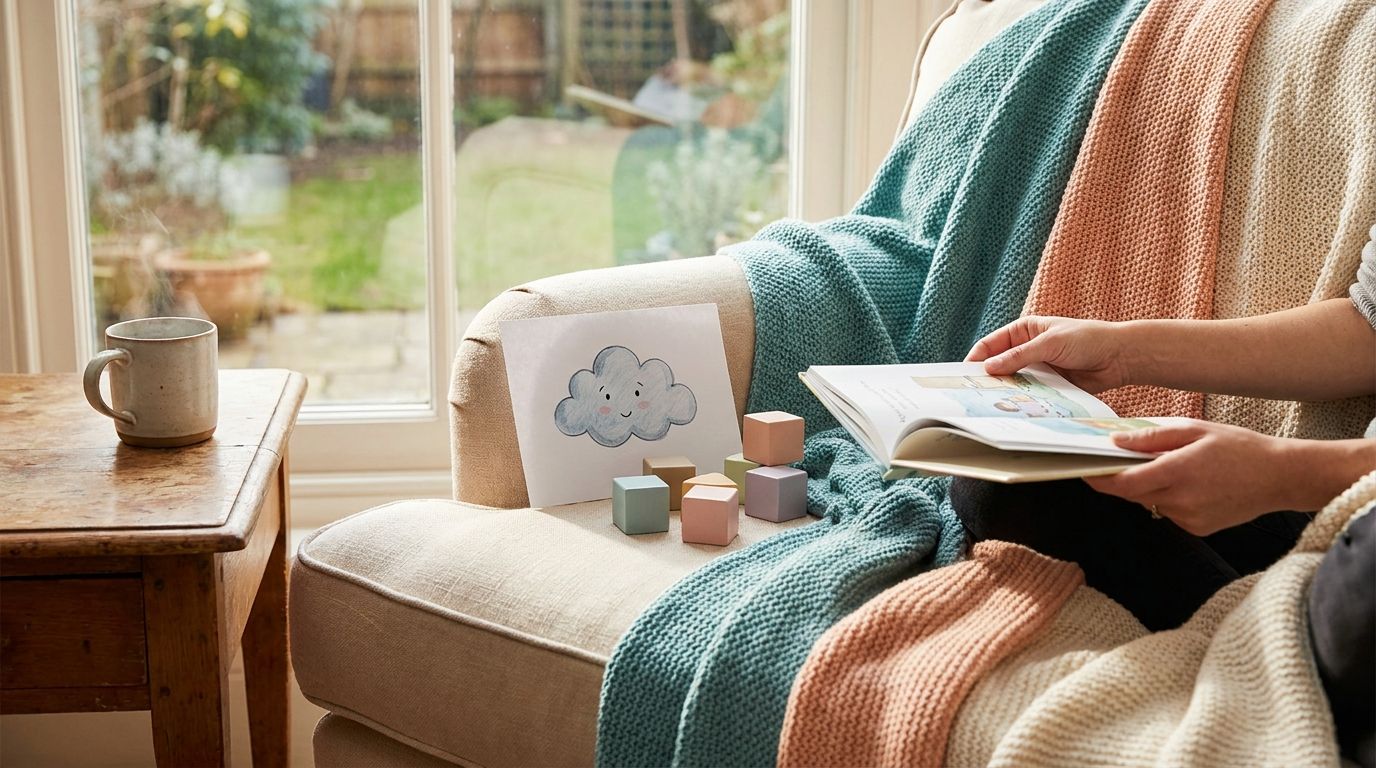
You’re in the middle of a busy afternoon, and suddenly, your child’s laughter transforms into tears over a spilled drink. It happens in a flash, and you’re left wondering how to help them through this emotional whirlwind. Understanding emotional regulation can feel daunting, but with a little help from Bluster the Gloom, you can turn these moments into valuable lessons for your child.
Meet Bluster the Gloom
Bluster is no ordinary character; he represents anger and defiance. He’s the one who pops up when your child feels overwhelmed or frustrated. But here’s the good news: Bluster has a partner, Flicko, the Spark of Patience and Warmth. Together, they remind us that it’s okay to feel big emotions, and that there are constructive ways to express them. When you acknowledge Bluster’s presence, you can help your child learn to navigate their feelings instead of being swept away by them.

Understanding emotional regulation
Emotional regulation is simply being able to manage and respond to your emotions in a healthy way. It’s not about suppressing emotions; rather, it’s about understanding them. Research shows that children who learn to regulate their emotions are better equipped to handle stress, build relationships, and succeed in school. But as you know, emotional regulation doesn’t come easily for everyone. It’s a skill that requires practice and patience.
Recognizing emotions
Start by helping your child recognize their feelings. You can use Bluster as a fun way to discuss emotions. For instance, when your child experiences anger, you might say, “It seems like Bluster is here with us right now. Can you feel him?” This acknowledgment creates space for them to express what they’re feeling. By labeling emotions as they arise, you can help your child understand that it’s okay to feel angry, sad, or frustrated.
Exploring coping strategies
Once your child can identify their feelings, it’s time to explore coping strategies. Introduce simple techniques that can help calm Bluster when he shows up. For example, deep breathing is a great tool. You can practice this together by taking deep breaths and counting to three as you inhale and exhale. You might say something like, “Let’s blow away Bluster together. Breathe in… and blow out!”
Another helpful strategy is creating a feelings chart. This chart can be colorful and engaging, displaying different emotions, including Bluster’s. When your child feels a strong emotion, they can point to how they feel, which can help start a conversation about it.
Creating a safe space for expression
Children need to feel safe expressing their emotions. Create a calming corner in your home where your child can retreat when Bluster is too overwhelming. Stock it with comforting items like stuffed animals, books, or sensory toys. Encourage your child to go there when they feel big emotions. You might say, “If Bluster gets too loud, let’s go to our cozy corner and see if Flicko can help.” This not only gives them a physical space to calm down but also reinforces that it’s perfectly okay to take a break.
Modeling emotional regulation
Children learn a lot by watching you. When you model emotional regulation, you give them a roadmap for how to handle their own feelings. Share your experiences and how you handle your emotions. For example, if you feel frustrated with work, you might say, “I can feel Bluster trying to pop up while I’m working. I’m going to take a moment to breathe and then I’ll feel better.” This helps your child see that everyone experiences strong emotions and that there are ways to manage them.
Celebrating progress
As your child begins to practice emotional regulation, celebrate their successes. Each time they successfully manage their feelings, acknowledge it. You might say, “I noticed you took a deep breath when Bluster showed up today. That was amazing!” Positive reinforcement helps to build their confidence and encourages them to continue using those skills.
A practical takeaway
Remember, it’s normal for children to experience intense emotions, and it’s okay to let Bluster make an appearance now and then. What’s important is how you and your child respond to those feelings. By using Bluster the Gloom as a tool for understanding emotions and practicing regulation strategies together, you create a supportive environment where your child can thrive.
Next time you notice Bluster showing up in your home, take a moment to breathe, acknowledge those feelings, and explore together how to calm the storm. You’re not just helping them manage emotions; you’re empowering them to grow into resilient individuals who can face life’s ups and downs with confidence.
FAQ
What does Bluster the Gloom represent?
Bluster represents anger and defiance that can appear when a child feels overwhelmed or frustrated. Bluster’s partner, Flicko, represents patience and warmth, reminding children that big emotions can be expressed constructively.
How can I help my child recognize strong emotions?
Use Bluster as a way to talk about feelings as they arise. You might say, “It seems like Bluster is here with us right now,” and help your child label whether they feel angry, sad, or frustrated.
What coping strategies can help calm Bluster?
Deep breathing can help your child calm down, especially when practiced together by breathing in and out while counting to three. A feelings chart can also help your child identify an emotion and start a conversation about it.
How can I create a calming space for my child?
Create a calming corner where your child can go when Bluster feels overwhelming. Include comforting items such as stuffed animals, books, or sensory toys, and encourage your child to take a break there.
How can parents model emotional regulation?
Share what you are feeling and explain how you plan to manage it. For example, you can say that you feel Bluster coming up, then take a moment to breathe, showing your child that everyone experiences strong emotions and can respond to them.
Join the conversation
Subscribe to comment
Join the Ziggyloo family newsletter to leave a comment — and get gentle learning tips and community stories in your inbox. No spam, unsubscribe anytime.