
Discovering the desert dunes: learning through exploration
Explore how desert biomes can inspire learning adventures for neurodiverse children, filled with creative activities and discovery.
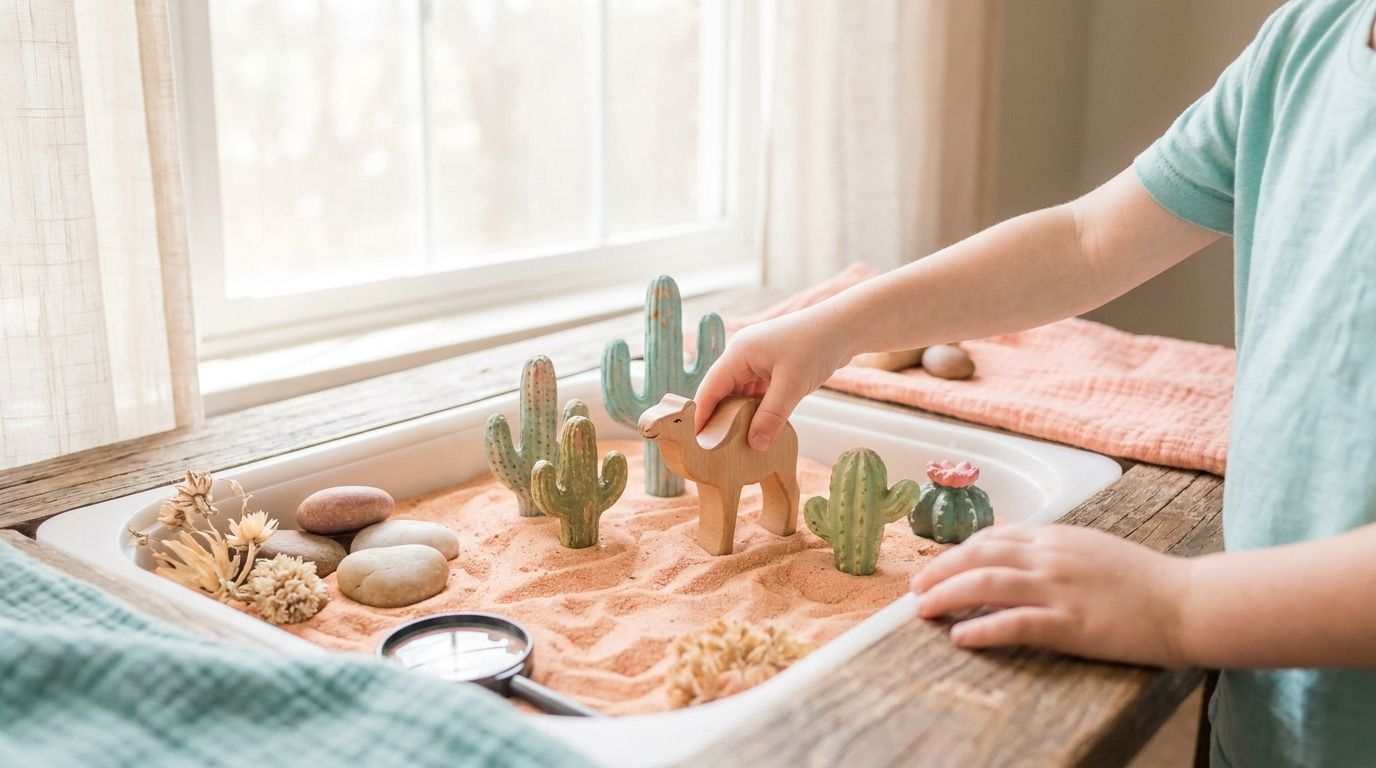
In the early morning light, you're standing at the kitchen counter with a bowl of cereal going soggy while the radio hums something cheerful. You glance at the calendar. Today's the day you promised a special learning activity about the desert. And honestly? The dry, sandy landscape might look bare at first, but it's hiding more wonder than you'd expect. Exploring educational biomes like the desert sparks genuine curiosity and gives your child something real to touch, question, and remember.
So before the morning gets away from you, think about how this could become a full-on adventure. The desert isn't just heat and sand, it's a world of survival, wild adaptation, and life that refuses to quit. This post walks you through ways to explore and learn about the desert biome together, in ways that feel fun rather than like homework.
Understanding desert biomes
Deserts are not just vast, arid spaces; they are complex ecosystems full of life. According to the National Park Service, deserts cover about one-third of the Earth's land surface, making them essential to our planet's biodiversity. From the iconic Saguaro cactus in the Sonoran Desert to the sand dunes of the Sahara, these environments offer a real window into survival, adaptation, and why biodiversity matters.
Start with a simple conversation about what a desert actually is. Pull up some photos or a short video and let your child take it in. You might say, "Look at how the Saguaro cactus stores water for weeks at a time. How wild is that?" It's a natural way to introduce water conservation without it feeling like a lesson. From there, explore the difference between hot deserts like the Sahara and cold deserts like the Gobi, and how each one shapes the plants and animals living there.
A great real-world example is Joshua Tree National Park in California. The park is home to plants and animals that have figured out some seriously clever tricks for surviving extreme conditions: roadrunners, desert tortoises, the works. Creating a visual chart of desert animals and their adaptations together makes this concrete and fun.
Real-world connections to desert life
To make learning more tangible, consider visiting a local desert exhibit at a nature center. Or, if you're feeling adventurous, plan a trip to a nearby desert landscape. If you live near the Mojave Desert, a hike through its trails delivers hands-on learning about flora and fauna that no worksheet can replicate.
If a trip isn't in the cards right now, build a mini desert at home. Use sand, rocks, and small desert plants like succulents to create a miniature scene together. Help your child learn the names of those plants and what role each one plays in the ecosystem. Tactile, messy, memorable.
While you're building it, drop in a small plastic lizard to represent the desert iguana and talk about how it blends into its surroundings to avoid predators. That tiny detail tends to stick.
Hands-on activities for desert exploration
Engaging your child with hands-on activities can turn learning into an adventure. Here are a few ideas:
- Desert scavenger hunt: Create a scavenger hunt with items to find that represent desert life, such as toy cacti, desert animals, or pictures of sand dunes. Use clues to guide your child from one item to the next, encouraging exploration and problem-solving. You might say, "Let's see if we can find a toy snake or a picture of a cactus!" This keeps them excited and focused.
- Crafting desert art: Gather supplies such as colored sand, paper, and glue to create desert-themed art. Your child can create a sunset over the dunes or a collage of desert wildlife. Art encourages creativity and reinforces what they've learned. You can display their artwork in your home to celebrate their creativity and the knowledge gained.
- Cooking desert-inspired meals: Cook a meal inspired by desert cultures, like a simple version of a Middle Eastern dish. Discuss the ingredients and their origins while cooking. For instance, you could prepare falafel or hummus, explaining how these foods are staples in many desert regions. This combines sensory experiences with cultural learning and introduces your child to global cuisines.
- Desert-themed science experiments: Conduct experiments that relate to desert temperatures and climates. You could create a simple model of the greenhouse effect using a glass jar, a small plant, and a thermometer. As they observe how temperature changes, you can discuss how deserts have extreme temperature variations, which opens up rich conversations about climate and weather.
Learning through storytelling
Storytelling is a powerful tool for learning, especially in a desert context. Share books that explore desert life, like The Desert Alphabet Book by Jerry Pallotta or Cactus Hotel by Brenda Z. Guiberson. Reading together encourages imagination and helps your child picture the environment in vivid detail.
After reading, ask your child to retell the story or create their own narrative set in the desert. A character who stumbles onto a hidden oasis. Animal friends crossing the dunes at night. You can even role-play scenes from the stories together, which deepens comprehension in a way that just reading doesn't always manage.
If you've read about a desert fox, act out how it hunts for food or finds shade during the hottest part of the day. Your child will remember that long after the book goes back on the shelf. And when they start making up their own desert stories? That's when you know something has clicked.
The science of deserts
What does it actually look like when a cactus stores water? Plant one. Fill a small pot with soil, water it sparingly, and observe how it grows over weeks. Discuss why it doesn't need much water compared to the houseplants wilting on your windowsill (no judgment, we've all been there). This hands-on activity helps your child understand plant biology and the whole point of adaptation.
You could also build a simple weather station to record temperature changes throughout the day. Deserts often swing dramatically between daytime heat and cold nights, and encouraging your child to graph those changes makes data feel like discovery rather than math class.
Erosion is worth exploring too. Gather some sand and small rocks, then use water to demonstrate how it happens. This leads naturally into conversations about how desert landscapes form and shift over time, which is genuinely fascinating geology for curious kids.
Incorporating technology in learning
Technology, used well, can genuinely enhance these experiences. Google Earth lets you zoom right into the dunes of the Sahara or the rust-colored rock formations of Monument Valley, without leaving the living room. It's a surprisingly effective way to make the world feel big and real.
Interactive games centered around desert ecosystems often involve challenges that require critical thinking and problem-solving. Just balance screen time with hands-on activities. Platforms like Khan Academy or National Geographic Kids offer solid supplementary resources for desert environments.
And don't overlook documentaries. Planet Earth and similar series about desert wildlife are genuinely gripping, for kids and adults alike. Watch together, then talk about what surprised you both. That conversation afterward is where a lot of the real learning happens.
The importance of reflection and connection
After your adventures, take a beat to reflect on what you both discovered. Ask your child, "What surprised you most about the desert?" It's a simple question, but it invites them to connect what they learned with how they felt about it. That's a different kind of understanding.
Reflection can happen through drawing, writing in a journal, or talking over a snack. Encourage your child to keep a "desert journal" where they document what they've learned, drawings, facts, random observations, all of it. It builds writing and artistic skills without feeling like either.
Through these explorations, you're not just teaching your child about deserts. You're feeding their sense of wonder about the world and showing them that learning can feel like play. Every moment of discovery is worth celebrating, and you're the one making those moments possible.
FAQ
Why is exploring biomes like the desert important for children?
Exploring biomes helps children understand the diversity of life on Earth. It promotes curiosity, encourages hands-on learning, and fosters critical thinking skills. Understanding different environments also nurtures an appreciation for nature and conservation.
How can I make desert learning fun for my child?
You can make learning fun by incorporating hands-on activities like scavenger hunts, arts and crafts, and cooking. Storytelling and technology can also enhance the experience. Tailor activities to your child's interests to keep them engaged and excited about learning.
What resources can I use to teach my child about deserts?
Books, documentaries, online resources, and local nature centers are great ways to learn about deserts. You can also find interactive apps and games focused on desert ecosystems. Websites like National Geographic Kids and PBS LearningMedia offer excellent educational materials.
How can I support my neurodiverse child during these activities?
Be patient and flexible. Adapt activities to your child's interests and learning style. Provide clear instructions and use visual aids when necessary. Celebrate their efforts, no matter how small, and create a positive learning environment that encourages exploration.
What are some signs my child is engaged in learning?
Signs of engagement include asking questions, showing excitement about the topic, and expressing thoughts or ideas. You might notice them initiating related activities or discussions. If they are eager to share what they've learned, that's a fantastic sign of engagement.
Can exploring the desert help with my child's emotional development?
Absolutely! Engaging with nature can significantly improve emotional well-being. Outdoor exploration encourages mindfulness, reduces anxiety, and fosters a sense of wonder. It can also provide opportunities for social interaction if done in a group setting.
In exploring the wonders of the desert, you've embarked on a journey that not only educates but also strengthens your bond with your child. As you both dive into the beauty of this unique biome, remember to celebrate each moment of discovery. Grab your hats and sunscreen. The desert adventure starts now.
Next steps
Now that you've discovered the desert, why not plan your next biome adventure? Consider exploring a rainforest, tundra, or even an ocean. Each offers unique learning opportunities that can further enrich your child's understanding of the world around them. You could even create a seasonal learning calendar, marking out what biome to explore next and planning activities in advance. This way, you can look forward to the next adventure together!
Join the conversation
Subscribe to comment
Join the Ziggyloo family newsletter to leave a comment — and get gentle learning tips and community stories in your inbox. No spam, unsubscribe anytime.