
Executive Function Without the Lectures: How to Support Planning, Timing, and Transitions
You can help your neurodiverse child plan, time, and switch gears without constant reminders. Try these calm, concrete supports at home and school.
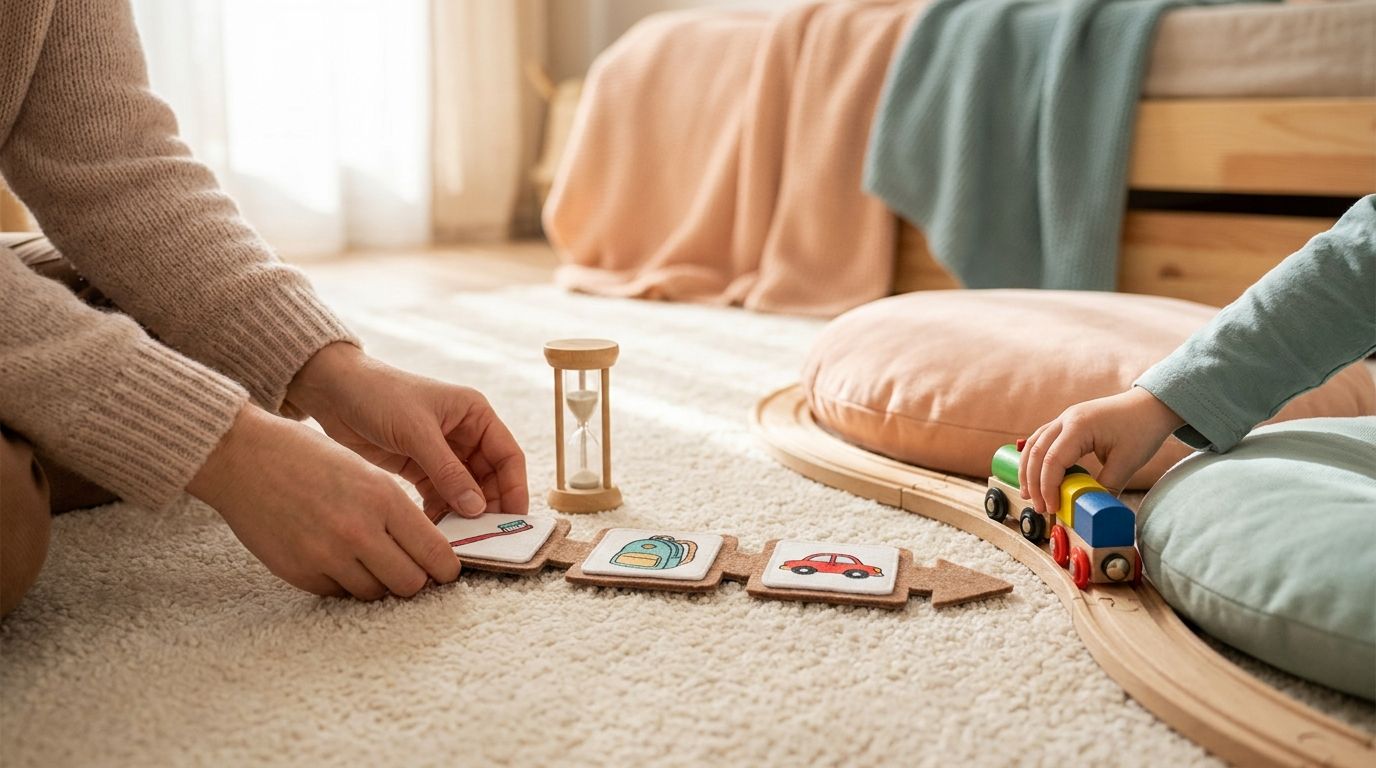
Your kitchen timer goes off and you hear the same sentence again: "I didn't know it was time." The plates are half stacked. The shoes are still by the door. In that moment, you want to launch into a whole speech about time management, but what your child actually needs is a system that makes time visible.
Executive function skills are the brain skills that help someone plan, start tasks, manage time, and move from one thing to the next. When those skills are shaky, lectures turn into noise. Supports turn into traction.
With Ziggyloo's adaptive learning system, you can practice planning support and transitions for ADHD in small, repeatable ways that feel doable, not dramatic.
So let's build supports that work even when your patience is running low.
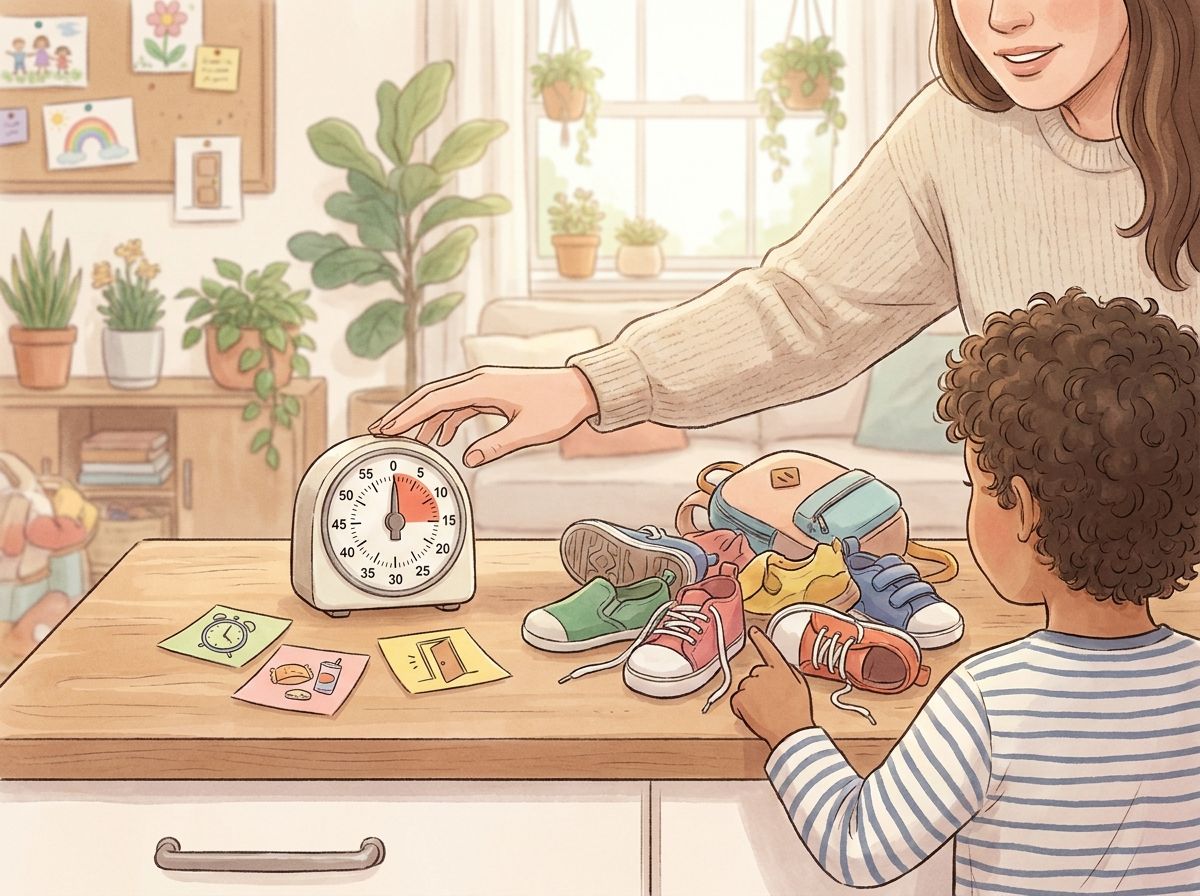
What "executive function" looks like in real life (and why lectures fall flat)
The hardest part of executive function is that it's invisible when it's working and loud when it isn't. You see the result, not the struggle. Your child might look like they're choosing to ignore you, but in reality they're often juggling too many steps at once, and one more word from you is just one more thing to hold.
Executive function skills include things like:
- Planning support (figuring out what to do and in what order)
- Timing (knowing how long something takes and when to switch)
- Working memory (holding instructions in mind while they act)
- Task initiation (starting without a long ramp-up)
- Transitions for ADHD (moving from one activity to the next without a meltdown)
Lectures usually fail because they ask the brain to do the very thing it's struggling with. "Remember what I said" is working memory. "Think about the future" is planning. "Try harder" is task initiation. When the brain is already overloaded, extra talking adds more load.
A quick reality check you can use tonight: if you repeat the same reminder over and over, that reminder is not a support. It's a loop.
Instead, aim for "make it easier to do the thing." That usually means three moves: reduce the number of steps your child has to hold, make time and transitions visible, and practice the routine when emotions are low.
And yes, sometimes you will still say something like, "Shoes on, we're going." But you say it while the plan is already in front of you, not while you're hoping your child can mentally rewind your last conversation.
Planning support that doesn't rely on willpower
Planning support works best when it's external. Your child doesn't need a bigger brain. They need a clearer map.
In the car on the way to school once, my own kid looked at the backpack and said, "I thought we were doing the other thing." (The "other thing" was a science project from the week before.) The plan lived in my head. The backpack lived in their hands. Neither of us was wrong. The plan just wasn't shared.
Here are planning supports that don't sound like lectures.
Use a "next step only" plan
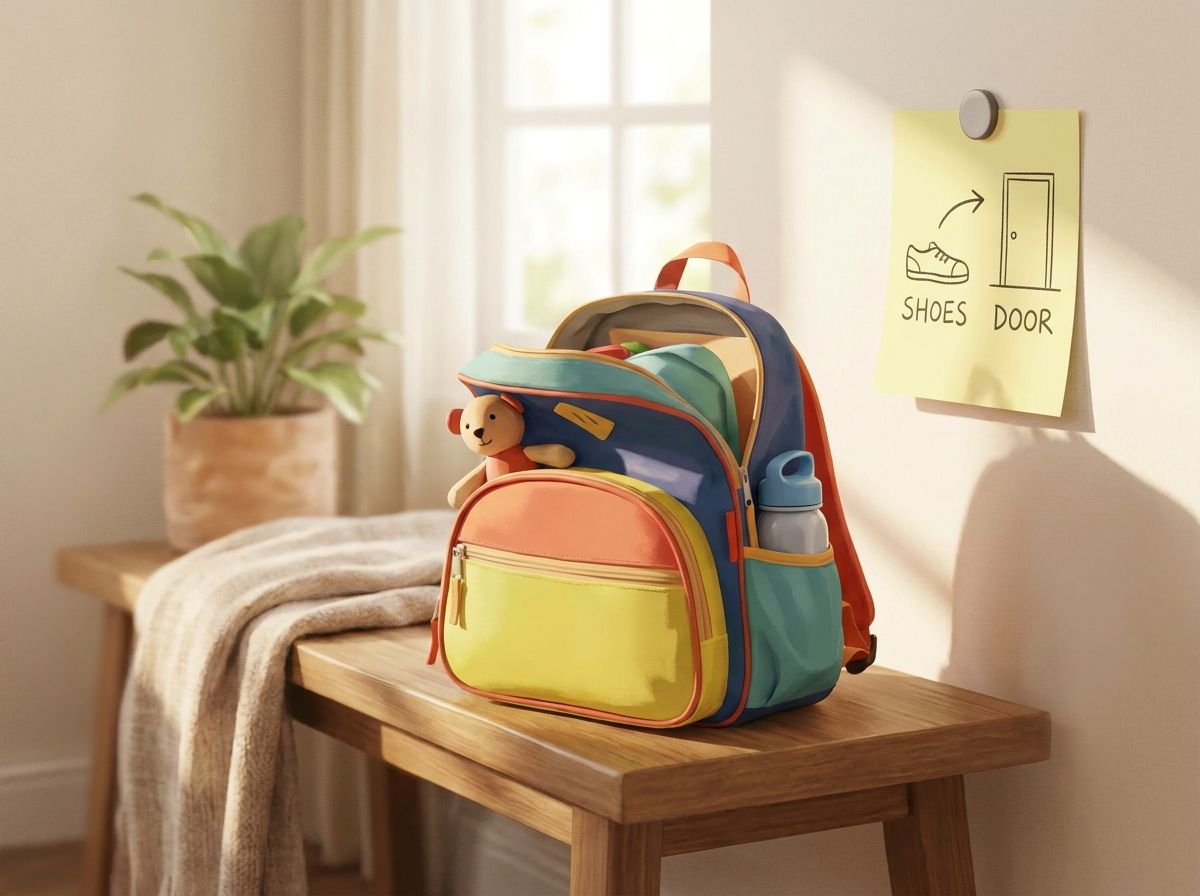
Keep the plan short enough to fit on one sticky note or one whiteboard. Write the next step, not the whole story.
Example: "After breakfast: brush teeth." Then stop. When the teeth are done, you update the note to "After teeth: shoes."
This helps because planning support is less about predicting everything and more about reducing the number of choices in the moment.
Try a "two-part plan" for the day
For school readiness, many neurodiverse kids do better with two buckets:
- What we do at school
- What we do after school
At 7:10 a.m., you lay out two cards on the counter. One says "School: pack + lunch + homework check." The other says "After school: snack + movement." You don't add "and then we will..." because that turns into a long speech.
Make a "start cue" that is not a reminder
A reminder says "you forgot." A start cue says "here is how to begin."
Start cue ideas:
- A bag zipper you always open before homework
- A specific pen you only use for planning
- The same song that starts the "get ready" routine
Research-wise, this matches what learning scientists have been saying for years: cues and routines help the brain automate sequences. When a task becomes a sequence, it needs less mental wrestling.
If your child's planning skills are behind, your job is not to talk them into being ready. Your job is to build readiness into the environment.
Timing that feels fair: make time visible and predictable
Timing is where a lot of neurodiverse parenting tips get stuck on "be consistent." Consistency matters, but visibility matters more.
Many kids with attention differences experience time as slippery. A ten-minute task can feel like it lasts forever, or it can vanish. When time is unclear, transitions for ADHD become harder because the brain doesn't get a reliable "when."
So you add a "when" your child can actually see.
Use a visual timer and name the moment
A kitchen timer works, but a visual timer often works better because it shows change happening in real time.
On a school night at the dining room table, you set a visual timer for "homework check: 8 minutes." You point and say, "When the timer is on the last part, we get ready to stop." Then you do one more thing that feels small but helps a lot: you teach the stopping moment, not just the starting moment.
Teach "time math" with real objects
Instead of asking your child to estimate time, link time to actions.
Try this at home:
- "Two songs is bath time."
- "One episode pause is snack and story."
- "When the kettle whistles twice, we line up."
It sounds too simple. It works anyway.
Use "buffer time" like it is part of the plan
A buffer is the extra minutes you give for the transition. It's not a reward. It's a bridge.
Your child's bus is at 8:45. You plan to be at the door at 8:40, not 8:43. You build in 5 minutes for shoes, zipper, and the last random thought that always pops up right at the worst moment.
Adults often treat buffer time as wasted time. For neurodiverse kids, it's often the difference between smooth transitions and a full-body shutdown.
If you want a research anchor, think of it this way: attention and executive function are limited resources. Studies on ADHD and executive function consistently find that kids often need more time and more structure to complete tasks. That is not "laziness." It is how their brains manage load.
Transitions for ADHD: move the body before you move the rules
Transitions are not just "changing activities." They're changing context, expectations, and sensory input all at once. That is a lot for any brain. For a neurodiverse brain, it can feel like stepping into a different game with different rules mid-play.
A lecture during a transition is like handing someone a new instruction manual while the floor is sliding.
So you change the transition itself.
Give a warning that is specific, not long
A warning like "in a minute" is often too vague. Try "In two minutes, screens go off and we pick pajamas." Keep it short.
Use a "transition object"
Pick one object that always moves with the transition.
- A small toy car for "walk to the car"
- A scarf for "outside time"
- A special cup for "bedtime water"
In the living room, you hand your child the "bedtime cup" when you say, "Last bathroom check." Then you don't debate. The cup becomes the cue. (I know it sounds almost too easy, but this one genuinely surprised me the first time it worked.)
Make transitions physical
If your child can move, let them.
Try a "walk and talk" countdown where each number is a step.
- "Three steps to the door."
- "Two steps to the couch."
It works because the brain gets input through movement when it struggles with switching attention.
Practice transitions during calm times
This is the part parents often skip because everyone is tired. But you can practice in 60 seconds.
On a Saturday morning, you act out a tiny transition: "Blocks to snack," then "Snack to bath." You practice the exact script and exact visuals when emotions are low, so when you need it later, you're not improvising in the middle of a storm.
With Ziggyloo's adaptive learning system, you can reinforce these routines with consistent, repeatable prompts so the transition becomes something your child expects, not something they fear.
When your child melts down: how to support transitions in the heat
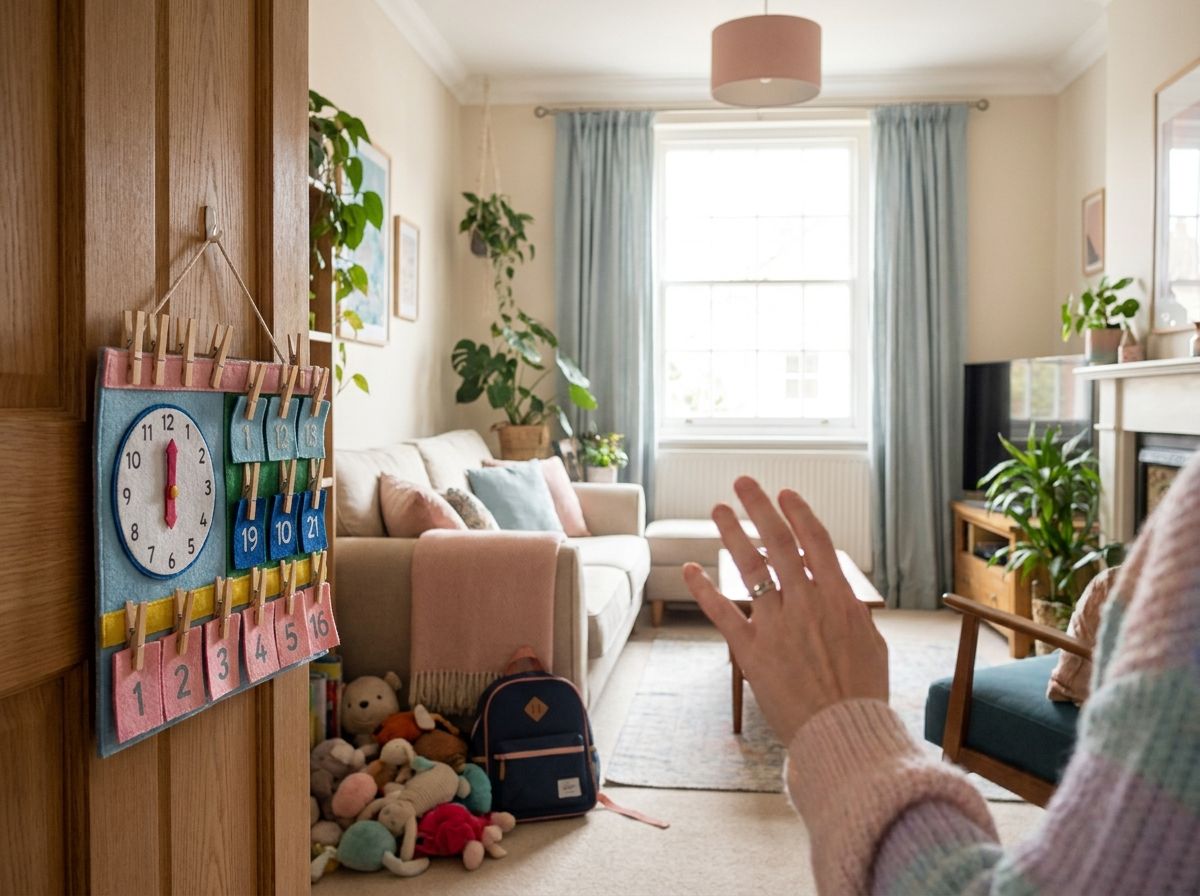
Sometimes the transition goes wrong. Your child cries, freezes, argues, or says "no" in a voice that really means "I can't switch right now."
In those moments, your goal is not to win the argument. Your goal is to help the brain come back online.
Here is a script you can use that is not a lecture.
Step 1: Name what is happening (short)
Try: "This is hard to stop." Or "Your body is stuck."
You are not diagnosing. You are reflecting the experience.
Step 2: Offer the bridge, not the debate
Offer one choice that still moves forward.
Your child is refusing to leave the playground. Try: "You can hold the ticket in your hand, or we can hold hands while we walk." Both options move the transition.
Step 3: Reduce the next step
If they are melting down, they cannot hold multiple instructions. So you shrink the task.
Instead of "put on shoes, socks, jacket, and we're leaving," you say "shoes first."
Step 4: After the storm, rebuild the plan
This part matters. If you only react during the meltdown, the plan never improves.
After your child is calm, do a quick repair. "Next time, we will check the timer at the red part." "We will do shoes first, then jacket." "We will use the transition cup." Keep it short. Keep it factual.
A helpful research reference here is the broader finding that emotional arousal reduces executive function performance. In plain terms, when your child is flooded, planning and timing get harder. So you support the nervous system first, then you teach the routine.
And yes, you will still feel angry sometimes. You are human. But when you shift from "Why aren't you listening?" to "What bridge is missing?" you start getting different results.
School readiness: building executive function skills before the day falls apart
School readiness is not just knowing your letters. It's having routines that support executive function skills in a noisy, constantly-switching world.
If your child has transitions for ADHD, school can feel like nonstop context-swapping: recess to line-up, line-up to classroom, classroom to instructions, instructions to independent work.
You can help by building the same supports at home that you want at school.
Create a "morning landing" routine
A landing routine is what happens right after waking.
Try a simple sequence:
- Grab water
- Bathroom
- Clothes choice from two options
- Shoes
Planning support here is not "decide everything." It's "choose between two things."
Do a "materials check" with a checklist your child can use
You are aiming for neurodiverse parenting tips that reduce speech and increase visuals.
In the hallway by the backpack, tape a checklist with pictures:
- Lunch
- Water bottle
- Homework folder
- Jacket
You check it together once, then you stop talking.
Teach the "end of work" transition
Many kids struggle when work ends because they have to stop thinking.
Try a work-ending cue: "When the timer beeps, you write your name and put it in the tray." Then you practice it. Repetition turns it into a habit.
Work with the teacher on one support, not ten
You can ask for one change that matches your home plan.
Examples:
- A visual timer for independent work
- A transition cue card for "line-up next"
- A short "first-then" board
If the teacher says, "We can try," you say, "Great. One support at a time. We will track how it goes." That keeps it realistic.
FAQ
Why does my child ignore me right when it's time to switch activities?
It is often not ignoring. Switching activities asks for timing and attention control, and those executive function skills can be slow to kick in when the brain is busy with the current activity. Lectures add more words to hold, which makes switching harder.
What can I do instead of repeated reminders?
Make the plan visible. Use a visual timer, a checklist, and "next step only" notes. When you repeat less and cue more, your child gets fewer things to juggle.
How do I help with transitions for ADHD when we are outside the house?
Use a transition object and a short, specific script. For example, "When the red part is done, you hold the cup and we walk." Build in buffer time so the transition doesn't happen at the exact last second.
Is planning support something I should teach like a skill?
Yes. Practice when emotions are low. Do quick pretend transitions on calm days, like "blocks to snack," so the routine is familiar before it matters.
What if my child melts down anyway?
Shrink the next step and offer a bridge choice. Then repair after calm by updating the plan: timer cue, next step order, and the transition object.
Closing: your next step tonight
Pick one routine that's causing the most trouble right now. Make it visible with one tool: a visual timer, a two-option choice, or a "next step only" note.
Tonight, write the next step on a sticky note and set a timer for the moment you want the transition to happen. When the timer changes, you point and you act. No lecture. Just a clear map.
Tomorrow, you repeat the same routine at the same time. That is how executive function skills get trained without lectures.
Join the conversation
Subscribe to comment
Join the Ziggyloo family newsletter to leave a comment — and get gentle learning tips and community stories in your inbox. No spam, unsubscribe anytime.