
How dance party encourages movement and focus in kids
Discover how a dance party can boost your child's movement and focus, turning playtime into an engaging learning experience.
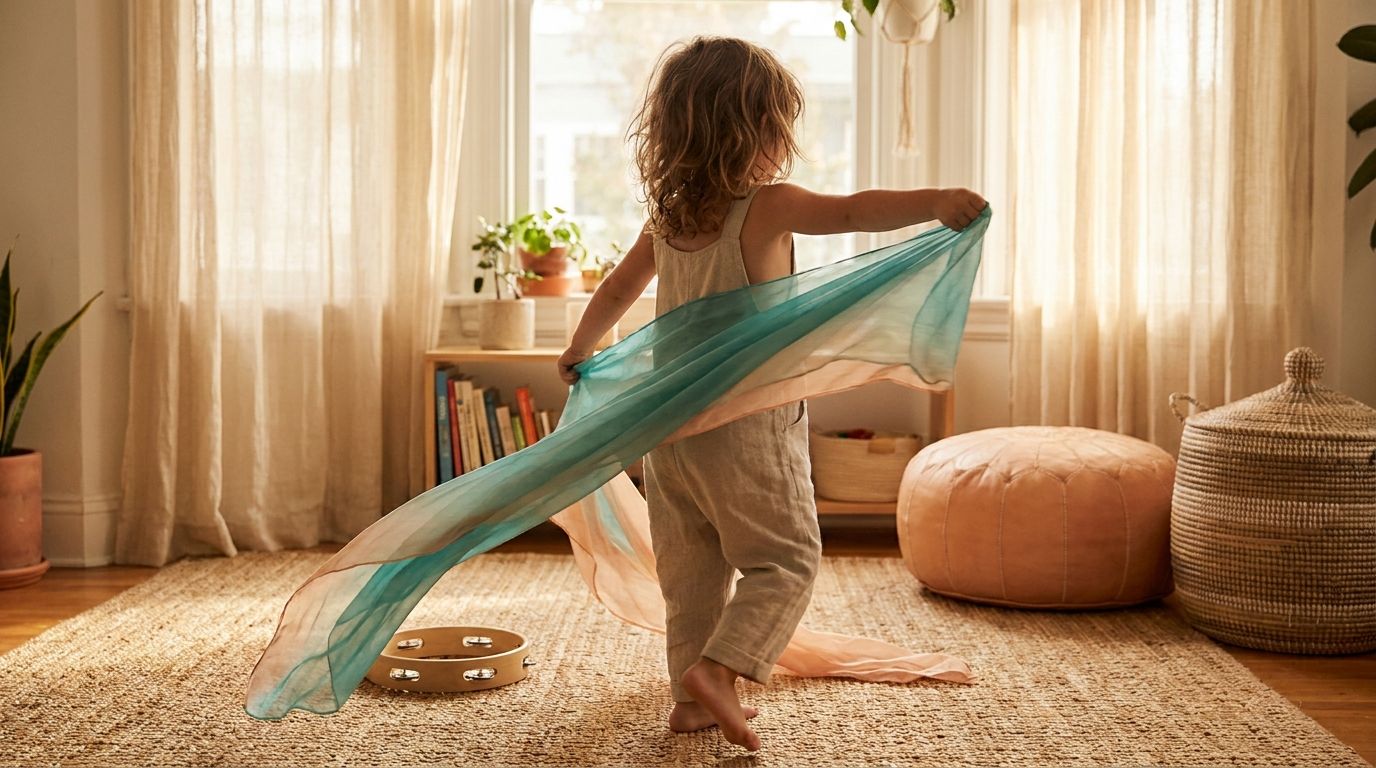
You’re in the living room, the afternoon sun pouring in through the window, and your child is bouncing off the walls. Instead of feeling overwhelmed, you decide to turn that energy into a dance party. You hit play on their favorite playlist, and suddenly, the room transforms into a vibrant space filled with laughter and movement. This simple act of dancing can do wonders for your child’s focus and physical health. Let’s explore how a dance party can encourage movement and enhance concentration in your little one.
The benefits of movement for kids
Movement is not just about burning energy. For children, physical activity enhances brain function, supports emotional health, and improves motor skills. According to research, engaging in regular physical activity can lead to better academic performance and increased focus in school settings. When your child dances, they’re not just moving their bodies; they’re also stimulating their minds.
Imagine your child twirling and jumping to the beat, fully immersed in the music. As they move, they’re building coordination and balance. Plus, dance encourages creativity, allowing them to express themselves freely. You might even notice them focusing more on tasks afterward, as their minds are refreshed and ready to tackle new challenges.
Making dance parties a regular thing
Creating a routine around dance parties can make it a delightful part of your child’s day. Consider setting aside specific times each week for these energetic breaks. You could choose a day to celebrate “Dance Party Friday” or just turn on the music whenever you feel the energy levels rising.
You can also involve your child in the planning. Let them pick the playlist or suggest new dance moves. This involvement fosters a sense of ownership and makes the activity even more exciting for them.
Engaging with different styles of dance
Not all dance is the same, and exploring various styles can keep things fresh and fun. From hip-hop to ballet, each genre offers unique benefits. Hip-hop, for example, is great for energetic expression, while ballet can enhance grace and control.
Try setting up themed dance parties. You could have a “Ballet Night” where you watch a short ballet performance online, then mimic the movements together. Or a “Hip-Hop Party” where you learn some simple choreography from a kid-friendly video. This variety keeps your child engaged and excited to move.
Dance as a tool for emotional regulation
Dance can also serve as a powerful tool for emotional expression. Kids often struggle to articulate their feelings, but through movement, they can channel their emotions. If your child is feeling anxious or upset, a dance party can provide a healthy outlet.
Consider this scenario: it’s been a long day, and your child is feeling overwhelmed. Instead of diving straight into homework, you take a break and dance it out. As they jump and twirl, you might see their mood lighten, allowing them to return to their tasks with a clearer head.
Incorporating mindfulness into dance
You can even blend mindfulness practices with dance to create a calming yet energizing experience. After a lively dance session, take a moment to cool down with gentle stretching or some slow, mindful movements. This can help your child transition from high-energy play to a more focused mindset.
For instance, after your dance party, you could sit together and take deep breaths, feeling the rhythm of your heart slow down, grounding them for the next activity. This combination of movement and mindfulness can teach your child valuable skills for self-regulation.
The role of Ziggy in your dance party
In your dance journey, having Ziggy, your child’s calm guide, can add an extra layer of fun. Ziggy can help introduce new dance moves or remind your child to take breaks when needed. They’ll enjoy having a friend to dance with, making the experience even more delightful.
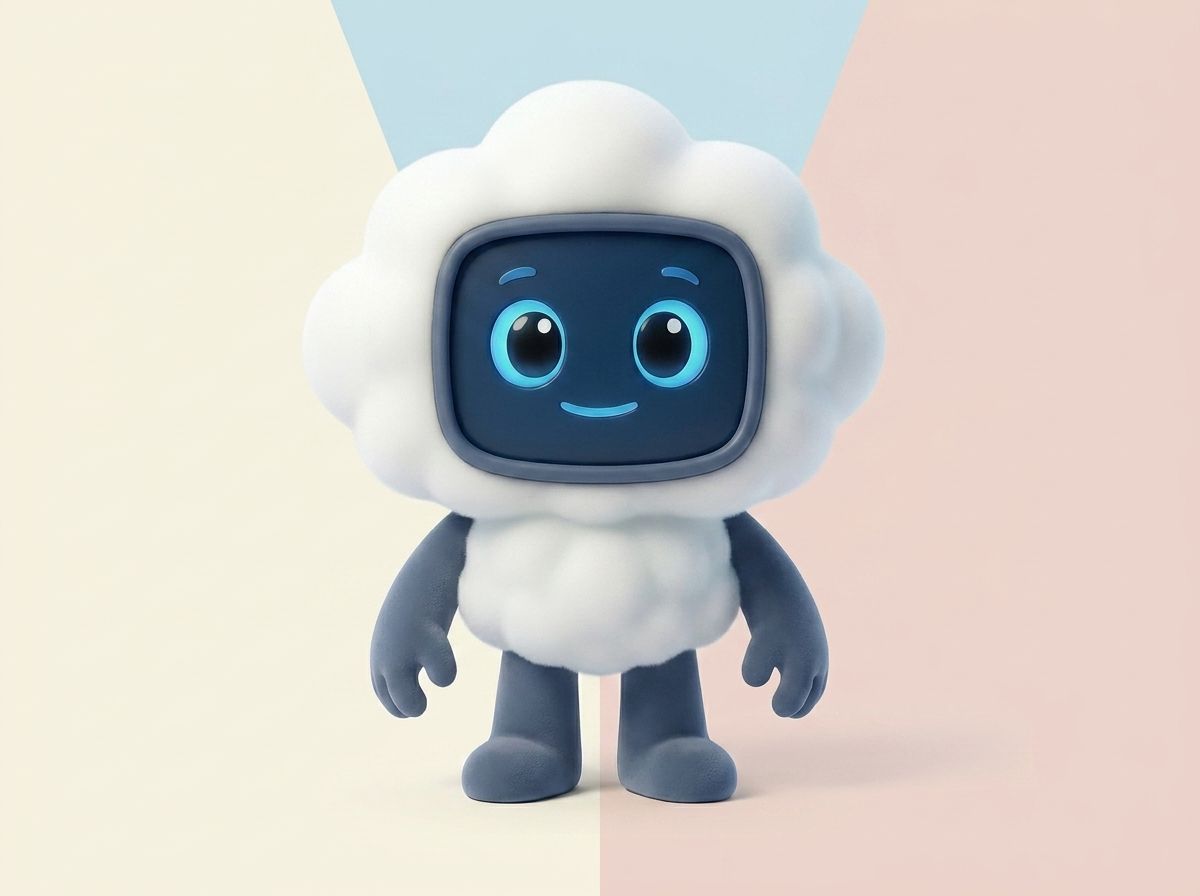
Ziggy can also suggest fun games or challenges during the dance party, like who can hold a pose the longest or create the silliest dance move. This keeps the atmosphere playful and engaging, encouraging your child to keep moving.
A dance party for everyone
Remember, dance parties aren’t just for kids. You can join in on the fun, showing your child that movement is enjoyable at any age. Dancing together strengthens your bond and creates joyful memories. Plus, it’s an excellent way for you to release some stress and get a little workout in, too!
Your living room dance parties can become a cherished family tradition, building confidence and focus in your child while creating a love for movement that lasts a lifetime.
Next steps
So, why not start today? Gather your family, crank up the music, and let loose. Create a weekly dance party tradition that celebrates movement, focus, and fun. You may be surprised at how much joy and connection comes from simply dancing together. Plus, you’ll be nurturing your child’s ability to express themselves and focus, all while having a blast in the process.
FAQ
How can a dance party help my child focus?
Movement can stimulate your child’s mind and enhance brain function. After dancing, your child may feel refreshed and more ready to tackle new challenges or return to tasks with a clearer head.
How often should we have a dance party?
The article suggests making dance parties a regular part of your child’s day or week. You could set aside a specific time, such as a weekly “Dance Party Friday,” or turn on music whenever your child’s energy levels rise.
What types of dance can kids try at a dance party?
Kids can explore styles such as hip-hop and ballet. Hip-hop supports energetic expression, while ballet can encourage grace and control, and themed parties can keep the activity fresh and engaging.
Can dancing help children manage their emotions?
Yes. Dance gives children a way to channel emotions they may struggle to articulate, including anxiety or upset feelings. Dancing can help lighten their mood and provide a healthy emotional outlet.
How can I help my child calm down after dancing?
Follow the dance session with gentle stretching, slow movements, or deep breaths. This cooldown can help your child transition from high-energy play to a more focused mindset.
Join the conversation
Subscribe to comment
Join the Ziggyloo family newsletter to leave a comment — and get gentle learning tips and community stories in your inbox. No spam, unsubscribe anytime.