
Maximize learning with Ziggyloo's interactive games: tips for parents
Discover how to make the most of Ziggyloo's interactive games for your child's learning journey. Fun tips await!
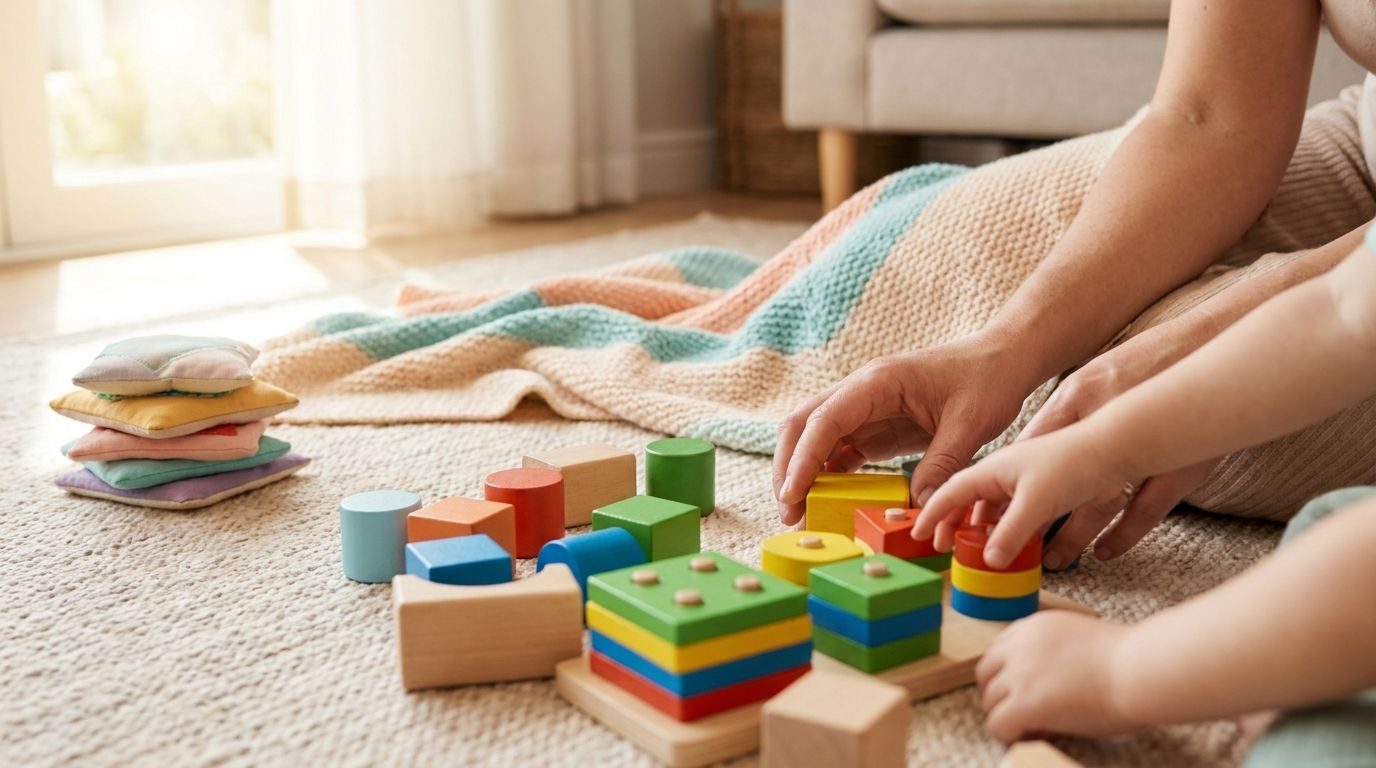
One evening, you found yourself cross-legged on the living room floor, surrounded by a small disaster of crayons and paper scraps. Your child, eyes wide, was practically vibrating with the need to tell you something. "Mom, did you see how I helped Flicko calm down Bluster?" You smiled, and that particular kind of warmth settled in your chest. The kind that makes the hard days feel worth it.
Ziggyloo's interactive games are built for kids aged 3-10, especially kids who learn differently. They don't just entertain. They give children a real platform for growth, self-discovery, and the kind of quiet confidence that sneaks up on you.
Here are some ways to get the most out of these games while making sure your child feels seen every single step of the way.
Understanding the interactive learning landscape
Before diving into the games, take a moment to think about what interactive learning actually looks like for your child. It's participation, engagement, fun. When your child plays a Ziggyloo game, they aren't sitting back absorbing information passively; they're making decisions, solving problems, and experiencing the results of those choices inside a safe little world where mistakes don't sting.
A 2022 study from the National Center for Learning Disabilities found that educational games can improve cognitive skills by 30% in children with learning challenges. When your child helps Flicko the Cloudbot navigate a maze, they're reinforcing logical thinking in real time, mapping out routes, reconsidering, trying again. Basically training their brain to think critically and roll with new situations.
Pretty cool for something that looks like play.
Tips for engaging with the games
Join the fun. Sit down and play alongside your child. You'll witness their learning process firsthand (and honestly, Flicko and Bluster are charming enough that you might get a little invested yourself). Throw a blanket over some chair backs, grab a snack, and make it an event. When learning feels like an adventure, kids lean in. Celebrate the small wins. Every completed level, every tricky moment your child pushes through, deserves recognition. A simple sticker chart works beautifully here. Each game completed earns a sticker, and watching that chart fill up gives kids a visible, tangible record of how far they've come. Champions in the making. Reflect together. After playing, ask open-ended questions. "What was your favorite part?" or "How did you feel when Flicko helped Bluster?" You might be surprised what comes out. Kids often say things like, "I didn't think I could do it, but when I figured it out, I felt really good!" Those moments are gold. They help children name their emotions, recognize their own problem-solving abilities, and build genuine self-worth.
Tailoring the experience to your child
Every child is unique, and that uniqueness extends to how they learn best. The good news is that Ziggyloo's games can flex to meet your child where they are.
- Choose games based on interests: If your child loves animals, lean into games featuring Chirp the Chicken or Boji the Tiger. If they're obsessed with space, there are games involving celestial navigation that can spark a whole new curiosity about the universe. Start with what already lights them up.
- Adjust game difficulty: Ziggyloo offers different difficulty levels, so don't hesitate to dial things back if your child is struggling. And if they're breezing through? Frame the harder levels as a new adventure. Something like, "I think you're ready for this next challenge. Let's see how far Flicko can go!"
- Utilize progress tracking: Ziggyloo gives you real feedback on how your child is doing. If a specific game reveals a shaky concept, bring it into everyday life. Struggling with counting? Turn snack time into a counting game with grapes, crackers, whatever's on hand. Learning sticks when it travels outside the screen.
Creating a routine around learning
Weaving Ziggyloo's games into your daily routine helps your child see learning as just a normal, enjoyable part of life. Not a chore. Just a thing you do.
- Set a specific time for play: After school, before dinner, whatever fits your family's rhythm. "After school, we play Ziggyloo for 20 minutes before dinner" gives your child something predictable to look forward to. Consistency is genuinely powerful for neurodiverse kids.
- Mix it up: Alternate between different games to keep things fresh. One day, emotional regulation with Bluster and Flicko. The next, problem-solving with Tavi the Elephant. You could even build a weekly plan together and let your child choose which games land on which days. Ownership matters.
- Encourage other learning avenues: Ziggyloo works beautifully alongside reading, arts and crafts, and outdoor exploring. If a game involves colors, follow it up with a scavenger hunt around the yard. Learning that connects across different experiences really does stick deeper.
Connecting with the Ziggyloo community
You are not doing this alone. The Ziggyloo community is full of parents who get it, because they're living it too.
- Join online forums or social media groups: Other parents are sharing strategies, swapping stories, and asking the same questions you have. Chances are, someone has already figured out a workaround for the exact challenge you're facing this week.
- Participate in community events: Watch for local meet-ups or online webinars hosted by Ziggyloo. A webinar on emotional regulation games, for instance, can hand you a whole new set of tools for helping your child navigate big feelings.
- Share your journey: Your story matters. Whether it's a small triumph like your child finally cracking a tricky level, or a broader insight about what's working at home, sharing builds real connections and gives other parents the encouragement they didn't know they needed today.
FAQ
How can I tell if my child is benefiting from Ziggyloo's games?
You'll notice improvements in their problem-solving skills, emotional regulation, and overall engagement with learning. Keep an eye on their confidence levels as they tackle new challenges within the games. If they express excitement about learning or discuss their favorite characters, that's a good sign of engagement.
Are the games suitable for all neurodiverse children?
Yes! Ziggyloo's games are designed to cater to a wide range of learning styles and preferences, making them accessible to many children, including those with ADHD, autism, and other learning differences. The variety in games means you can find something that resonates with your child, no matter their unique challenges.
How often should my child play the games?
Aim for daily interaction, even if just for a short session. Regular engagement helps reinforce learning and keeps the experience fresh. A daily routine could include a quick game session before bedtime, making it a part of their winding-down process.
What if my child becomes frustrated with a game?
It's normal for kids to feel frustrated at times. Encourage them to take a break, and remind them that it's okay to ask for help. You can suggest trying a different game or level as a reset. You might say, "Let's step away for a bit and come back to this. You've got this!" Challenges are part of the process, and framing them that way really helps.
Can I monitor my child's progress in Ziggyloo's games?
Absolutely! Ziggyloo offers progress tracking that allows you to see how well your child is doing in different areas. You can review which games they've played, their achievements, and any areas where they might need extra support. This insight can be invaluable for your discussions and planning future learning activities.
What should I do if my child doesn't want to play?
It's okay if your child doesn't feel like playing at times. Rather than pushing, try to understand their feelings. Ask what they'd rather do, or suggest a break and circling back later. Sometimes offering a choice between two games is all it takes to hand them back a sense of control and get them curious again.
After a game session, take a beat to appreciate the journey you're on together. The laughter, the small breakthroughs, the moment your child figured out how to help Flicko when they were sure they couldn't, all of it is part of something bigger. Every step forward counts, and you have a real gift for turning hard moments into chances for your child to grow.
So embrace the crayon mess and the loud celebrations and the occasional frustrated tears. You're doing something wonderful. Keep playing, keep reflecting, and keep marking those wins, because every single one of them matters. Ziggyloo is here for all of it, right alongside you.
Join the conversation
Subscribe to comment
Join the Ziggyloo family newsletter to leave a comment — and get gentle learning tips and community stories in your inbox. No spam, unsubscribe anytime.