
Meet Ziggyloo’s co-regulation crew: characters who help kids feel safe to learn
When learning feels scary, brains hit pause. Meet Ziggyloo’s co-regulation crew and steal the exact calm moves you can use tonight.
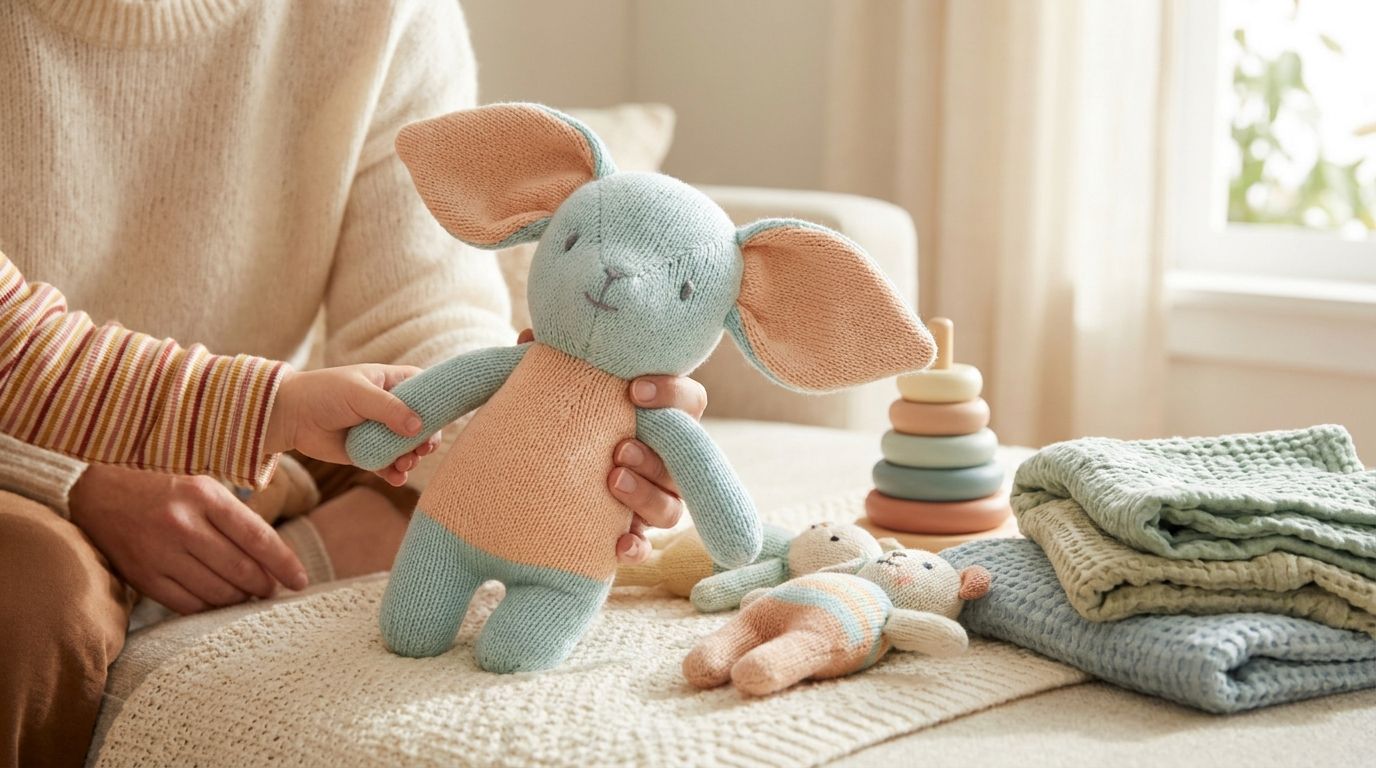
You know that moment. It's 4:47 pm, the kitchen is loud, and you're holding a math worksheet like it's a tiny, paper-sized dare.
Your child looks at it, then looks away. Their shoulders tighten. The words you planned to say feel wrong the second they leave your mouth. So you do what you always do: you try to encourage harder, like that will magically switch the alarm off inside their body.
Then you hear it. Not a voice, not exactly. More like a shift. A small exhale. A pause that says, I can try again.
That is the feeling Ziggyloo aims for with its co-regulation crew. These Ziggyloo characters help you create a safe learning environment by lowering the emotional temperature first, and once the body feels safer, learning becomes possible again.

With Ziggyloo's adaptive learning system, co-regulation happens alongside the learning, not after the learning falls apart. You are not "fixing" your child's emotions. You are helping them feel safe enough to use their brain.
Why "safe learning" is not a vibe
Safe learning environment is not about keeping everything perfect. It is about reducing the chances that your child's nervous system will treat learning like danger.
If you have a neurodiverse kid, you already know this in your bones. Some children can take feedback, switch tasks, and handle new steps with steady confidence. Others need their body to settle first, even when the task is something they actually like.
When your child feels unsafe, their attention narrows. Working memory shrinks. Their "I can do this" voice gets quieter. You can watch it happen in real time, in the way they white-knuckle the pencil, in the way they stare at nothing, in the way they suddenly need water, or a different chair, or "just one more hug."
And yes, sometimes you will still get the meltdown. Co-regulation does not erase hard feelings. It helps you meet the feelings with steadiness, so the learning window stays open longer.
Here is what co-regulation looks like in practice: you, staying warm and predictable while you guide the next tiny step. It sounds simple. It is not always easy. But it is doable, because you are the constant.
The crew's job: lower the emotional temperature
Ziggyloo's co-regulation crew is made of characters who model emotional support in story form. They do not lecture. They do not demand "calm down." They help you name what is happening, offer a gentle reset, and then move into learning when your child's body is ready.
That matters for emotion coaching for kids. Emotion coaching is not a big speech about feelings. It is the short, steady rhythm of noticing, reflecting, and helping your child take the next step.
You can use that same rhythm even when you are exhausted. Especially then.
Meet the co-regulation crew: characters who help you help
Let's make this real. Think about the parts of your day that often go sideways.
It might be after school. It might be bedtime, homework, brushing teeth, or getting out the door on time. Any time your child has to switch gears, follow steps, or handle frustration, their body might decide it is too much.
This is where the crew becomes useful. You can borrow their tone and their moves, then adapt them to your child.
Zapz and Zennu: when the body feels like panic
Sometimes learning gets blocked by anxiety. Not the "I am worried" kind. The "my brain is racing and I cannot track instructions" kind.
Zapz is the Anxiety and Panic Gloom. When Zapz shows up, everything feels urgent and unsafe. Zennu is the Spark of Calm Awareness, and together they model the shift from runaway fear to steady noticing.
In real life, you might spot this when your child says "I can't" before they even try. Or when they ask the same question on a loop, like the answer will finally stop the alarm.
Try this co-regulation script when you see those signs:
- Say what you see: "Your body looks worried right now."
- Keep your voice slow: "We are safe. We can take one small step."
- Offer a tiny reset: "Let's breathe and then try just the first bit."
You are not arguing with their fear. You are giving their nervous system a new message.
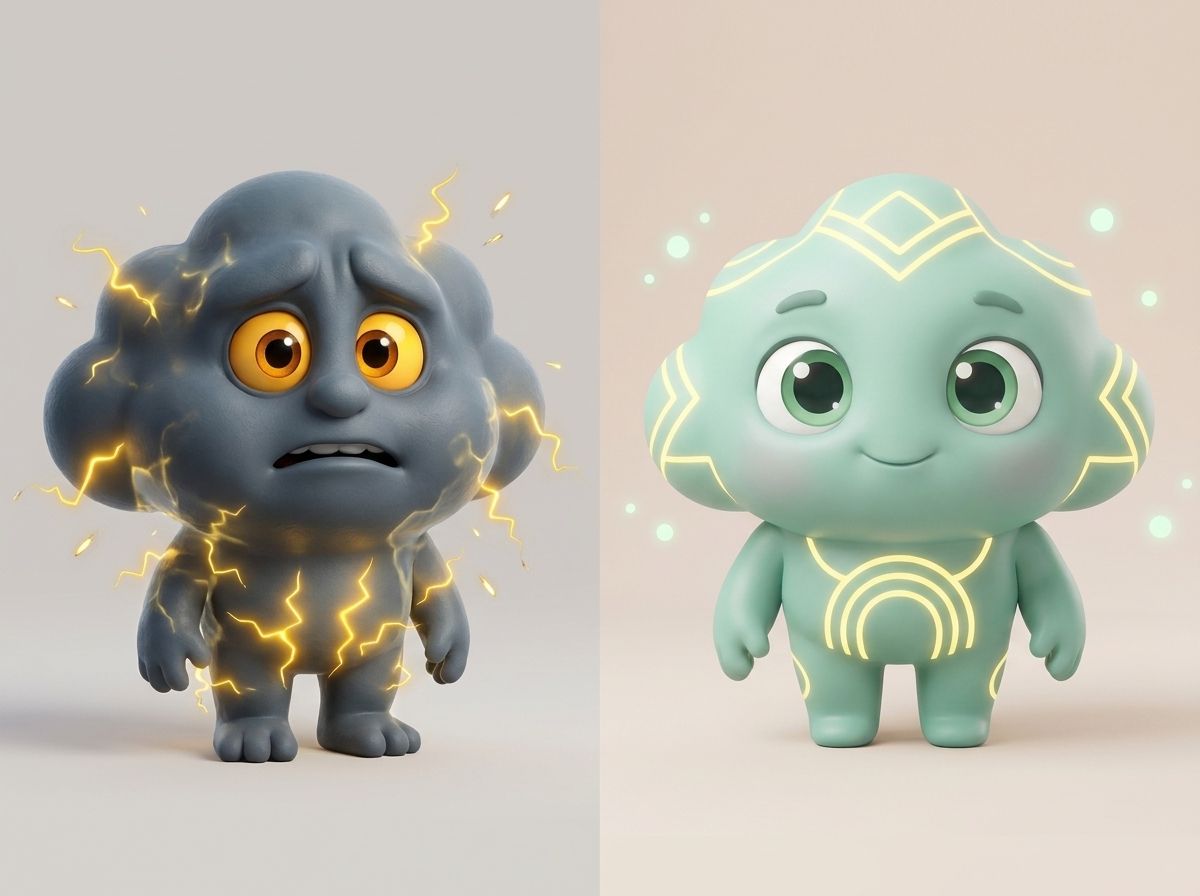
A safe learning environment often starts with a shorter task than your pride wants. If the worksheet is too much, you do one problem. If the story is too long, you read one page. If the instructions are too many, you do one step and then check in.
That is Zennu energy.
Droofa and Drizzla: when sadness makes effort feel heavy
Another common block is sadness. Not always "I'm crying." Sometimes sadness looks like shutting down, staring at the ceiling, or moving through the room like they're wading through wet sand.
Droofa is the Sadness Gloom. Drizzla is the Spark of Compassion. Together they help you respond with gentleness instead of pushing.
If you have ever tried to cheer a child out of a slump and it made things worse, you are not alone. (I have tried the jazzy-hands approach. It does not always land.) Some kids do not need positivity. They need compassion.
Try emotion coaching for kids that fits the moment:
- Reflect the feeling: "This feels disappointing."
- Normalize without minimizing: "Sometimes learning feels hard and that hurts."
- Make effort smaller: "Let's do a quick try, then we can pause."
That last part is underrated. A pause is not giving up. It is helping the body regain strength.
If your child is sad about a mistake, you can also model a "repair" moment. "I missed that too. Watch me try again." You are showing that mistakes do not break the relationship.
Bluster and Flicko: when anger blocks thinking
Anger can look like defiance, but it is often a body signal. Too much input. Too little control. A task that feels unfair or confusing.
Bluster is the Anger and Defiance Gloom. Flicko is the Spark of Patience and Warmth.
When Bluster is loud, your child might argue, refuse, or escalate fast. You might feel the urge to correct, warn, or threaten consequences. In the moment, those things can make sense in your head, but in your child's body, they can land like another threat.
So you co-regulate first, then you teach.
A Bluster-friendly approach:
- Lower your pace: slower voice, fewer words.
- Name the need: "You feel really mad. You need help, not pressure."
- Offer a choice: "Do you want to try for 30 seconds or take a 2-minute break?"
Choice is not letting them run the show. Choice is restoring a sense of control.
Once the anger softens, learning can resume. Flicko energy is warm and steady, even when you are annoyed.

Gragg and Glowbe: when obsession makes it hard to shift
Some kids get stuck on one idea. Not because they are being difficult. Because their brain is clinging to certainty.
Gragg is the Greed and Obsession Gloom. Glowbe is the Spark of Generosity and Contentment.
When your child is stuck in Gragg mode, transitions can feel impossible. They might fall apart when you say "we have to stop," or keep repeating a question because they are trying to solve the puzzle inside their own head.
Co-regulation for this looks like building a bridge, not yanking the rug.
Try these moves:
- Give a heads-up that is specific: "You have two minutes left on this."
- Use a visual cue: a timer, a countdown, or a "finish line" marker.
- Offer a "next thing" that is already chosen: "After this, we do one short round of the game."
Glowbe energy is contentment with a next step.
And if your child needs more time, that is information, not a failure.
Practical ways to use the crew in your everyday routine
You do not need to memorize character lore. You need a handful of repeatable moves you can reach for when your child's brain is not cooperating.
Here are four takeaways you can try this week. Pick one. Use it for a few days. Then tweak it.
1) Start with the body, not the task
If your child is dysregulated, the task is not the main event. The main event is safety.
You can tell by the signs:
- voice gets louder or shuts down
- hands fidget or grip tighter
- instructions get ignored even when they usually work
When you see those signs, do less task and more co-regulation.
A simple line you can reuse: "Let's get your body ready, then we try again."
2) Use emotion coaching in short bursts
Long explanations rarely help in the heat of the moment. Short reflection helps.
Try this pattern:
- "I notice…"
- "It makes sense that…"
- "We can…"
It is not a script you read like a robot. It is a way to keep your tone steady while you guide the next step.
3) Make the next step smaller than the last attempt
Neurodiverse learning often needs step sizes that match the child's moment-to-moment capacity.
If your child struggled with five steps, try one. If they struggled with one, try half. If they can do half but not the whole thing, that is progress.
This is how you build trust. Your child learns that learning is for them, not against them.
4) Keep your "yes" available
A safe learning environment needs frequent low-stakes wins.
That might be:
- starting with something they already can do
- letting them choose between two options
- using a timer so the break is predictable
You are not bribing. You are making it possible to re-enter the learning window.
With Ziggyloo's adaptive learning system, that kind of re-entry matters because the support is tailored to your child's needs, not built around generic expectations.
And yes, you will still have days where nothing works. On those days, your job is not to "fix learning." Your job is to protect the relationship.
What this looks like in a real evening (the scene you might recognize)
Let's go back to that kitchen moment.
Your child is staring at the worksheet. Jaw tight. They are not being "difficult." They are flooded.
So you do something different. You stop trying to get them to perform.
You say, "I can see this feels too big right now." You keep your voice calm, even if your brain is shouting, Please just do the page.
Then you offer a choice that is real: "Do you want to do the first question together, or do you want a two-minute break first?"
They choose the break.
You get them water. You sit near them, not in front of them. You let the silence exist for a minute.
Then you come back and you pick one tiny step.
You do not say, "Try harder." You say, "We are just doing one."
The first question might not be perfect. But something shifts. Their shoulders drop. Their eyes track. Their brain re-enters.
That is co-regulation. That is safe learning environment in action.
And later, you can talk about what happened. Not during the storm. After the storm.
Common questions from parents who are doing their best
You might be wondering a few things. Let's name them.
Will my child learn if we focus on feelings first?
Yes, because feelings drive access. When your child feels safe, their brain can process instructions. When they feel unsafe, even a simple task can feel impossible.
Emotion coaching for kids is not separate from learning. It is part of the learning pathway.
What if I get annoyed?
You will. You're human. The trick is not never getting annoyed. The trick is repairing quickly.
When you notice your tone getting sharp, pause. Take a breath. Then say something like, "I got frustrated. I am here. Let's try again."
That repair teaches safety.
What if my child doesn't want comfort?
Some kids do not want hugs or "talking." That is okay.
Co-regulation can look like space, a quieter room, a timer, or a shorter task. You can still reflect feelings without forcing closeness.
Safe learning environment does not mean constant togetherness. It means predictable support.
FAQ
How do I use co-regulation when my child is already melting down?
Start with fewer words and more steadiness. Reflect what you see, offer a tiny choice, and shrink the task to something your child can do right now or pause without guilt. Once the body settles, you can return to learning.
What is emotion coaching for kids in everyday terms?
It is noticing what your child is feeling and telling them in a simple way. Then you help them take the next step, usually smaller than the last attempt. It is not a lecture and it is not a test.
Does this work for neurodiverse learning styles like ADHD or autism?
It can, because the core idea is the same: safety and regulation affect attention and memory. Kids with different profiles may need different supports, but co-regulation is a helpful foundation for learning.
How do Ziggyloo characters help if I am not reading stories all day?
You do not need to read constantly. You can borrow the tone and the moves from the characters during real moments. With Ziggyloo's adaptive learning system, the support you see in the app is designed to match what your child needs in the moment.
A closing that says you are not failing
If you have ever felt like learning is a wrestling match, I see you.
You are not doing something wrong. You are responding to real nervous systems. Your child is trying to survive their day the best they can, and you are trying to help them access learning without breaking them.
The co-regulation crew is a reminder. Safety comes first. Warmth comes first. Then learning.
Tonight, pick one tiny co-regulation move. Name the feeling. Offer a small choice. Shrink the next step. Then let your child see that you will stay steady while they learn.
That is the win.
Join the conversation
Subscribe to comment
Join the Ziggyloo family newsletter to leave a comment — and get gentle learning tips and community stories in your inbox. No spam, unsubscribe anytime.