Meet Ziggyloo's eco-friendly characters: inspiring future environmentalists
Discover how Ziggyloo's characters can nurture environmental awareness in your child while celebrating their unique learning journey.
The morning sunlight cuts across the kitchen counter while you're pouring cereal with one hand and half-listening with the other. Then your child's voice shoots up over everything: "Look, Mom! Ziggy says we can help the Earth!" And just like that, you're wondering how to actually fan that spark, in a way that fits your kid's brain, your kid's pace, your kid's world.
That's exactly where Ziggyloo's characters come in. They're not just cute faces on a screen. Each one carries values that make environmental education feel personal, not like a homework assignment. Let's talk about who they are and how they can genuinely help.
Who are Ziggyloo's eco-friendly characters?
Ziggyloo's characters include a delightful mix of creatures, each with their own special traits that contribute to environmental awareness. Let's meet a few of them:
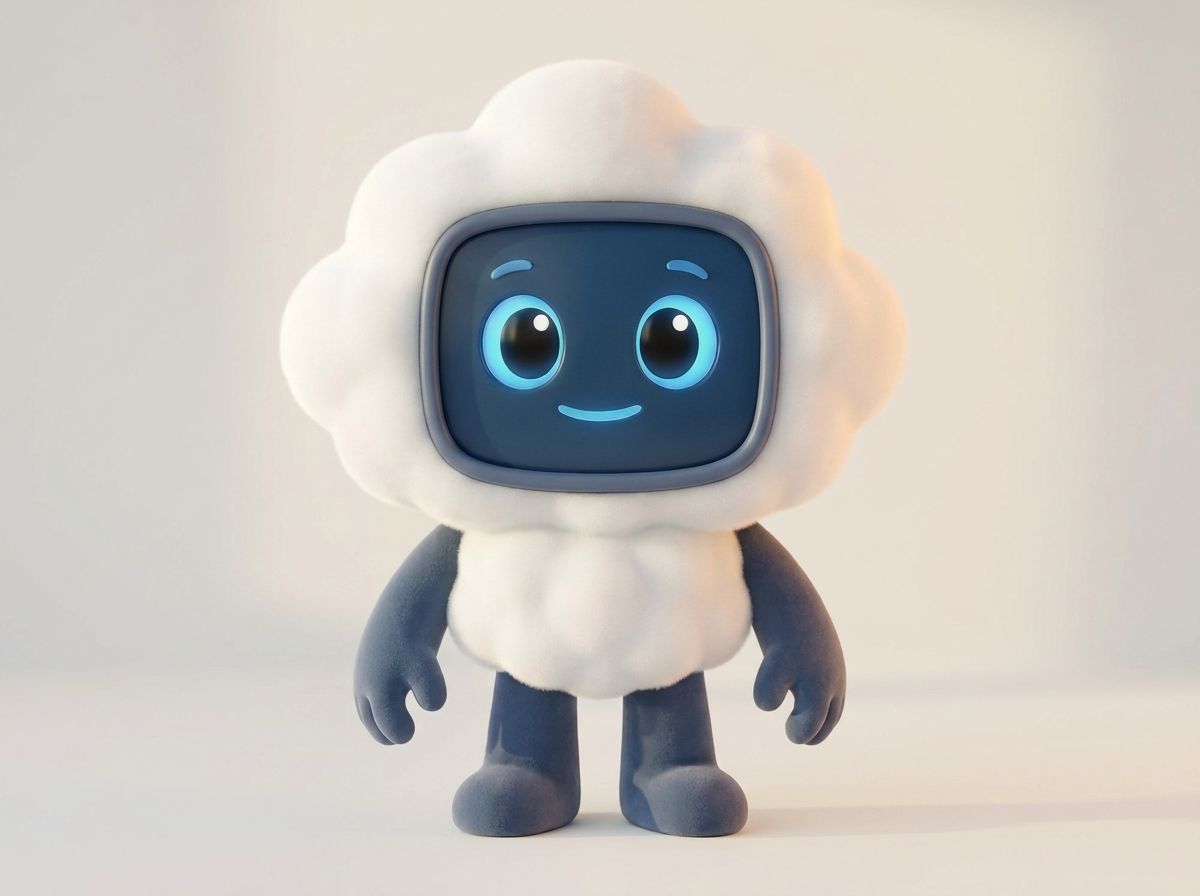
- Ziggy (Cloudbot): Ziggy teaches children about the importance of clean air and how trees help to keep our planet healthy. He encourages kids to appreciate the trees in their neighborhoods and understand their role in combating pollution. Ziggy often shares fun facts, such as how one tree can absorb about 48 pounds of carbon dioxide each year.
- Korra (Blue Dragon): Korra is all about water conservation. She shares fun facts about the water cycle, like how about 70% of the Earth's surface is covered in water, yet only a small fraction is fresh water we can use. Her adventures often take place near rivers, lakes, and oceans, where she shows kids the beauty of water and the importance of keeping it clean. For instance, Korra might help a friend fix a leaky faucet to save water.
- Brolly (Brontosaurus): Brolly represents the importance of biodiversity. He helps children understand that every creature, big or small, plays a role in the ecosystem. His stories often involve teamwork with other characters to protect their habitat. For example, Brolly might team up with Kiki the Bunny to plant flowers that attract bees, teaching kids about the critical role pollinators play in our food supply.
- Snoot (Polar Bear): Snoot is a gentle reminder of climate change and its impact on wildlife. Through his experiences, children learn about the effects of global warming and the simple steps they can take to reduce their carbon footprint. Snoot's stories often include actions like recycling, reducing plastic use, and using energy-efficient appliances, which can be relatable and actionable for kids.
These characters make environmental education accessible for neurodiverse children, who often thrive on visual and interactive learning. With Ziggyloo's adaptive learning system, your child can engage with each character in ways that actually match how their brain works best.
Practical ways to inspire environmental stewardship at home
Here's the good news: nurturing your child's interest in the environment doesn't require a total lifestyle overhaul. Small, consistent moments do the heavy lifting. Here are some ways to weave Ziggyloo's characters into everyday life.
1. Create an eco-friendly play area
Transform a corner of your child's playroom or bedroom into an eco-friendly zone. Use recycled materials for crafts, cardboard boxes, paper rolls, old magazines, and let your child make art from things that would've gone in the bin. Display posters of Ziggyloo characters tied to environmental themes like water conservation and recycling.
You can even build a mini-garden using pots made from recycled containers, giving your child a front-row seat to plant growth and care. That hands-on experience reinforces what Ziggy and friends are already planting in their imagination.
2. Go on nature walks
Take regular walks outside and turn them into a scavenger hunt. Make a list together: a specific leaf shape, a bird, a ladybug, whatever feels exciting to your child that week. Then weave in the characters. Spot a butterfly? That's a perfect moment to talk about how Brolly plants flowers so pollinators have somewhere to land.
These outings don't need to be long or elaborate. Even a fifteen-minute walk around the block, with a good story attached, can stick for days.
3. Engage in community clean-ups
Participating in local clean-up events teaches your child that caring for the planet is something people do together, not just in cartoons. Websites like Keep America Beautiful (established in 1953) have resources for finding family-friendly volunteer events near you.
Bring a stuffed Ziggy or a little toy version of one of the characters along as a mascot. It sounds small, but it creates a real through-line between the stories your child loves and the action they're taking in the real world. "Look, Ziggy is helping us clean the park!" goes a surprisingly long way.
4. Discuss environmental issues
At dinner, or during a quiet evening wind-down, gently introduce topics your child is already curious about. Keep the language simple and concrete, and connect everything back to the characters. You might ask, "What do you think would happen if Snoot and his friends lost their ice?" That single question can open up empathy, critical thinking, and real conversation, without it feeling like a lesson.
Celebrating small victories
Every step counts. Seriously. Did your child remember to turn off the tap while brushing their teeth? Fantastic. Did they help sort the recycling without being asked? That's a genuine win worth celebrating.
Naming these moments out loud builds your child's sense of pride and responsibility. It also connects their real actions to the characters they love. "Just like Korra saves water, you did that today!" isn't just cute. It's how values actually take root.
Encouraging creativity
Have your child invent their own character or story inspired by Ziggyloo's world. Maybe a new animal who helps save water, maybe a story where Brolly protects a whole forest with a team of unlikely friends. This kind of creative play lets them own the values, not just receive them.
DIY projects work beautifully here too. Building a birdhouse together from scrap wood or recycled materials gives you something to make with your hands while you talk about how Brolly cares for every creature, big and small. Honestly, those side-by-side building moments are where some of the best conversations happen, no agenda required.
FAQ
Why is environmental education important for neurodiverse children?
Environmental education can be especially beneficial for neurodiverse children as it often involves hands-on experiences and creative learning. These approaches resonate well with different learning styles and can foster a sense of connection to the world around them. Engaging with nature and the environment can also provide sensory experiences that are calming and grounding.
How can I make environmental topics relatable for my child?
Using characters that your child loves, such as those in Ziggyloo, helps make complex concepts more relatable. Incorporate storytelling, play, and real-life experiences to engage their curiosity and understanding. You might also use simple analogies, like comparing recycling to a treasure hunt where you find new uses for old items.
What if my child struggles with change?
It's perfectly normal for children, especially neurodiverse ones, to resist change. Introduce new concepts gradually and use positive reinforcement. Celebrate small successes to build confidence and encourage them to embrace new ideas about caring for the environment. You could create a reward chart where they earn stickers for each sustainable action they take, making the process fun and rewarding.
Can Ziggyloo's characters help with my child's emotional regulation?
Absolutely! Characters like Bluster and Flicko can support emotional regulation by teaching children about their feelings in relation to environmental challenges. This connection can help them express emotions while learning about the importance of empathy and responsibility towards the planet. For instance, you might use a story about Bluster feeling angry when he sees pollution, and then see how Flicko helps him find a positive way to cope, like organizing a clean-up.
How can I incorporate technology into environmental education?
Technology can be a fantastic tool for enhancing environmental education. Many apps and websites focus on nature and conservation, allowing your child to explore eco-friendly practices in an interactive way. For example, apps like iNaturalist can help them identify plants and animals in their local environment. You can even use virtual field trips to visit national parks or aquariums, connecting back to Ziggyloo characters and their adventures in nature.
What are some easy eco-friendly practices to start with?
Start with the basics: recycling, conserving water, swapping to reusable bags. Make it a family thing rather than a chore your child does alone. A dedicated recycling station at home works well, your child sorts the materials while imagining how Ziggy and Korra would handle it. Little by little, these habits stop feeling like habits at all.
Closing thoughts
You are not doing this alone. Ziggyloo's characters are genuinely here to walk alongside you and your child, through the messy, joyful, muddy-hands work of learning to love this planet. Celebrate the curiosity. Celebrate the questions. Celebrate the moment your kid turns off the tap without being asked.
Every small action ripples outward. And you're raising the kind of kid who'll keep making those ripples long after the cereal bowl is empty.
Join the conversation
Subscribe to comment
Join the Ziggyloo family newsletter to leave a comment — and get gentle learning tips and community stories in your inbox. No spam, unsubscribe anytime.