Meet Ziggyloo's favorite characters: building connections through stories
Discover how Ziggyloo's beloved characters can help your neurodiverse child connect, learn, and grow through engaging stories.
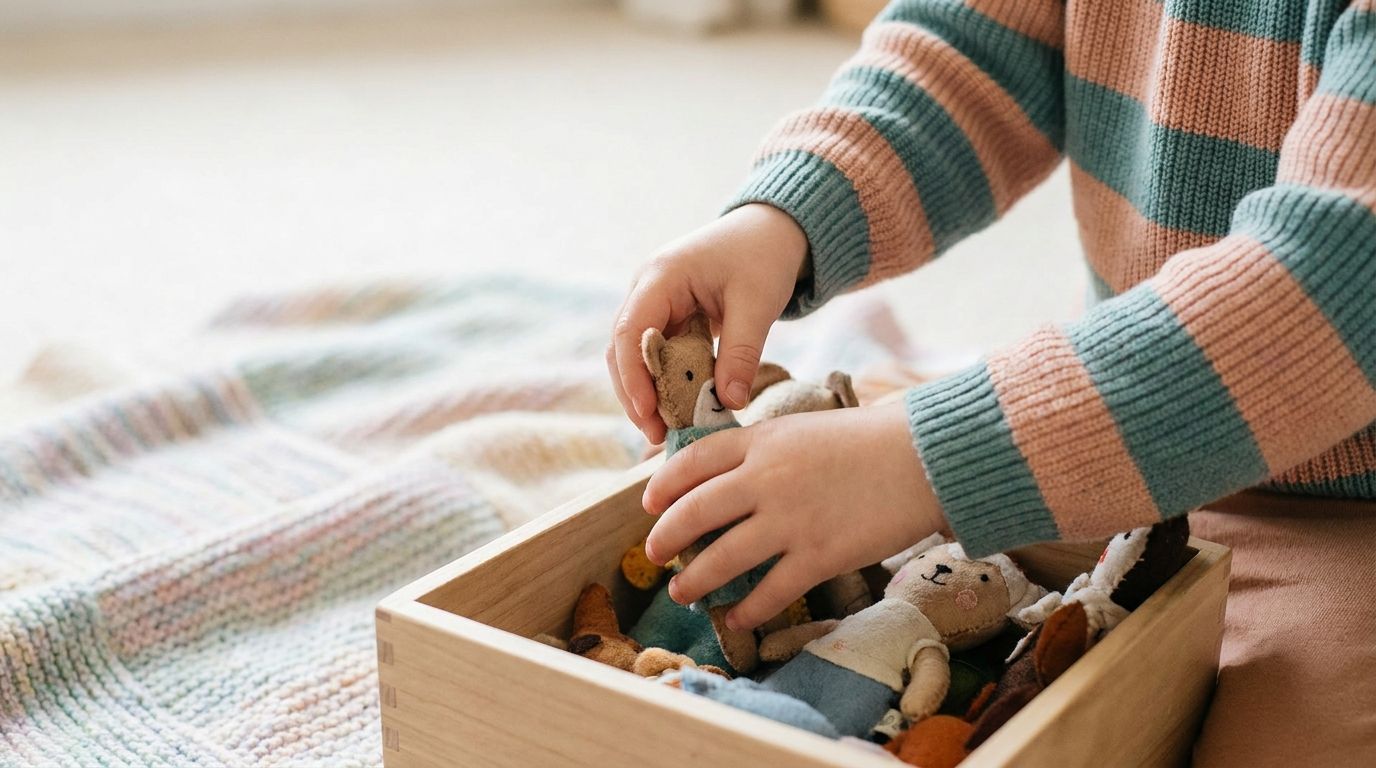
It's a rainy Saturday morning. You're curled up on the couch with your child, a blanket pulled tight around both of you, rain tapping the window like it has nowhere better to be. Your child leans in closer, completely absorbed by the story of Bluster and Flicko - two characters who stumble through big feelings together, just like real kids do. You both giggle at Bluster's antics, then exhale quietly when Flicko shows up with his particular brand of warmth. Those moments? They're the whole thing, aren't they?
Ziggyloo isn't just a learning companion - it's a whole universe of characters built to mirror your child's actual experiences. Each one carries a story, a lesson, a flash of recognition that can spark joy or crack open a conversation you didn't know how to start. Let's dig into who these characters are and how they can support your child while giving you, the parent in the trenches, a few new tools.
The power of storytelling in learning
Stories connect us in ways that a straightforward "let's talk about your feelings" conversation almost never does. For neurodiverse children especially, a character's struggle can land softer than a direct lesson - it's someone else's problem first, which makes it easier to look at.
Take Bluster, the Anger and Defiance Gloom. He's not a villain. He's a walking, grumbling embodiment of the emotions your child already knows - the ones that show up loud and uninvited at the worst possible moment (usually in a grocery store, in our experience). When your child watches Bluster wrestle with his anger, they see themselves reflected back without judgment. Feeling angry isn't the problem. What we do with it - that's the whole lesson.
And then there's Flicko, the Spark of Patience and Warmth, Bluster's counterpart. Flicko is the deep breath, the gentle reminder that kindness toward others starts with a little kindness toward yourself. When you share these two characters' stories together, you're not just filling storytime - you're handing your child an emotional vocabulary they can actually use.

Making connections through character interactions
Some children find it genuinely easier to connect with a character than with another person. That's not a limitation - it's a doorway. And Ziggyloo's cast is designed to swing it wide open.
Consider Bramble, the lovable bulldog who's always ready to lend a paw. Bramble is loyalty made tangible, the kind of steady, show-up-no-matter-what friendship that can feel confusing or even elusive for children navigating social dynamics. If your child is struggling to understand what a real friend looks like, Bramble's adventures give you a starting point: "What do you think Bramble would do here?" Suddenly the conversation isn't about your child's specific painful situation - it's about a bulldog, which is so much less scary.
You can also invite your child to create with these characters. Maybe they want to narrate their Tuesday through the eyes of Tavi, the Elephant. That kind of creative retelling helps children process what actually happened while building storytelling confidence along the way. When a child spots their own reflection in a character, something shifts - a small, quiet sense of I belong here too.
Exploring emotions with Ziggyloo characters
Understanding your own emotional landscape takes practice. Years of it, honestly. Characters like Zapz and Zennu give children a safe place to begin that work without it feeling like work.
Zapz, the Anxiety and Panic Gloom, holds all those feelings that balloon up too fast and too big - the ones that seem impossible to explain to a grown-up who keeps saying "just calm down." But right beside him is Zennu, the Spark of Calm Awareness, who demonstrates that stillness is actually findable, even in the middle of the noise.
After reading about Zapz together, you might pause and ask your child if they've ever felt something similar - that tight, too-much feeling. Then move into Zennu's calming strategies together. You're not diagnosing anything. You're just exploring, side by side, which is exactly the right pace.
These characters open the door to conversations about mental health and emotional regulation without requiring you to have a clinical answer ready. You don't need all the answers. You just need to stay curious alongside your child.
Practical tips for integrating characters into daily life
So you've met the characters - now how do you actually weave them into a regular Tuesday? A few ideas that work in real life, not just in theory:
- Storytime with a twist: Make reading interactive. After a Ziggyloo story, linger a little. "How do you think Bluster felt when…?" or "What would Flicko say to him right now?" These open-ended questions nudge critical thinking and give your child permission to voice what's going on inside them.
- Creative play: Use characters as jumping-off points for imaginative play. Set up a scenario and let your child act out how different characters might handle it. This builds emotional understanding and - bonus - it's genuinely fun.
- Artistic expression: Invite your child to draw or craft their favorite Ziggyloo character. Art has a way of saying things that words can't quite reach, and a picture of Bluster with crayon-red eyebrows tells you a lot about what a child is processing.
- Character journals: Start a journal where your child writes or sketches about their favorite characters - what those characters make them feel, what they've learned from them, what they wish they could tell them. Over time, it becomes a quiet record of their own emotional growth.
These aren't just activities. They're small, consistent bridges between story and real life.
FAQ
How can Ziggyloo characters help my child understand their emotions?
Ziggyloo characters embody specific emotions and challenges, which makes it easier for your child to recognize and name what they're feeling. Following their stories gives children a low-pressure way to learn emotional management - through someone else's experience first.
Are Ziggyloo characters suitable for all neurodiverse children?
Yes! Ziggyloo characters are designed to resonate with a wide range of experiences, making them relatable for many neurodiverse children. Their unique personalities cater to different emotional needs and learning styles.
How can I encourage my child to express their feelings through Ziggyloo stories?
Ask open-ended questions after reading together. Invite your child to share what they think about a character's choices or how a situation made them feel. Role-playing and drawing are equally powerful - some kids express things through their hands that they'd never say out loud.
Can I use Ziggyloo characters to help with social skills?
Absolutely! Characters like Bramble are fantastic anchors for conversations about friendship and loyalty. Building scenarios around these characters lets your child practice social interactions in a context that feels playful and safe rather than high-stakes.
---
As you close this particular chapter with Ziggyloo's characters, here's what we want you to hold onto: you are not doing this alone. Every stumble, every snort-laugh, every tear wiped off a small cheek - it all counts. These characters are here to walk alongside you and your child, not to replace your instincts but to give them a little backup.
So pull that blanket back around both of you, pick a character, and let the story do what stories do best. You're doing something remarkable. Every single step of it matters.
Join the conversation
Subscribe to comment
Join the Ziggyloo family newsletter to leave a comment — and get gentle learning tips and community stories in your inbox. No spam, unsubscribe anytime.