
Parenting together: building a supportive community for neurodiverse families
Discover how to create a nurturing network for your neurodiverse family, fostering connections that empower and uplift everyone.
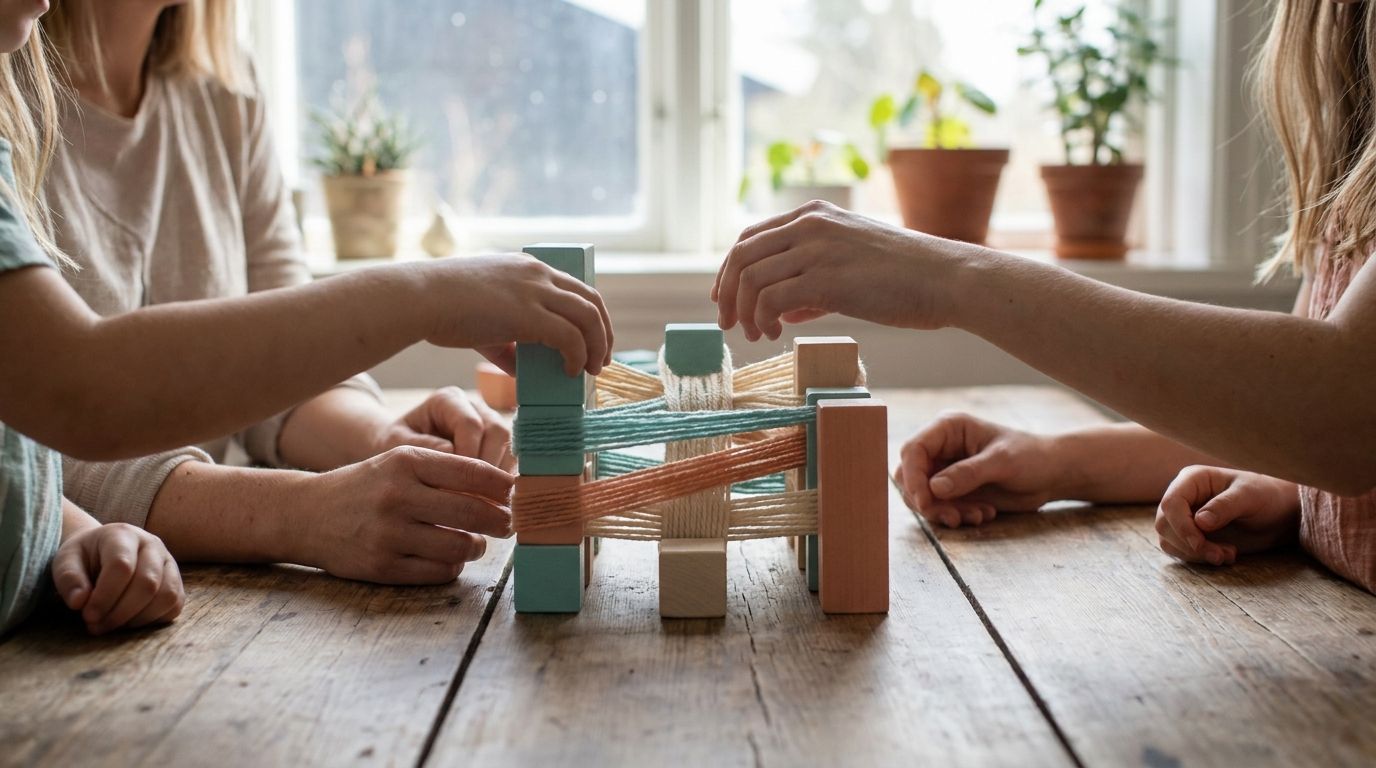
In the quiet of a late afternoon, you find yourself scrolling through social media, glancing at pictures of friends laughing at the park. Your heart sinks a little. You wish you had that kind of community, one that truly gets the texture of parenting a neurodiverse child, the 7 AM meltdown before school, the therapy waitlists, the small victories nobody else notices. You're not alone in feeling this way. Building a supportive community for neurodiverse families can genuinely transform your parenting experience, offering connection, understanding, and the kind of encouragement that actually sticks.
Creating this kind of network takes time and real effort. But it's worth every moment. Here's how you can start.
Connect with local support groups
One of the best places to begin is by connecting with local support groups. Many communities have organizations specifically for parents of neurodiverse children. Lisa, a mother of a seven-year-old with ADHD, found her footing in a local group that meets every month at the community center. The first time she attended, she walked in feeling overwhelmed and uncertain, but by the end of the evening she left with a new friend and a handwritten list of resources she'd never heard of before.
These groups offer more than emotional support. They help you navigate school systems, therapy options, and social activities that are actually inclusive for your child. Reach out and see what's available in your area. It could be the lifeline you didn't know you needed.
Utilize online forums and social media
If local options feel limited, the internet opens things up considerably. Online forums on Reddit or Facebook groups dedicated to neurodiverse parenting can connect you with parents from all over the world who are living a version of your same story.
Take Sarah. After joining an online group for parents of autistic children, she found a wealth of advice on everything from sensory-friendly activities to handling public meltdowns without losing her mind (and her dignity). The shared experiences made her feel less isolated and gave her practical ideas she could try that same week.
Just remember to engage respectfully and stay mindful of differing opinions. These spaces can be incredible, but they can also be a lot. Set some limits on your engagement to keep the experience a positive one.
Attend workshops and educational events
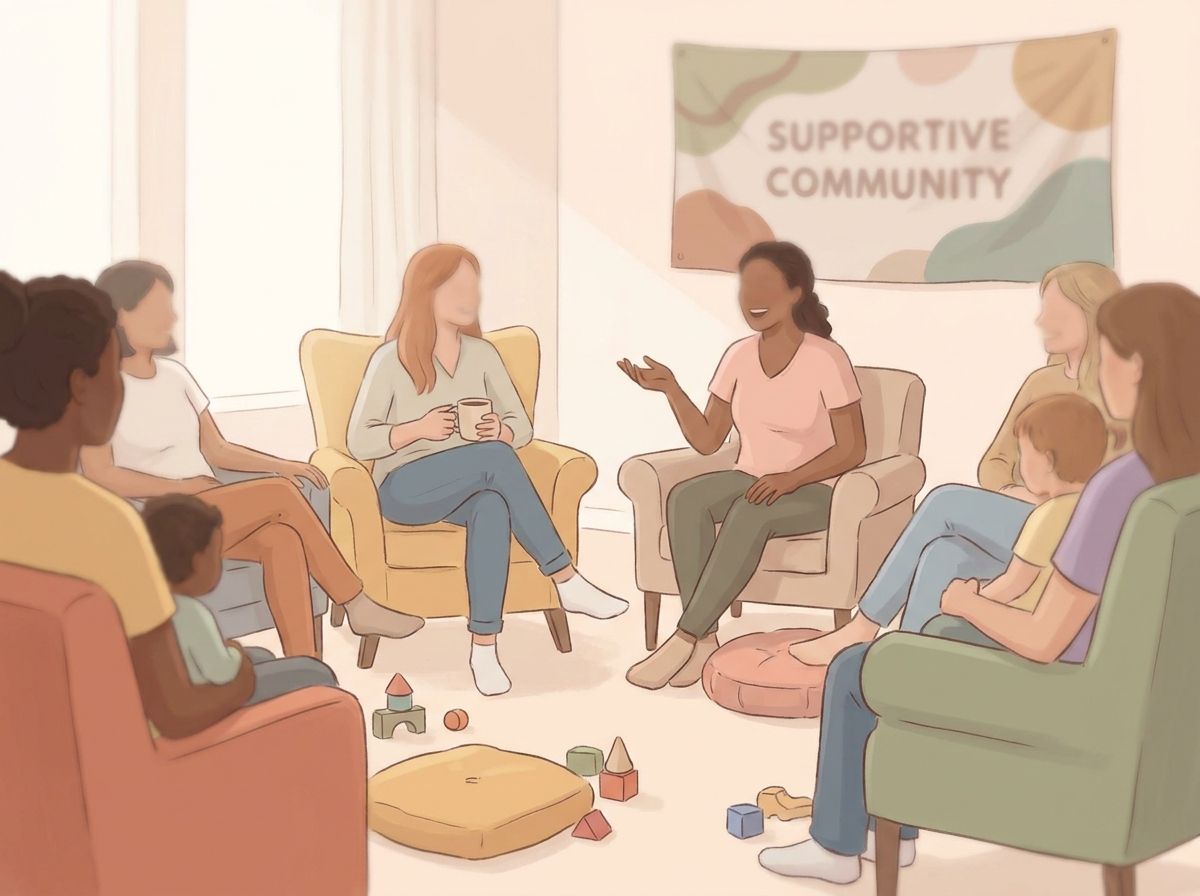
Workshops and educational events are another fantastic way to build your circle. Look for events hosted by local schools, therapists, or organizations focused on neurodiversity. They deliver solid information and, just as usefully, they put you in the same room as parents who are navigating similar terrain.
When Carla attended a workshop on executive functioning, she didn't expect to make a friend. But she ended up sitting next to Jenna, whose son had almost identical struggles. They swapped numbers and started meeting for coffee, trading strategies and checking in on each other when things got hard. That's the thing about these events: the professional insight is valuable, but the parking-lot conversation afterward can change everything.
Collaborate with other parents for playdates
Playdates can connect parents just as much as kids. Consider reaching out to families in your neighborhood or through school. And when you're setting them up, think about what will help everyone feel comfortable, not just your child.
Tom and Sara organized a playdate at their home for their son, who has sensory sensitivities. They invited a few families with children who had similar needs, set up quiet corners, kept the lighting soft, and stocked up on sensory-friendly toys. The kids bonded. The parents found common ground. Everyone went home with a few new ideas and, more importantly, a sense that they weren't doing this alone.
Advocate for inclusive community spaces
Sometimes building a supportive community means pushing for change. You can be a voice in your local area, advocating for more inclusive spaces and events, whether that's partnering with schools to create sensory-friendly days or lobbying for better recreational programming.
When Kelly noticed that local parks lacked accessible play equipment for children with disabilities, she rallied other parents and brought their concerns directly to local officials. Together, they secured funding for inclusive playground equipment, creating a space where every kid could actually play. Not just some kids. All of them.
Advocating can feel daunting at first. But every small step counts, and you're not just helping your own child. You're clearing a path for families who come after you.
Create a family support network
Don't overlook the people already in your life. Sharing your journey with grandparents, aunts, uncles, and cousins, and really educating them about your child's needs, can open up support you didn't expect to find.
When Rebecca introduced her daughter's specific needs to her extended family, her sister-in-law stepped up immediately. Together they built a rhythm of regular family gatherings that included sensory-friendly activities, which gave Rebecca's daughter a genuine sense of belonging and gave Rebecca herself some much-needed breathing room. (Sometimes the help you need most is just someone who shows up and gets it.)
Share your journey through storytelling
Don't underestimate the power of telling your story. Sharing your experiences through a blog, social media, or even a local newsletter can reach parents who are quietly going through the same thing and wondering if anyone else understands.
Mark, a dad of a boy with dyslexia, started a blog about his family's day-to-day life. The messages he received from other parents surprised him, parents who felt seen for the first time in a long time. That connection grew into a monthly local meet-up, a real community built out of honest storytelling. Sharing your journey can spark conversations about neurodiversity and inclusion that your community genuinely needs to have.
FAQ
What are some ways to find local support for neurodiverse families?
Start by searching online for local support groups, organizations, or community centers focused on neurodiversity. Schools and pediatricians often have resources or recommendations as well.
How can I encourage my child to socialize with other neurodiverse kids?
Arrange playdates in a comfortable environment, focusing on shared interests. Activities like art, music, or sensory-friendly outings can help ease anxiety and promote connection.
Are online support groups effective?
Yes! Online support groups provide a platform for sharing experiences and advice. They can be especially helpful if local options are limited. Just remember to engage respectfully.
How can I educate my family about my child's needs?
Share information about your child's challenges and strengths. Invite family members to participate in activities that help them understand your child's perspective better.
What is the importance of advocating for inclusive spaces?
Advocating for inclusive spaces ensures that all children have access to play and socialization opportunities. It creates a more accepting community for neurodiverse families and promotes understanding.
Building a supportive community takes time, but each small step leads somewhere real. Start with one thing today. Reach out to a neighbor, join an online forum, or organize a playdate. You're building a network not just for your child, but for yourself and every other family out there navigating this same winding road. You're not alone in this. Together, we lift each other up.
Join the conversation
Subscribe to comment
Join the Ziggyloo family newsletter to leave a comment — and get gentle learning tips and community stories in your inbox. No spam, unsubscribe anytime.