
Sound-safari learning through listening, not performance
Turn “sit still and perform” into a sensory-friendly sound safari. You guide, your child listens, and learning happens quietly.
You can hear the moment before it happens.
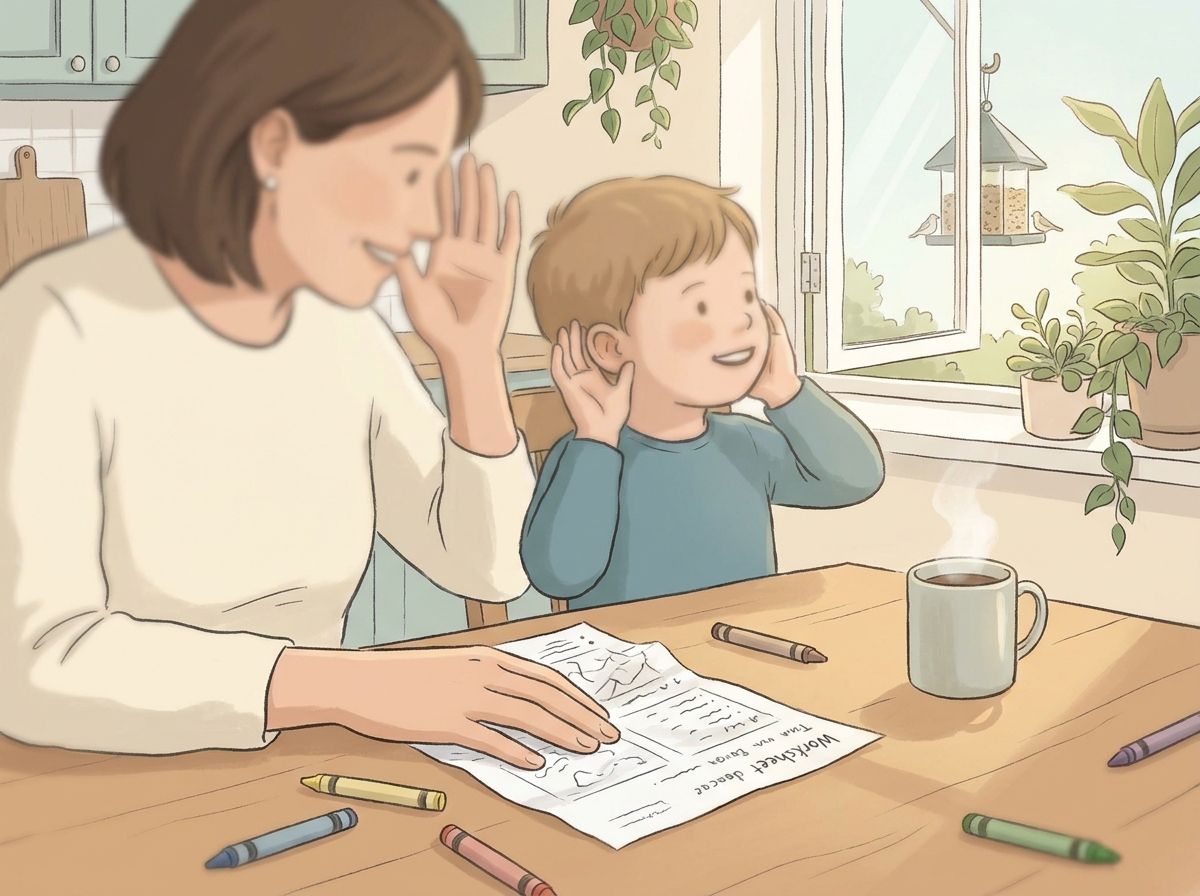
In the kitchen, the kettle is off but the hum is still hanging in the air. Your child is at the table, frowning at a worksheet like it personally offended them. Then you notice the rhythm: they keep tapping the tabletop, tracking the fridge click, waiting for the next sound cue.
So you do something different. You say, "Let's go on a sound safari. No talking rules yet."
And it works. Not because they suddenly become "good at school." It works because you meet their brain exactly where it is: auditory learning, not performance.
This is what Ziggyloo's biomes are built for. Sound activities for kids can be learning experiences that feel genuinely safe, not like a test you have to pass.
Why listening can be learning (even when it looks like "nothing")
The first time you try a sound safari, it can feel strange. Your child is quiet. They are not writing anything down. They are not firing off answers.
But quiet listening is still active. Their brain is sorting patterns, cataloguing sounds, tracking what came next. That is real processing happening, not laziness.
When your child is neurodiverse, "performance mode" can hijack the whole session. Some kids freeze the moment they feel watched. Others hit a wall of overwhelm: a roomful of voices plus a teacher asking questions plus a clock ticking in the background, all at once.
A sound safari sidesteps that. It gives structure without the spotlight. You control the environment, you choose the sounds, and you let your child respond in whatever way fits them that day.
Here is what that often looks like at home:
- Your child listens longer than you expected.
- They point, tap, or move instead of talking.
- They surprise you with what they remember later.
And if you have ever stood there thinking, "Are we doing this right?" you are not alone. (I have had that exact moment, standing in my own kitchen wondering if we were supposed to be doing more. Spoiler: you're not.)
Sound activities for kids become sensory-friendly learning when you keep the rules simple and the feedback gentle.
Build your sound safari: simple rules that reduce pressure
A sound safari is not a talent show. You are not auditioning your child. You are setting up a listening game that helps their brain feel organized.
Think of it in three parts: prepare, explore, and close.
1) Prepare the space so listening feels possible
You do not need a soundproof room. You need a predictable one.
One quick setup before you start:
- Pick one spot: kitchen table, hallway floor, car seat.
- Turn down competing noise if you can. TV off, music lower.
- Keep lighting steady so they are not splitting attention between bright chaos and trying to listen.
If your child is already dysregulated, you can still try it, just keep it shorter. Two minutes is genuinely enough.
2) Explore with "listen first, respond second"
This is the part that changes everything.
Instead of asking "What is that?" every time a sound happens, you let the listening land first. Try phrases like:
- "Listen for the next sound."
- "I'm going to make a sound. You decide what it reminds you of."
- "Show me with your body, not your words."
Then you offer response choices. Some kids need movement. Some need a quiet thumbs-up. Some do well pointing to a picture, some can only manage a nod, and all of that counts.
If you are using Ziggyloo biomes, think of them as a guided environment where the activity naturally lowers the "performance" pressure. With Ziggyloo's adaptive learning system, the game mechanics can match the pace and response style your child can handle that day.
3) Close with a soft landing
Sound games end differently than worksheets. Stop abruptly and some kids feel the switch like stepping off a cliff edge.
A soft landing can be as small as:
- "Last sound, then we're done."
- "We did listening. Now we pick a quiet spot."
- "Give your ears a rest."
That last line matters more than it sounds. It tells your child their nervous system is part of the plan.
Practical sound activities for kids you can start today
Below are sound activities for kids that work well for neurodiversity. None of them ask your child to perform. They ask for listening, noticing, and choosing.
Pick one and try it for a week. Repetition helps brains settle. Yes, it can feel repetitive to adult brains, but your child is not bored. They are building a map.
Activity 1: The three-sound safari
You make three sounds in a row. The goal is not to guess correctly. The goal is to notice the order.
Examples:
- Spoon tap on a mug, then paper crinkle, then foot stomp.
- Door click, then water pour, then cabinet close.
Rules you can use:
- "Listen. Don't talk yet."
- "Show me the order with three taps on the table."
- "If you want, you can tell me which sound you liked best."
Takeaway: When order is the target, kids do not have to hunt for "the right answer." They can focus on "what happened first." Auditory learning with training wheels.
Activity 2: Sound scavenger hunt (at home edition)
You turn the room into a listening map.
You can say:
- "Find me something that makes a soft sound."
- "Find something that makes a crunchy sound."
- "Find something that makes a long sound."
Then you let your child choose the object and make the sound once. Label it lightly if they can handle it: "That one is the crunchy sound."
If your child talks a lot, cap it at one sentence: "One word for the sound."
Takeaway: This turns sensory-friendly learning into real exploration. Your child is not pinned in front of a worksheet. They are moving through the world with their ears.
Activity 3: Rhythm echo with body choices
Rhythm is a bridge between listening and timing. But perfect beats are not the point.
Set up choices:
- Clap and stop.
- Tap your knees and pause.
- Pat the table and freeze.
You demonstrate a short pattern, two or three beats. Your child echoes it using their chosen body option.
If they miss, you can still count it as a win. You can say:
- "You heard it. That is the win."
Takeaway: Echo games train auditory discrimination and timing. They also give your child a clear turn-taking structure, which tends to lower anxiety a lot.
Activity 4: The "quiet yes" listening check
Sometimes you need to confirm understanding without putting speech on the table.
Ask a yes/no listening question:
- "Was that sound loud or soft?"
- "Did it sound fast or slow?"
Then your child responds with a "quiet yes" choice:
- Thumbs up for "yes, soft/slow."
- Thumbs down for "no."
- Or two different hand signs you pick together.
Takeaway: This gives auditory learning a response channel that genuinely fits neurodiversity. No forcing words when words are hard.
How Ziggyloo biomes make sound feel safer
Sound can be both a doorway and a wall. Some days your child's ears are extra sensitive. Some days they can tolerate more input. Some days they need fewer sounds, not more, and that is completely valid.
Biomes help because they make the learning environment predictable. They also shift the target from "performing" to "listening."
When you use Ziggyloo biomes as a model, you can borrow the same idea at home:
- Keep the environment consistent.
- Offer clear instructions that do not multiply.
- Let your child respond in the way that works for them.
You can even treat your home like a mini biome. The kitchen becomes Sound Safari Mode. The hallway becomes Echo Alley. The bedroom becomes Quiet Listening Grove.
And if you feel a little silly doing it, that is okay. Your child does not care if you sound silly, they care that the game feels safe.
When it flops: what to do in the moment
Sometimes you try a sound activity and your child melts down, shuts down, or disappears into the nearest pile of socks.
That does not mean you failed.
It means the moment is too big right now.
Try one adjustment, not ten:
- Shorten it. One sound can be enough.
- Lower the input. Choose quieter sounds.
- Change the response. If they cannot echo, let them point.
- Add a break. "Ears rest now. We can try again later."
If your child is in a tough emotional place, you can also shift the goal entirely. Instead of "listening game," the goal becomes "calm together." Sound can still help, you just go slower.
A simple reset you can try:
1) Put on a soft, steady background sound: fan, quiet music, or white noise.
2) Do one slow sound cue, like one gentle tap.
3) Let your child choose the next action, even if that action is just walking away.
Takeaway: Your child's nervous system leads. You follow.
Why this supports neurodiversity, not just a fun afternoon
You might have heard advice that frames things as "training" your child to act like everyone else.
That is not what we are doing here.
Sound activities for kids are a way to honor how your child actually takes in the world.
Auditory learning can be a genuine strength. Some kids learn best when they hear patterns, instructions, or rhythms. Others need sound to organize their attention in the first place. Many neurodiverse kids do well with clear sensory input paired with low-pressure response options.
And there is another layer: listening games build confidence. Not the "you're amazing at school" kind, the "I can do this game" kind. Confidence like "I can participate without being perfect."
That kind of confidence changes what comes next.
With Ziggyloo biomes, the goal is not to turn your child into a performer. The goal is to create learning moments that fit their brain, so they keep showing up.
Community question time: what sound game is already in your house?
Before you plan your next big activity, check your own routines.
Maybe you already do:
- "What sound is that?" in the car.
- Kitchen drumming while dinner cooks.
- Echoing animal sounds during stories.
If you already have those moments, you are not starting from zero. You are building on what already works.
And if you do not have anything like that yet? You are not behind. You are about to get one small win.
Pick one sound activity from above and try it twice this week.
Then notice what changes.
Does your child listen longer? Do they respond with less stress? Do they ask for it again?
That is your data.
FAQ
What if my child hates being asked questions during games?
Use listening games that do not require speech. You can swap questions for choices like "soft or loud?" with a thumbs sign, or "echo with your hands" instead of "tell me what it is." If they still resist, shorten the game to one sound and let them opt out.
Can sound activities work for kids who get overwhelmed by noise?
Yes. Choose quieter sounds and keep the number of sounds small. You can also use a steady background sound so the environment feels less unpredictable. If your child flinches, pause and switch to lower input.
How do I know if this is sensory-friendly learning or just distraction?
You will see it in the follow-through. After the game, your child can often repeat the pattern, remember what happened, or show interest in doing it again. If they seem calmer and more engaged, you are likely supporting their processing rather than just chasing stimulation.
Will this help with school skills like following instructions?
It can. Sound activities build listening, sequencing, and timing, which show up in everyday instruction-following. You can also mirror school-style steps by keeping your instructions short and consistent, like "listen, then tap."
Your next step, right where you are
Go back to the moment in your kitchen or car where your child is already listening. That is the clue.
Try one sound safari round today. "Listen first, respond second."
If it feels messy at first, that is normal. If it feels like a small win, that counts too.
You are not asking your child to perform. You are giving them a way to learn that fits their nervous system.
And you deserve that kind of support too.
Join the conversation
Subscribe to comment
Join the Ziggyloo family newsletter to leave a comment — and get gentle learning tips and community stories in your inbox. No spam, unsubscribe anytime.