
Teamwork and optimism at Meadow Barn with Chirp
Discover how teamwork and optimism can transform challenges into delightful moments at Meadow Barn with Chirp the Chicken.
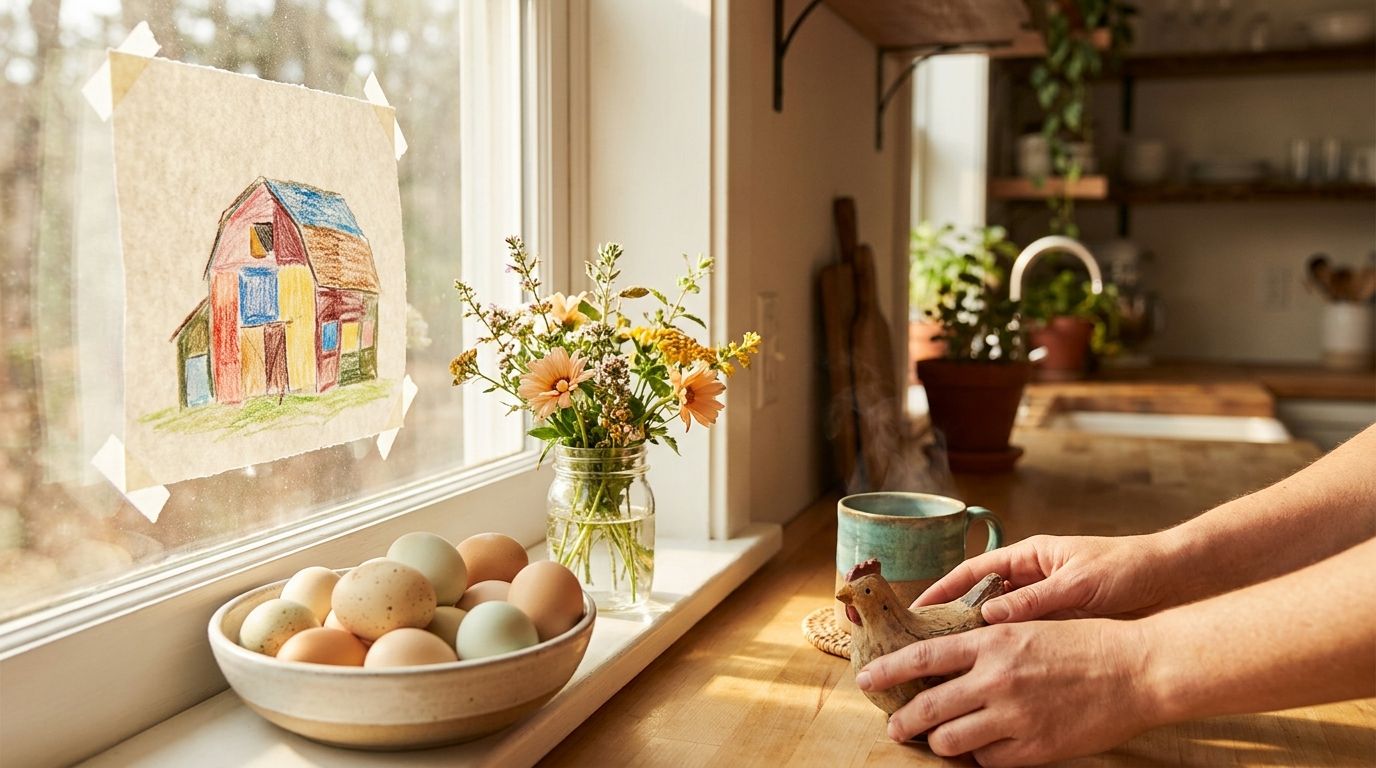
You’re in the kitchen, the smell of pancakes wafting through the air, and your little one is excitedly bouncing around, ready to start the day. Suddenly, they spot their toy farm set and rush to grab it, scattering toys all over the floor. You chuckle at the chaos, but it sparks a thought: how can you turn this moment into a lesson on teamwork and optimism?
In Meadow Barn, Chirp the Chicken teaches all of us how to face challenges with a positive outlook. Let’s explore how you can embrace teamwork and optimism at home, just like Chirp.

Understanding the power of teamwork
Teamwork isn’t just for sports teams or work projects; it’s a vital life skill that helps children learn how to collaborate with others. When you encourage your child to work with friends or family members, they learn to share ideas, resolve conflicts, and celebrate successes together.
Example scenario: Building a fort
Imagine a rainy afternoon when you and your child decide to build a fort. Instead of just one person grabbing the blankets and pillows, invite your child to brainstorm what the fort will look like. Will it have a secret entrance? How tall will it be? This not only fosters creativity but also encourages them to communicate and listen.
As you both start constructing, you could say things like, “What do you think we should add next?” or “Let’s see if we can make it even taller.” This exchange enhances their ability to work with others and feel valued in a team.
Optimism: A mindset shift
Optimism is all about looking at the bright side, and it can be especially helpful for neurodiverse children. Research indicates that children who practice optimism are more resilient and better equipped to handle setbacks. You can introduce simple practices that cultivate a positive mindset.
Cheerful affirmations
Try starting your day with a fun affirmation ritual. Have your child pick an affirmation that resonates with them-something like, “I am brave,” or “I can solve problems.” You can even create a colorful poster together to display these affirmations. Each morning, take a moment to read them out loud. This small practice can set a positive tone for the day, similar to how Chirp always encourages her friends at Meadow Barn to stay hopeful.
Encouraging problem-solving through teamwork
When challenges arise, teamwork can help children learn to approach problems creatively. With your guidance, they can brainstorm solutions together, which nurtures critical thinking and collaboration.
Example scenario: The missing toy
Say your child can’t find their favorite toy. Instead of just helping them search, turn it into a fun team effort. You might say, “Let’s be detectives! How can we find it together?” As you both look around, ask questions like, “Where did you last see it?” or “What other places could it be hiding?” This approach not only makes problem-solving fun but also reinforces the idea that they’re not alone in their struggles.
Celebrating small victories
Every bit of progress deserves a celebration. When your child achieves something-big or small-acknowledge it. This teaches them that effort is important and that working together leads to success.
Chirp’s Celebration Party
Imagine Chirp hosting a celebration party at Meadow Barn for her friends after they successfully worked together to build a new chicken coop. You might replicate this at home by having a small family celebration every time your child completes a project or resolves a conflict with a friend. Whether it’s a favorite snack or a fun dance party, these moments of recognition boost morale and reinforce optimism.
Making teamwork and optimism a routine
To truly instill these values, make them a regular part of your family life. Routine helps children feel secure and understand what is expected of them.
Family meetings
Consider having a weekly family meeting where everyone can share their thoughts, challenges, and successes. This can be a safe space for expressing feelings and practicing teamwork. You could say, “Let’s talk about what we can do together this week!” This not only invites your child to contribute but also emphasizes that teamwork is an ongoing effort.
Conclusion: Take the next step
As you embrace these ideas from Chirp at Meadow Barn, remember that you’re not just teaching your child about teamwork and optimism. You’re building a foundation for resilience and collaboration that will serve them well in life.
So why not set a simple goal this week? Maybe it’s to work together on a project, have a family meeting, or start a new affirmation routine. Each small step can lead to meaningful changes in how your child interacts with the world.
Let Chirp’s spirit guide you, and watch as your kitchen becomes a hub of creativity and cooperation!
FAQ
How can I teach my child teamwork at home?
Invite your child to collaborate on everyday activities, such as building a fort or searching for a missing toy. Ask for their ideas, encourage communication and listening, and work together toward a shared goal.
How can optimism help children?
The article explains that optimism helps children look at the bright side and can support resilience when they face setbacks. Simple practices such as cheerful affirmations can help create a positive mindset.
What are some activities that encourage teamwork and problem-solving?
You can build a fort together, turn finding a missing toy into a detective game, or work on a family project. Ask questions such as what should be added next, where the toy was last seen, or what other solutions might work.
How can I encourage my child when they make progress?
Acknowledge progress, whether the achievement is big or small, and celebrate the effort involved. A favorite snack, a dance party, or another small family celebration can boost morale and reinforce optimism.
How can teamwork and optimism become part of our family routine?
Make these values regular parts of family life through practices such as a daily affirmation ritual or a weekly family meeting. Family meetings give everyone a chance to share thoughts, challenges, and successes while practicing teamwork.
Join the conversation
Subscribe to comment
Join the Ziggyloo family newsletter to leave a comment — and get gentle learning tips and community stories in your inbox. No spam, unsubscribe anytime.