
Ziggy the curiosity leader: making I don’t know feel safe
When “I don’t know” comes out like a trap, Ziggy shows a softer path. Here’s how to build emotional safety for learning confidence at home.
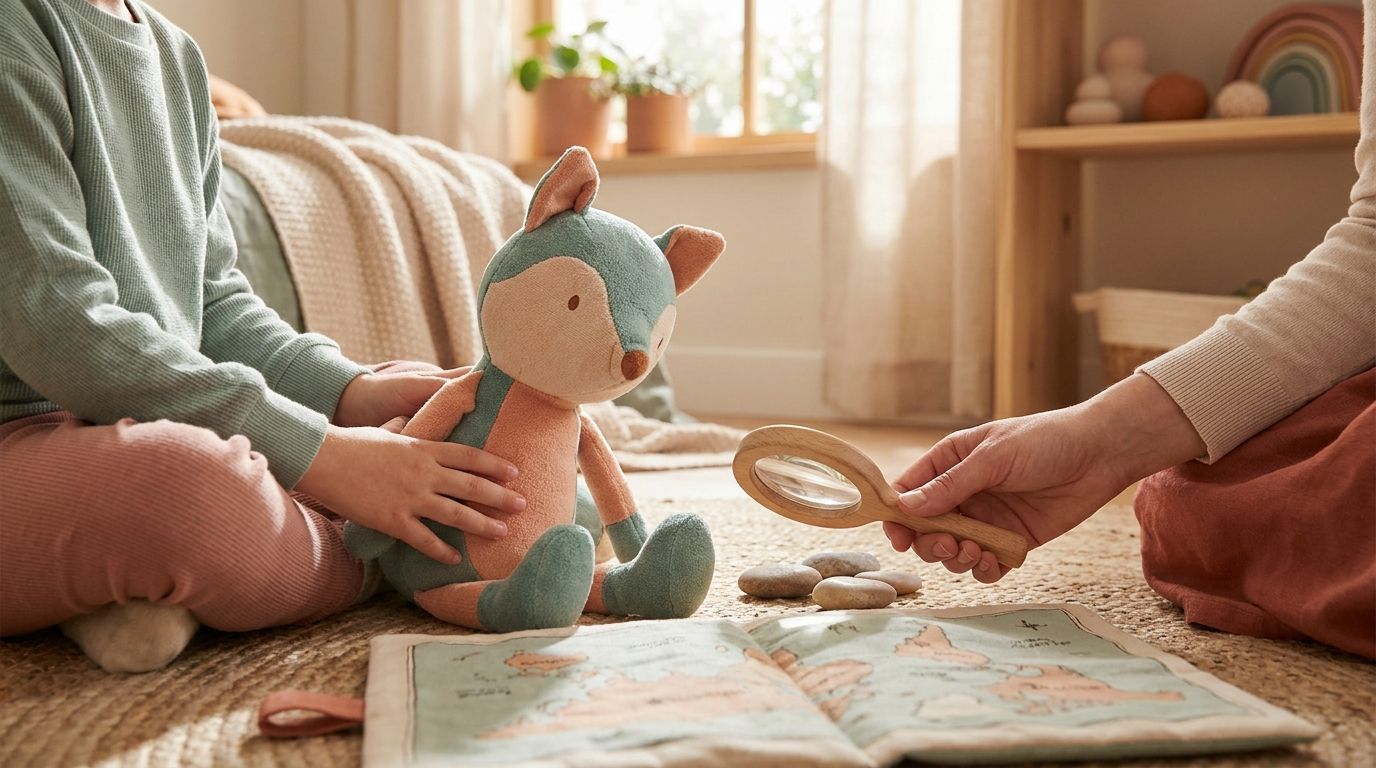
I'm standing at the kitchen counter with a half-folded worksheet and a mug of tea that's gone cold. My kid looks at the problem, then at me, then says, "I don't know," like it's a verdict. The room goes quiet in that particular way that means everyone is holding their breath.
You know that feeling. Not the worksheet part. The moment after the words land.
Ziggy, the cloudbot curiosity leader in Ziggyloo, makes "I don't know" feel safe. With a curiosity mindset, you can turn that sentence into a starting line instead of a dead end. And when emotional safety in learning is genuinely present, learning confidence tends to grow right alongside it.

What Ziggy changes in the room
Ziggy doesn't rush your child into an answer. Ziggy doesn't act like the right response should pop out instantly. Ziggy treats uncertainty like information, not failure.
That sounds simple. It is not.
For a lot of neurodiverse children, "I don't know" is what surfaces when their brain is overloaded, when the question is too many steps at once, or when they feel quietly judged for not getting it fast enough. Sometimes it's also what shows up when they've learned that guessing leads to correction.
So when you hear those three words, your instinct kicks in hard. Your brain goes, "Okay, we need an answer." Your heart goes, "Please don't shut down." Both happening at the same time, which is exhausting.
Ziggy's approach is different. Ziggy makes the moment smaller. Instead of "Do you know?" the energy becomes "Let's find out." Instead of "Try harder," it becomes "We can take one step that makes sense." You are not pulling your child out of uncertainty. You are walking beside it.
And if you've ever tried to coach through pressure, you already know how that goes. Pressure makes the brain grab for safety, and safety often looks like silence, tears, or a flat "I can't."
Ziggy helps you pick a different kind of safety.
A quick check you can do in real time
When your child says "I don't know," pause long enough to notice what the sentence is really doing.
Use this simple parent filter:
- If their voice sounds defeated, the sentence is asking for comfort.
- If their voice sounds stuck, the sentence is asking for clarity.
- If their body looks tense, the sentence is asking for breathing room.
You can respond to the need, not just the words.
For me, the biggest shift was realizing I was trying to solve the worksheet problem when the real problem was emotional safety. The worksheet was just the stage.
How to respond using a curiosity mindset (without turning it into a lecture)
You might be thinking, "Okay, but what do I actually say?" Totally fair.
Here are a few parent-tested lines that match Ziggy's curiosity mindset. They are not magic spells. Permission slips, really.
1) Treat "I don't know" like a starting clue
Try this when the sentence lands:
"Thank you for telling me. That helps. We can figure it out together."
You're not agreeing that they can't do it forever. You are acknowledging that the sentence is useful, that it brings you onto the same team. If your child is used to being wrong, that one sentence can loosen the grip of shame.
2) Offer two choices that are both safe
Sometimes "I don't know" is the brain saying, "I can't decide what to do first." So you help.
Try:
"Do you want to try the first part or the example first?"
Or:
"Do you want to point to where you got stuck, or do you want me to read it and you tell me what you notice?"
These questions do something important. They reduce the number of decisions your child has to hold in their head at once. And yes, your child might still say "I don't know." That is okay. You are still giving structure.
3) Ask for noticing instead of answering
Neurodiverse children often do better when the task is observation first. Answering can feel like a high-stakes performance, the kind where the spotlight is too bright and the room is too quiet.
Try:
"What do you notice about this?"
"What's the same between these two?"
"What part feels easiest so far?"
This is how learning confidence shows up. Not by forcing the right answer, but by building evidence that they can handle the task one small piece at a time.
4) Make room for "not yet"
If your child hears "I don't know" as a failure label, you can rewrite the label without arguing.
Try:
"You don't know yet. That counts. Let's make your brain a little map."
That last bit matters. A lot of kids don't need motivation. They need a map.
A mini script you can use tomorrow
If you want something you can almost read off a card, use this:
- "Thanks for telling me."
- "We can figure it out together."
- "Do you want to start with the example or the first step?"
- "What do you notice?"
It's not fancy. It's steady. And steady helps a nervous system settle.
When "I don't know" is really fear (and what emotional safety in learning looks like)
Let's talk about the hidden part. The part you might not say out loud because it feels dramatic, even though it's real.
Sometimes "I don't know" is fear in a disguise. Fear of being wrong. Fear of disappointing you. Fear of getting stuck and then being rushed. Fear that the task will keep going until they break.
In those moments, the words "I don't know" are not a lack of ability. They are a signal that the learning environment feels unsafe.
Emotional safety in learning looks like a few specific changes you can make as the parent.
Emotional safety looks like predictability
If your child never knows whether the next attempt will be met with pressure, they will protect themselves by refusing the attempt. So you can build predictability.
Try:
- Say what comes next in one sentence.
- Keep the next step small enough that it feels doable.
- Let them know you will pause if they get overwhelmed.
Even one line of predictability can lower the mental noise.
Emotional safety looks like co-regulation before correction
If your child is dysregulated, correction lands like a brick. Co-regulation lands like a hand on your shoulder.
So before you fix the worksheet, you can fix the moment.
Try:
"Let's take two slow breaths. Then we'll try one tiny part."
Or:
"Your body looks like it needs a reset. We can do that first."
You are not giving up. You are choosing timing.
Emotional safety looks like effort without performance
A lot of children with neurodiverse profiles do not experience "trying" the same way adults do. They may try very hard and still not show it in the way you expect.
So you can shift what you praise.
Instead of "Good job, you got it," try:
- "You kept going even when it felt hard."
- "You told me where it got tricky."
- "You tried the first step. That's real progress."
Learning confidence grows when effort is seen accurately.
The thing I wish someone told me earlier
I used to think "emotional safety" meant I had to avoid challenges. That is not what it means.
It means challenges arrive in a container your child can handle. A container is predictable. Small. It includes breaks and the right kind of help.
Ziggy's curiosity mindset is basically that container.
How Ziggyloo characters support the curiosity leader vibe
Ziggy is the curiosity leader. But Ziggyloo has a whole crew of characters who help you respond when the learning moment shifts.
Sometimes your child is curious. Sometimes they are frustrated. Sometimes they feel anxious or sad. The "I don't know" sentence can sit in any of those moods, which means the same three words can need a completely different response depending on the day.
So you can match the response to the feeling.
Here are a few character pairings that map neatly onto the parent moves you make.
When uncertainty shows up as fear
If "I don't know" comes with a tight voice or a worried face, you can lean toward calm awareness.
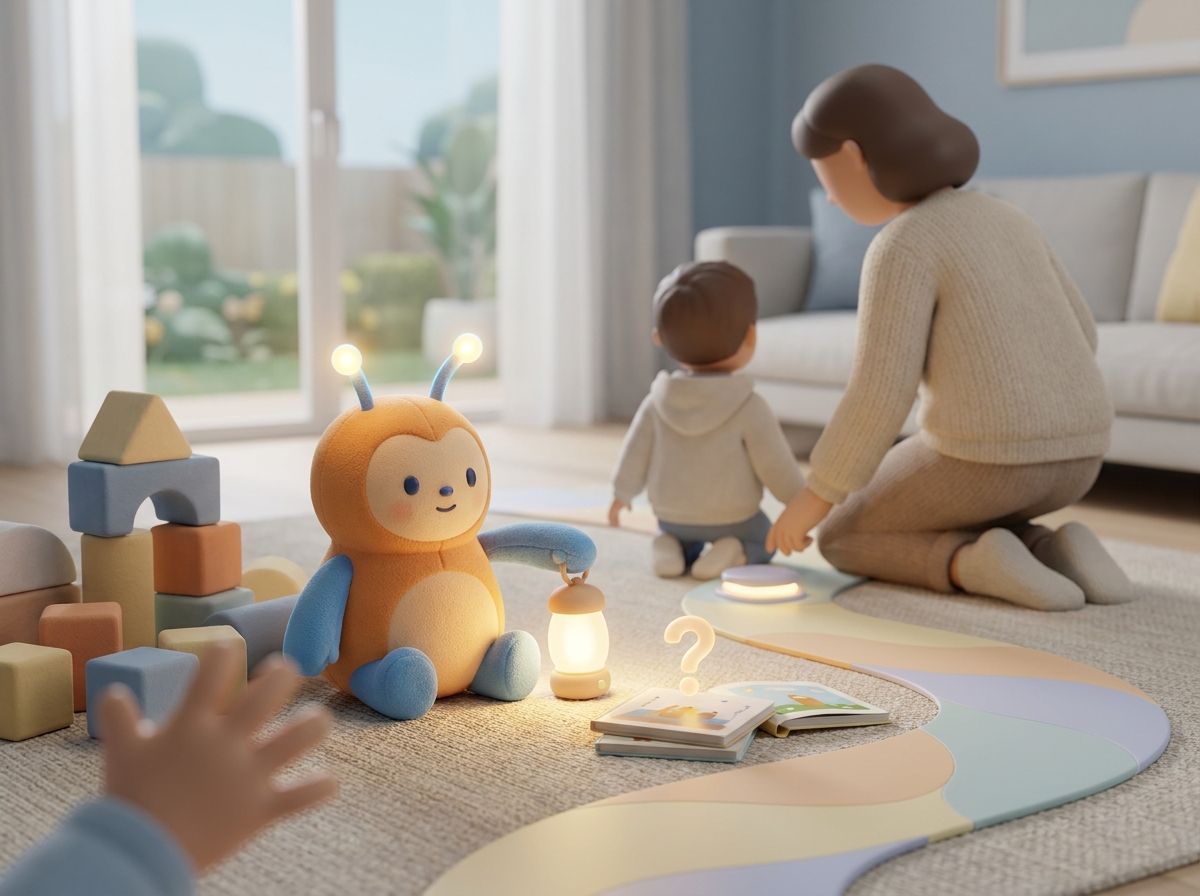
With Ziggyloo's adaptive learning system, you can use Ziggy's curiosity energy alongside the calm that comes from the Anxiety and Panic Gloom pair.
When uncertainty shows up as anger
If "I don't know" is followed by stomping, pushing papers away, or a sudden sharp tone, the brain might be protecting itself with anger.
In that case, patience and warmth are the right temperature.
When uncertainty shows up as sadness
If "I don't know" comes with drooping shoulders or watery eyes, the need is compassion, not speed.
You can slow down and make the step gentler.
When uncertainty shows up as overwhelm
If your child is quiet but looks like they're drowning in the question, the need is clarity and fewer steps.
You can offer a choice and ask for noticing.
You do not need to label the feeling perfectly. You just need to respond in a way that makes the next attempt safer. And that is where learning confidence grows. Not through perfect answers. Through enough safety to keep trying.
Practical takeaways you can use this week
You came here for Ziggy. You also came here for something you can do while the tea is cooling.
So here are the takeaways, plain and doable.
Try the "safe sentence" response
Next time your child says "I don't know," use a response that does three jobs: thanks them for telling you, promises teamwork, and offers a small choice.
Even if the answer still comes slowly, the emotional safety part is already working.
Ask for noticing before answering
If you want your child to feel capable, start with what they can already do.
Ask what they notice. Ask what feels easiest. Ask what looks the same. Then build from there.
Keep steps small enough to succeed
If your child gets overwhelmed, bigger explanations backfire. Smaller steps land.
Try splitting the task into "example first" or "first step first."
Praise the exact behavior you want repeated
Praise effort that is real to them. Praise telling you where it got tricky. Praise taking the first step.
That is how learning confidence becomes a habit.
FAQ
Why does my child freeze and say "I don't know"?
Freezing often happens when the brain feels overloaded or when the moment feels high-stakes. Sometimes the child is protecting themselves from the risk of being wrong. A curiosity mindset response helps the moment feel safer, so the brain can try again.
What if "I don't know" is their way of avoiding the task?
It can be both. Avoidance can be a coping strategy when the task feels too hard or too fast. You can reduce the demand by offering a small choice and asking for noticing, then gently build from that tiny win.
How do I keep curiosity going when I feel impatient?
You can use a script even when you feel frazzled. Try "Thanks for telling me. We can do one small step together." Then take the pressure off by asking what they notice. Your calm tone matters, even if you feel wobbly inside (and honestly, most of us do).
What if my child still won't answer?
That's data, not a disaster. If they won't answer, shift to the next smallest action: pointing, choosing between two options, or looking at an example together. Emotional safety in learning means you keep the door open, not that you force the answer.
A closing that feels like a hand on your shoulder
If your child says "I don't know" and your stomach drops, you are not failing. You are noticing something important.
You are watching your child ask for safety in the only language they have in that moment. Ziggy's curiosity mindset gives you a way to answer that request without turning learning into a battle.
So the next time you hear the sentence, try one safe move. Thank them. Team up. Offer a small choice. Ask what they notice.
That's how emotional safety in learning becomes real. And that's how learning confidence has a chance to grow, even on the days you feel tired and the tea is cold.
Your next step: pick one script from above and use it for a single problem today. Then stop. Let the safety do its job.
Join the conversation
Subscribe to comment
Join the Ziggyloo family newsletter to leave a comment — and get gentle learning tips and community stories in your inbox. No spam, unsubscribe anytime.