
The "Glass Child": Seeing and Supporting Siblings
Academic success for a neurodiverse child is rarely an isolated endeavor; it is dependent on the emotional stability of the entire family ecosystem. At Ziggyloo, we recognize that while our AI focuses on the unique learning needs of one child, the 'Glass Child' phenomenon-where siblings become invisible due to the high-resource demands of neurodivergence-can fracture that foundation. Supporting siblings is not just an act of fairness; it is a critical component of maintaining a resilient home environment where every learner can thrive.
It is the worry that keeps you up at night, right after the worry about your neurodiverse child. It’s the quiet, nagging question that follows you around the house: "Am I neglecting my other kids?"
When one child’s needs are louder, bigger, and more urgent, it is wildly easy for the needs of their neurotypical siblings to slip into the background. We call these siblings "Glass Children." We look right through them to see the child with the bigger needs. We assume they are fine because they aren't the ones in crisis.
But the truth is, they aren't always fine.
The hidden weight on a sibling's shouldersGrowing up with a neurodiverse sibling is a unique and often heavy experience. These children can feel immense pressure to be the "easy" one, the one who doesn't cause trouble. They can feel a deep sense of responsibility to help, and an equally deep sense of guilt for wanting attention for themselves.
Imagine a typical afternoon: You've just finished a marathon of phone calls with therapists, and you finally sit down with a cup of coffee that’s gone cold again. Your neurotypical child approaches, eager to share something exciting from their day. But before you can give them your full attention, there's a crash from the other room-your neurodiverse child needs you immediately. That scene plays out in countless variations, day after day, and it's easy to see how the sibling might start to feel invisible.
The statistics bear this out. Siblings of neurodiverse children often face their own struggles, including higher risks for anxiety and other psychiatric or neurodevelopmental disorders. A study published in Pediatrics found that these siblings are more likely to experience emotional and behavioral problems compared to peers without neurodiverse siblings. They are also more likely to experience bullying at school, sometimes being teased about their sibling's differences. It's a lot for a child to carry, especially when they don't want to add to their parents' stress.
I remember a time when my daughter came home from school, tears brimming in her eyes, because a classmate had made a hurtful comment about her brother. She didn't want to tell me at first, her small voice saying, "I didn't want to make you feel bad." That quiet resilience is something many parents of "Glass Children" recognize-a desire to shield us from more worry.
They are carrying a lot, and they are doing it quietly. It is time to help them set that weight down.
Small ways to make your glass child feel seenYou are one person with limited energy. You cannot clone yourself. The goal here isn't to give them equal time-that's often impossible. The goal is to give them focused time and genuine validation.
Here are small, manageable ways to make sure they feel seen and celebrated:
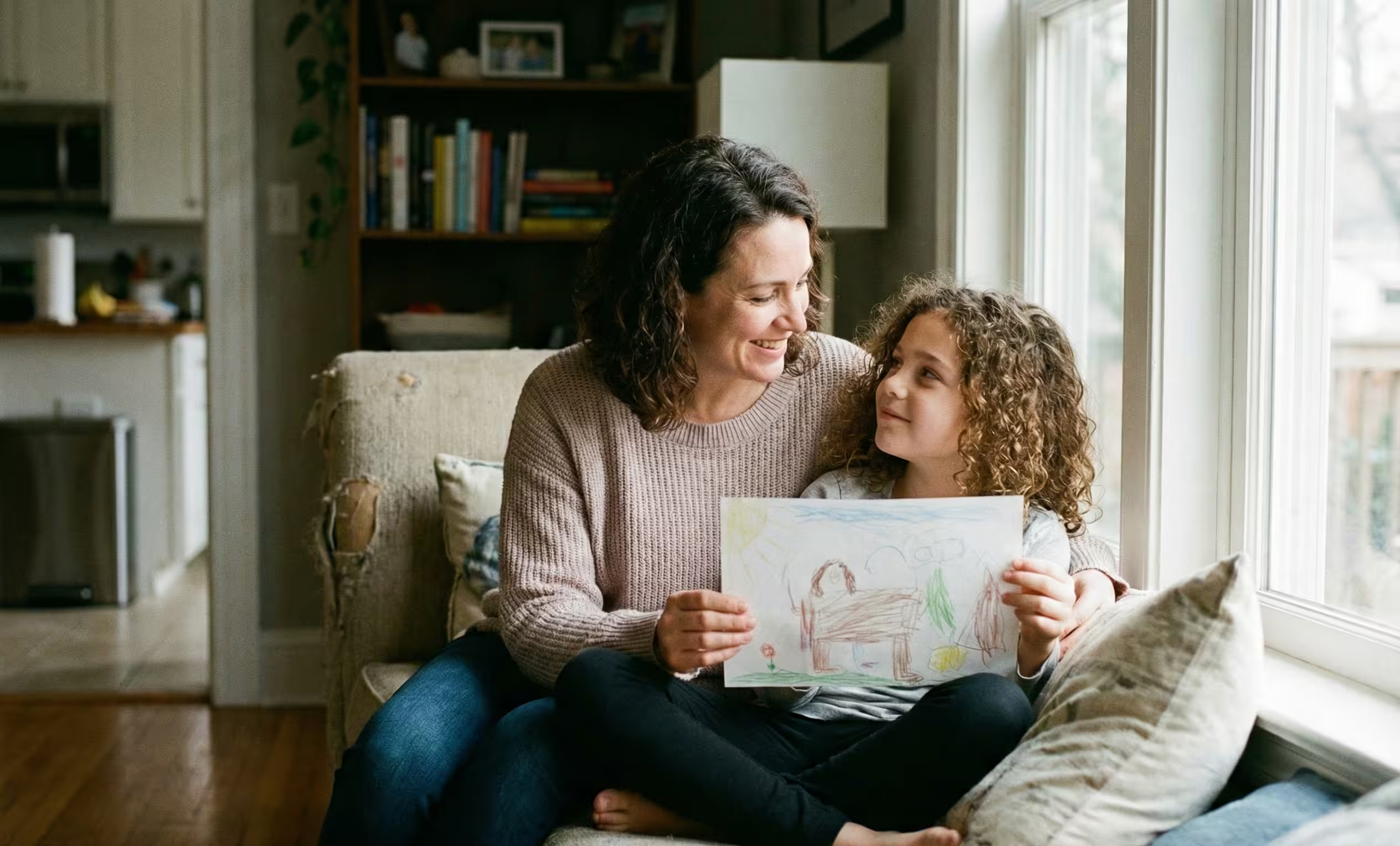
The "10-minute power-up": Carve out 10 minutes a day-no phones, no interruptions-just for them. Let them choose the activity. Whether it's building Legos, reading a book, or just talking, this focused attention is pure gold. One mom shared how she set a timer each day to remind herself to have this special time with her daughter. "Even on the days I felt I couldn't manage it, those 10 minutes became something we both looked forward to," she said.Picture this: you're sitting on the floor, their hand in yours, as they excitedly show you the latest drawing they've made. Those moments become touchstones of connection, little oases in the chaos.
Validate, don't fix: When they complain about their sibling, don't immediately jump to defense or explanation. Just listen. Say, "It sounds really frustrating when your brother knocks over your tower. It's okay to be mad about that." Validating their feelings doesn't mean you agree with their actions; it means you see their pain. It acknowledges their reality, a critical step in helping them feel understood.I remember my own frustration when well-meaning advice came instead of simple understanding. Sometimes, "That sounds hard" is the most healing sentence.
Celebrate their wins (without comparison): Did they get a good grade? Score a goal? Learn a new song? Celebrate it loudly and enthusiastically, without any reference to their sibling. Let their achievements stand alone in the spotlight. Maybe hang up their artwork or achievement certificates on a special wall in the house. One study found that recognizing individual achievements in a family can improve self-esteem and sibling relationships.Make a big deal out of their moments. Sparkling cider for a good report card, a special dessert for a recital well done. These celebrations tell them, "You are important, too."
Create a "sibling-free zone": If possible, give them a physical space in the house (even just a corner of a room) that is theirs alone, where their things are safe from their sibling. This provides a crucial sense of control and sanctuary. A friend of mine created a little reading nook in the corner of her living room for her daughter. "It's her safe place to recharge," she explained, "and knowing she has that space makes a world of difference."Think about how you feel when you finally get a moment to yourself-it's the same for them. Having a small corner that's just theirs can be a powerful gift.
Be honest (age-appropriately): Don't pretend everything is "normal." Explain their sibling's diagnosis in age-appropriate terms. Understanding why things are hard can alleviate fear and resentment. Books can be a great tool here-consider reading together books that are written for children to help them understand different kinds of minds and abilities. All My Stripes by Shaina Rudolph is a favorite in our house.Another mom shared how her son felt relief after learning why his sister acted differently. "It was like a lightbulb went off," she said, "he finally understood it wasn't something she could just 'stop doing'."
Encourage outside relationships: Sometimes, it's beneficial for siblings to have their own separate activities and friendships. This can be as simple as a playdate with a friend or a special activity like soccer practice. These experiences can provide them with a sense of identity outside of being a sibling to a neurodiverse child. Joining sibling support groups or clubs can also be incredibly helpful. In these settings, they can share their experiences with peers who understand what they're going through.I once met a mom whose child thrived in a local art class, a space where she wasn’t "the sister of" but just herself, creating colorful masterpieces. This outlet became her sanctuary.
Be mindful of language: The way we talk about our neurodiverse child can affect how siblings perceive themselves and their place in the family. Try to steer clear of terms that might inadvertently cast the sibling as secondary or invisible. Instead, use language that highlights the unique contributions and strengths of each child.A father I spoke with shared how he started saying, "You’re both my heroes," to his kids. It was a simple shift, but it helped his neurotypical son feel equally valued.
The bottom lineYour neurotypical child doesn't need you to be perfect. They just need to know that they matter, too. By taking small, intentional steps to see them, you can turn them from a "Glass Child" into a child who feels seen, heard, and deeply loved.
This journey is not about being a superhero parent-it's about being a human one. There will be days when the best you can do is say, "I love you and I see you," and that's okay. The most important thing is that they know they are cherished just as they are.
Remember that parenting is a marathon, not a sprint. There will be days when it feels like you’re barely keeping up, and that’s completely normal. In those moments, remind yourself that every little effort counts. Every “I see you,” every shared giggle, every piece of art hung on the fridge-it all matters.
FAQ
What is a “glass child”?
A “glass child” is a neurotypical sibling whose needs may be overlooked because a sibling has louder, bigger, or more urgent needs. The term reflects how parents can look through them to focus on the child in crisis.
How can I help my glass child feel seen?
Give them focused attention rather than trying to provide equal time, which may not always be possible. The article suggests setting aside 10 uninterrupted minutes each day, letting them choose the activity, and celebrating their achievements without comparing them to their sibling.
How should I respond when my child complains about their neurodiverse sibling?
Listen and validate their feelings instead of immediately defending or explaining their sibling’s behavior. Saying, “It sounds really frustrating,” acknowledges their experience without suggesting that you agree with every action.
What is a sibling-free zone, and why can it help?
A sibling-free zone is a physical space, even a small corner, where the child’s belongings are safe from their sibling. It can give them a sense of control, privacy, and a place to recharge.
Should I explain their sibling’s diagnosis to them?
Yes, the article recommends explaining the diagnosis in age-appropriate terms rather than pretending everything is normal. Understanding why their sibling behaves differently can reduce fear and resentment, and books written for children can help explain different kinds of minds and abilities.
Join the conversation
Subscribe to comment
Join the Ziggyloo family newsletter to leave a comment — and get gentle learning tips and community stories in your inbox. No spam, unsubscribe anytime.