
The Zombie Mom Diaries: Sleep Solutions for the Whole House
At Ziggyloo, we know that neurodiverse children often face unique sleep challenges-from sensory sensitivities to difficulties with self-regulation-which directly impact their ability to focus and learn. While our AI tutor adapts to your child’s educational needs, we also want to support the foundation of that learning: a well-rested home. Here are practical sleep solutions to help the whole house thrive.
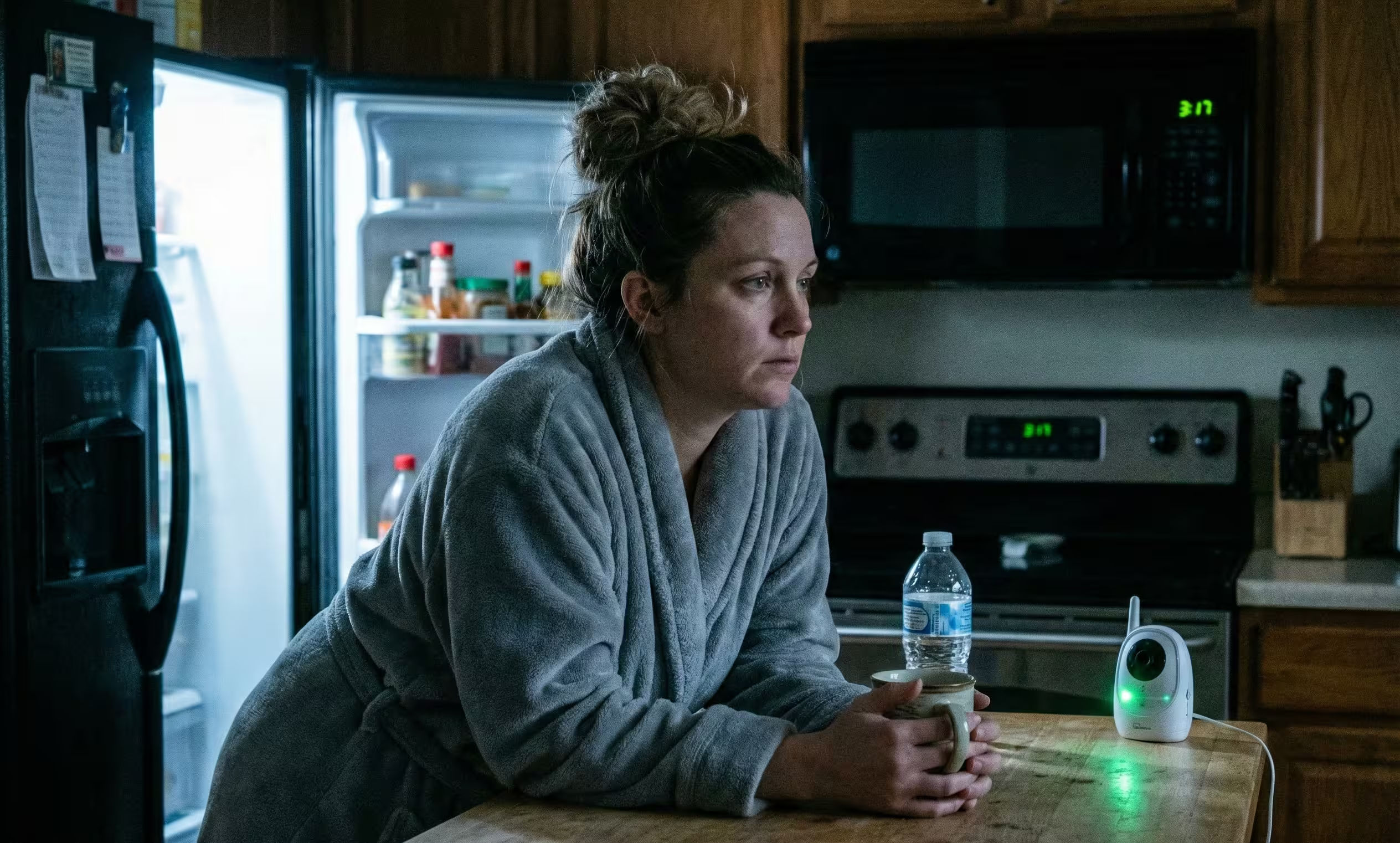
Raise your hand if you can’t remember the last time you slept for eight uninterrupted hours.
If your hand is up, welcome to the club. We meet nightly in our respective kitchens at 3:00 AM, staring blankly into the open refrigerator. The dress code is stained pajamas and under-eye circles that could rival a raccoon’s.
We are the Zombie Moms. And we are tired.
The science of our exhaustionBefore anyone tells you to "just go to bed earlier," let's validate your reality with some cold, hard facts. You aren't tired because you're doing something wrong; you're tired because the odds are stacked against you.
Research shows that up to 86% of autistic children experience sleep disorders. That is a staggering number. It means sleep struggles aren't the exception in our community; they are the rule. Imagine how many of us are wide awake, night after night, trying to soothe a restless child back to sleep.
And because our sleep is inextricably linked to theirs, the impact on us is profound. Consequently, 45% of parents of autistic children report not feeling rested. This isn't just about missing a few hours; it's about the cumulative exhaustion that builds when nights become a series of fragmented catnaps.
One study found that chronic sleep deprivation in parents can lead to increased stress levels, a heightened risk of depression, and even affects cognitive functions like memory and concentration. So, when you find yourself forgetting where you put the car keys for the third time today, remember: it's not you, it's the sleep deprivation.
The physical toll is one thing, but the emotional strain can be just as heavy. There's the guilt that creeps in when you think, Am I doing enough? or Will my child ever sleep through the night? It's important to recognize these feelings not as failures but as part of the journey many of us are on together.
So, let's ditch the generic advice like "drink warm milk" or "take a relaxing bath." When your child’s brain is wired differently, you need different sleep solutions that address the root causes: sensory needs and anxiety.
Sleep solutions that go beyond "warm milk"Here are some strategies to help quiet the house and get everyone a few more precious hours of shut-eye.
1. The sensory wind-down (heavy work & deep pressure)For many neurodiverse kids, their bodies are buzzing with unspent sensory energy at bedtime. "Heavy work" activities can help calm their nervous system. It's like giving their body the physical input it craves so it can finally switch gears and rest.
- Before Bath: Try wheelbarrow walking to the bathroom, carrying a heavy stack of books, or doing wall push-ups. These activities can help burn off excess energy and soothe the nervous system.
- In Bed: A weighted blanket or a stretchy compression sheet can provide deep pressure input that signals the body it's time to rest. Some parents find that weighted lap pads or vests during evening activities can also help in the lead-up to bedtime.
Consider developing a "sensory toolkit" specifically for bedtime. This might include items like a soft, calming fidget, noise-cancelling headphones, or a dimmable lamp to set a soothing environment. The key is to experiment and notice what seems to help your child relax.
Think about incorporating a short, calming story or song into the wind-down routine. Something predictable and rhythmic can provide auditory soothing, like a gentle lullaby or a beloved story you've read together a hundred times. It’s not about the story itself but the routine and comfort it brings.
2. The visual bedtime routineAnxiety about "what comes next" can keep a neurodiverse brain awake. A predictable, visual routine is comforting. When bedtime feels like a clear, step-by-step journey, it can help reduce the mental load on your child.
Create a simple visual schedule with pictures for every step: potty, brush teeth, pajamas, story, lights out. These visual cues can be invaluable for kids who thrive on structure and predictability.
- Let your child move a Velcro marker or check off each step as it’s completed. This gives them a sense of control and predictability. You might even involve them in creating the routine by letting them choose the images or decorate the schedule.
Some families find success using apps designed for visual schedules, which can be customized and include timers or alarms to signal transitions. This tech-based solution might appeal to tech-savvy kids who enjoy interacting with screens.
As you establish this routine, be patient. It might take a few nights-or even weeks-for your child to really get into the groove. Celebrate small victories, like moving through the routine without reminders or finishing a task independently. These are steps toward a more peaceful bedtime for both of you.
3. Managing the "worry brain"Race-car brains often speed up right when the lights go down. Help them offload their anxieties before head hits pillow. It's a bit like deflating a balloon that's been filled with the day's worries.
- The "Worry Box": Have your child draw or write down their worries on slips of paper and put them in a decorated box. Tell them, "The box will hold your worries for you while you sleep so your brain doesn't have to." Some families make this a nightly ritual, decorating the box together and choosing a special spot for it.
- Scheduled "Worry Time": Set aside 10 minutes earlier in the evening just for talking about fears. When they bring a worry up at bedtime, gently remind them, "That's a great topic for tomorrow's worry time. Right now is sleep time." This helps them understand that their concerns are important, but also that there's a time and place for everything.
Consider using relaxation techniques such as guided imagery or breathing exercises as part of your child's wind-down routine. Apps or audio tracks designed for kids can lead them through a calming journey, helping them transition to a more restful state.
Some parents find that incorporating a "worry journal" helps too. At the end of each day, sit together and write down a couple of worries and one or two things that went well. This not only acknowledges their fears but also highlights positives, reinforcing a balanced view of their day.
The final wordFellow Zombie Mom, hang in there. Implementing these changes takes time and patience you may not feel you have right now. Start small. Pick one strategy and try it for a week. It's completely okay if it feels like you're moving at a snail's pace. Progress, not perfection, is the goal.
And tonight, when you find yourself in the kitchen at 3:00 AM, remember: you are a warrior, you are doing an incredible job, and you are definitely not alone in the dark. Perhaps next time, a fellow Zombie Mom will bump into you at the fridge, and together, you'll share a tired smile or even a silent hug. These shared, sleepless nights are a reminder that our community is strong, resilient, and here for each other-even in the wee hours.
Remember, it’s okay to ask for help. Whether it's trading off nights with your partner, if you have one, or calling in reinforcements from family or friends, you don’t have to shoulder this alone. Sometimes, just having someone else to lean on makes all the difference.
FAQ
Why do autistic children often have sleep difficulties?
The article says that sleep struggles are common among autistic children and are connected to sensory needs and anxiety. Their bodies may have unspent sensory energy, while worries about what comes next or racing thoughts can make it harder to settle at bedtime.
What sensory activities can help a child wind down before bed?
Heavy work activities such as wheelbarrow walking, carrying a stack of books, or doing wall push-ups may help calm the nervous system before bed. In bed, some parents use weighted blankets or stretchy compression sheets for deep pressure, while a calming fidget, noise-cancelling headphones, or a dimmable lamp may help create a soothing environment.
How can a visual bedtime routine make bedtime easier?
A visual schedule can show each step of bedtime, such as using the potty, brushing teeth, putting on pajamas, reading a story, and turning out the lights. Letting a child move a Velcro marker or check off each step can provide control and predictability, though it may take several nights or weeks to become familiar.
How can parents help a child who worries at bedtime?
The article suggests using a Worry Box where a child can draw or write worries and place them away for the night. Families can also set aside 10 minutes earlier in the evening for discussing fears and use relaxation techniques such as guided imagery or breathing exercises during the wind-down routine.
Join the conversation
Subscribe to comment
Join the Ziggyloo family newsletter to leave a comment — and get gentle learning tips and community stories in your inbox. No spam, unsubscribe anytime.