
Why "Self-Care" Isn't Just a Bubble Bath (It's Survival)
In the ecosystem of a neurodiverse home, parental well-being is not a luxury-it is the primary regulator of the family's emotional stability. At Ziggyloo, we recognize that when you are the external executive function for your child, 'burnout' is a systemic risk, not a personal failing. While our AI tools act as a digital scaffold for your child’s learning, this guide addresses the human scaffold that holds it all together: you.
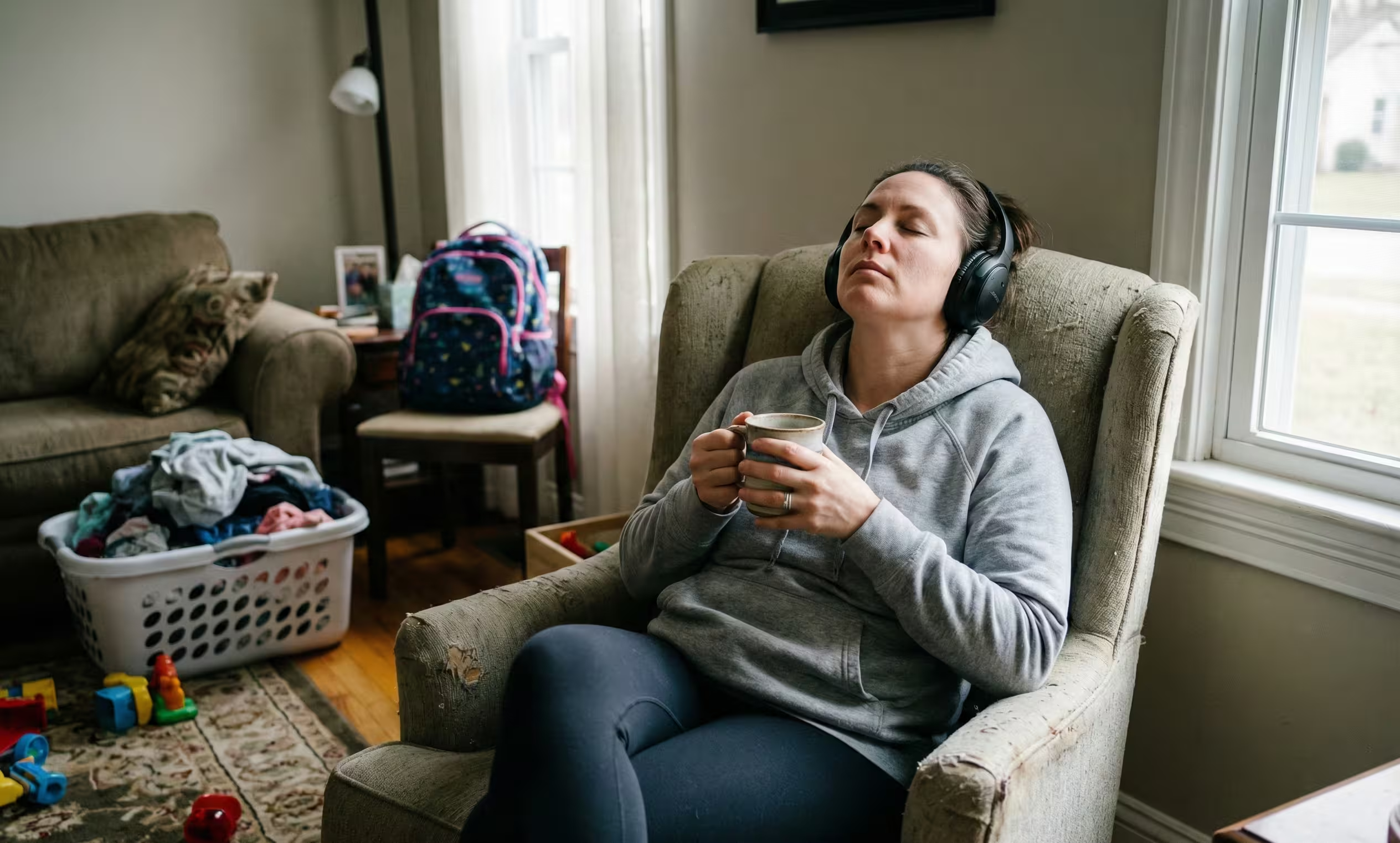
If one more well-meaning person tells you to "just take a bubble bath" to cure your bone-deep exhaustion, you have our permission to scream into a pillow.
Let's be real: when you are raising a neurodiverse child, your version of tired is different. It's not just physical; it's a profound, soul-level weariness. And when experts talk about burnout in parents of children with disabilities, "emotional exhaustion" isn't just a side effect-it is the number one symptom cited.
So, let's throw out the fluffy, spa-day definition of self-care. For you, self-care isn't an indulgence. It is a survival strategy.
The Burnout TrapYou are running a marathon at a sprinter's pace, every single day. The constant advocacy, the sensory management, the endless appointments-it all drains your reserves. Picture this: It's 4 PM, and your child is melting down after a day full of sensory overload and school demands. You still have dinner to cook, an IEP meeting to prepare for, and a mountain of laundry calling your name. Your to-do list feels like it's written in invisible ink, constantly fading and reappearing with new tasks.
Burnout isn't just about being tired or cranky. It's a state of physical, emotional, and mental collapse caused by prolonged stress. It deprives you of the energy you need to be the parent you want to be. Protecting yourself from this isn't selfish; it's essential for your family's well-being. One study found that parents of neurodiverse children experience burnout at rates significantly higher than the general population. This isn't just your imagination; it's a real and significant challenge.
Sometimes, it feels like you're juggling flaming torches, and any moment one might fall. The constant hyper-vigilance can make you feel like a soldier on duty, always preparing for the next challenge, whether it's a meltdown in the grocery store or a call from school. The stakes feel so high, and the pressure mounts. You might find yourself longing for a breather, even just five minutes to sip your coffee before it's cold again.
Redefining Self-Care: Building "Psychological Resilience"Real self-care for a neuro-mom isn't about escaping your life for an hour; it's about building the resilience to live it without breaking. Studies show that "psychological resilience" is a key protective factor against burnout. This isn't about bouncing back from every setback with a smile and a positive attitude; it's about weathering the storms with the tools you have.
Here is what that looks like in practice-no bath bombs required:
1. The Power of "Good Enough": Perfectionism is a fast track to burnout. Did everyone get fed today? Were they relatively safe? Then you succeeded. Lower the bar until you can step over it. The laundry pile is not a moral failing. Consider this: one mom shared how she replaced her usual elaborate dinners with a rotation of simple, nutritious meals. Her kids were fed, her stress was reduced, and she learned that frozen veggies can be a lifesaver.Think of the nights when cereal becomes dinner because it's all you can muster. That's not failure; it's adaptability. It's recognizing that some days, survival mode is enough. Letting go of perfectionism isn't giving up-it's giving yourself the grace to be human. Your children won't remember if the house was spotless, but they'll remember you being there, present and loving.
2. Find Your "Micro-Habits" of Joy: Resilience is built in moments, not hours. Find tiny things that fill your cup: five minutes of reading, listening to your favorite song in the car, or savoring a cup of coffee before the house wakes up. These aren't indulgences; they are anchor points for your sanity. One parent swore by the power of stepping outside for just a minute to breathe deeply and look at the sky, even if only while taking out the trash.Maybe it's the ritual of lighting a candle at your desk, or the luxury of a shower where you can actually rinse and repeat. These micro-habits are like small pebbles that create ripples of calm in your day. A study found that engaging in brief daily activities that promote joy can significantly boost mood and reduce stress. It's about those small but mighty moments that remind you there's a world outside the chaos.
3. Connect, Even for a Second: Isolation fuels emotional exhaustion. Research shows that social support is a powerful buffer against parental burnout. Text a friend a funny GIF, join a supportive online community like Ziggyloo’s, or have a five-minute vent session with your partner. You don't need a two-hour lunch date to feel connected. A quick exchange of memes or a shared laugh over a silly moment can remind you that you're not alone in this.Think about the nights when a simple message from a friend can feel like a lifeline. Or the relief in knowing there's someone who understands why leaving the house can sometimes feel like preparing for a mission. Connection doesn't have to be grand or time-consuming; it's the thread that ties us to the world and reassures us that we're not in this alone.
4. Protect Your Basics: Sleep, nutrition, and movement are the foundation of resilience. We know, it sounds impossible. But even small changes matter. Prioritize sleep whenever you can, grab healthy snacks, and get outside for five minutes of fresh air. You cannot build emotional strength on a physically depleted body. One mom set a nightly alarm to remind her to wind down and get to bed, which was a game-changer for her energy levels the next day.Consider the nights when you finally collapse into bed and realize you've been running on fumes. Or the mornings where dragging yourself out of bed feels like a Herculean task. Sleep isn't just a luxury; it's your reset button. And even if it's just stretching in your living room, movement can shake off the cobwebs of fatigue and stress.
5. Ask for Help (And Actually Take It): This is the hardest one. Stop trying to be a martyr. If someone offers help, say "Yes." If no one offers, ask. Whether it's having a relative watch the kids for an hour or using an app like Ziggyloo to give your child engaging, independent learning time, use every tool available to buy yourself some breathing room. One study found that parents who effectively utilized support networks reported lower levels of stress and higher levels of satisfaction.It might feel like asking for help is admitting defeat, but it's actually a sign of strength. Think of the times you've felt alone in your struggles, only to find relief in a shared burden. Accepting help is not about weakness; it's about community. It's knowing when to lean on others so you can stand stronger.
The Bottom LineYour well-being is not an afterthought. You are the engine that keeps your family running. If the engine seizes up, everything stops. It's like trying to drive a car on an empty tank; eventually, it just won't go anymore.
So, forget the bubble bath if you don't have time for it. Focus on the real, gritty, everyday strategies that protect your mental health. Building resilience is the most powerful form of self-care there is, and it's the one thing you truly cannot afford to skip. You deserve to survive this journey-and even find joy in it.
Remember, it's okay to acknowledge that this path is hard and that you're doing an incredible job navigating it. Your efforts, big and small, are what keep everything moving. And every moment you spend caring for yourself is an investment not just in you, but in your entire family.
FAQ
What does self-care mean for parents raising a neurodiverse child?
The article presents self-care as a survival strategy rather than an indulgence or spa-day activity. It focuses on building resilience, protecting your energy, and finding practical ways to cope with ongoing demands.
What are the signs of burnout described in the article?
Burnout is described as physical, emotional, and mental collapse caused by prolonged stress. Parents may experience profound exhaustion, constant hyper-vigilance, reduced energy, and the feeling that they are always preparing for the next challenge.
What are some realistic self-care habits when there is no time for a break?
The article recommends small moments of joy, such as reading for five minutes, listening to a favorite song, stepping outside to breathe, or enjoying a cup of coffee. It also encourages letting go of perfectionism, choosing simple meals, and treating survival-mode days as a valid form of adaptability.
How can social connection help with parental burnout?
The article says isolation can fuel emotional exhaustion and that social support can buffer parental burnout. A quick text, funny GIF, online community, or five-minute conversation with a partner can provide connection without requiring a large block of time.
Join the conversation
Subscribe to comment
Join the Ziggyloo family newsletter to leave a comment — and get gentle learning tips and community stories in your inbox. No spam, unsubscribe anytime.