Blog
Practical strategies, real stories, and new thinking for families raising neurodiverse learners.

10 Things I Wish I Knew Before the Diagnosis
If I could build a time machine, I’d visit the past version of myself—the one consumed by worry before the official diagnosis. If you are in that liminal space now, this is for you. From understanding that sleep deprivation is normal (80% of us are tired!), to joining the 13% of families navigating IEPs, here is the hindsight wisdom we wish someone had whispered to us at the very beginning.
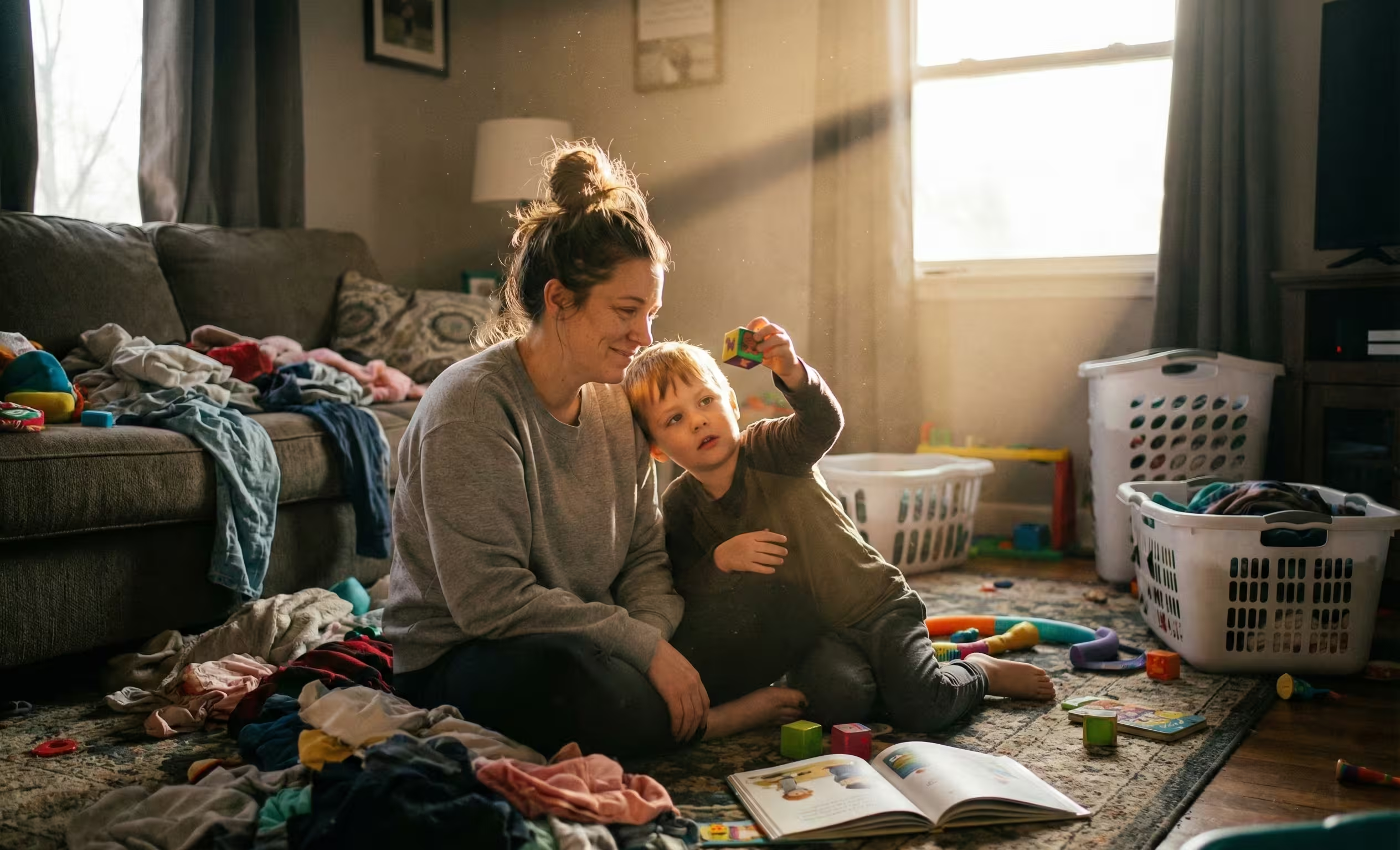
Finding the "Glimmer": Small Joys in Chaos
In the lexicon of neurobiology, 'glimmers' are not just poetic moments of joy; they are physiological cues of safety that regulate the nervous system. At Ziggyloo, our mission extends beyond academic tutoring to the preservation of these critical connections. By using adaptive AI to minimize the friction of learning, we aim to clear the 'static' of daily stress, allowing parents and children more bandwidth to recognize and celebrate the small, neurological wins of the day.
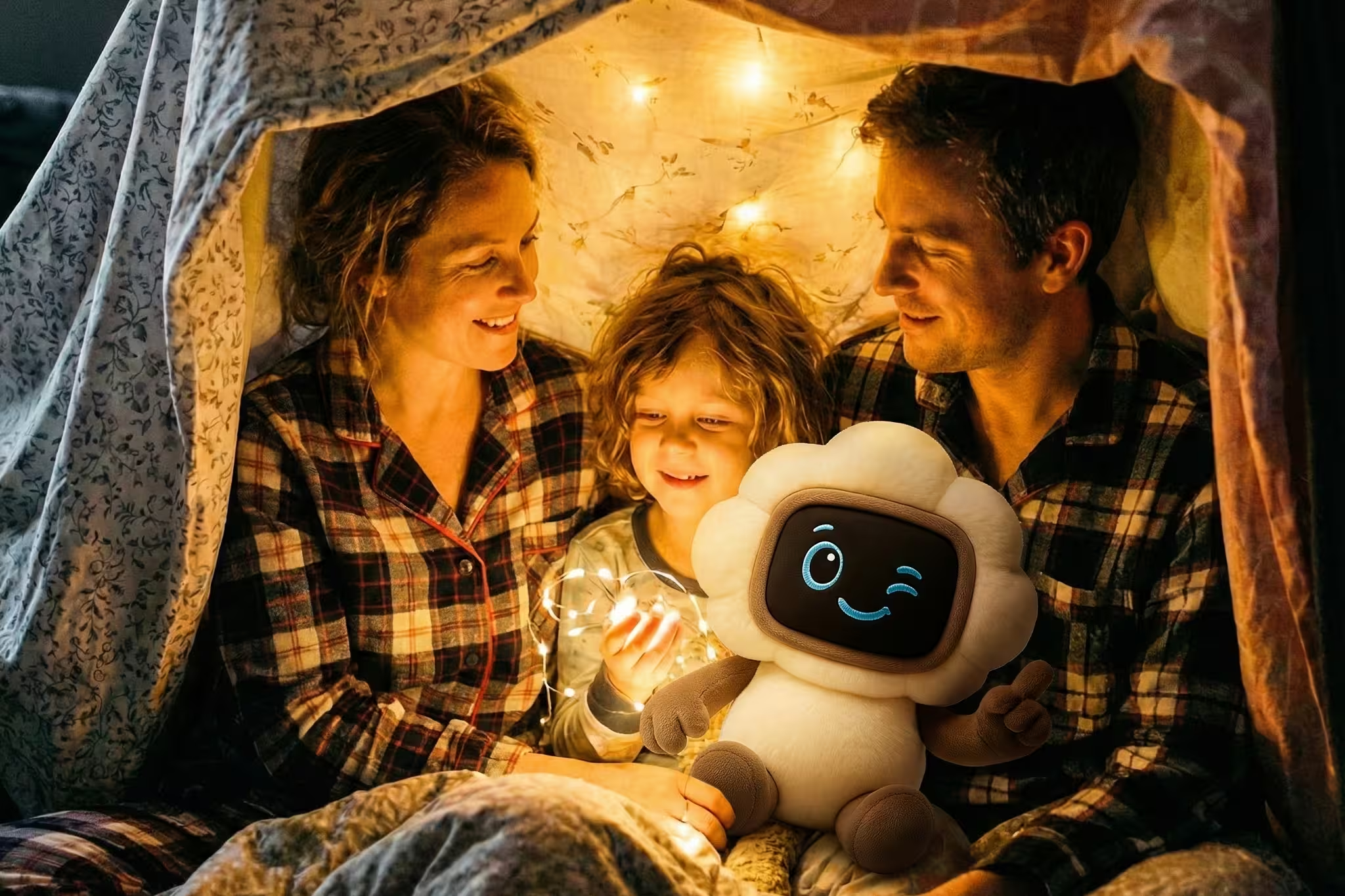
Holidays and Sensory Overload: Your Permission to Say "No"
The holiday season is often marketed as a time of joy, but for the neurodiverse brain, it represents a massive spike in sensory and executive function demands. At Ziggyloo, we champion the principle that 'regulation precedes expectation.' While our AI tools provide a predictable, adaptive learning environment to minimize academic stress, the unpredictable nature of the holidays requires a similar strategy: the deliberate curation of sensory input to preserve your family’s emotional well-being.
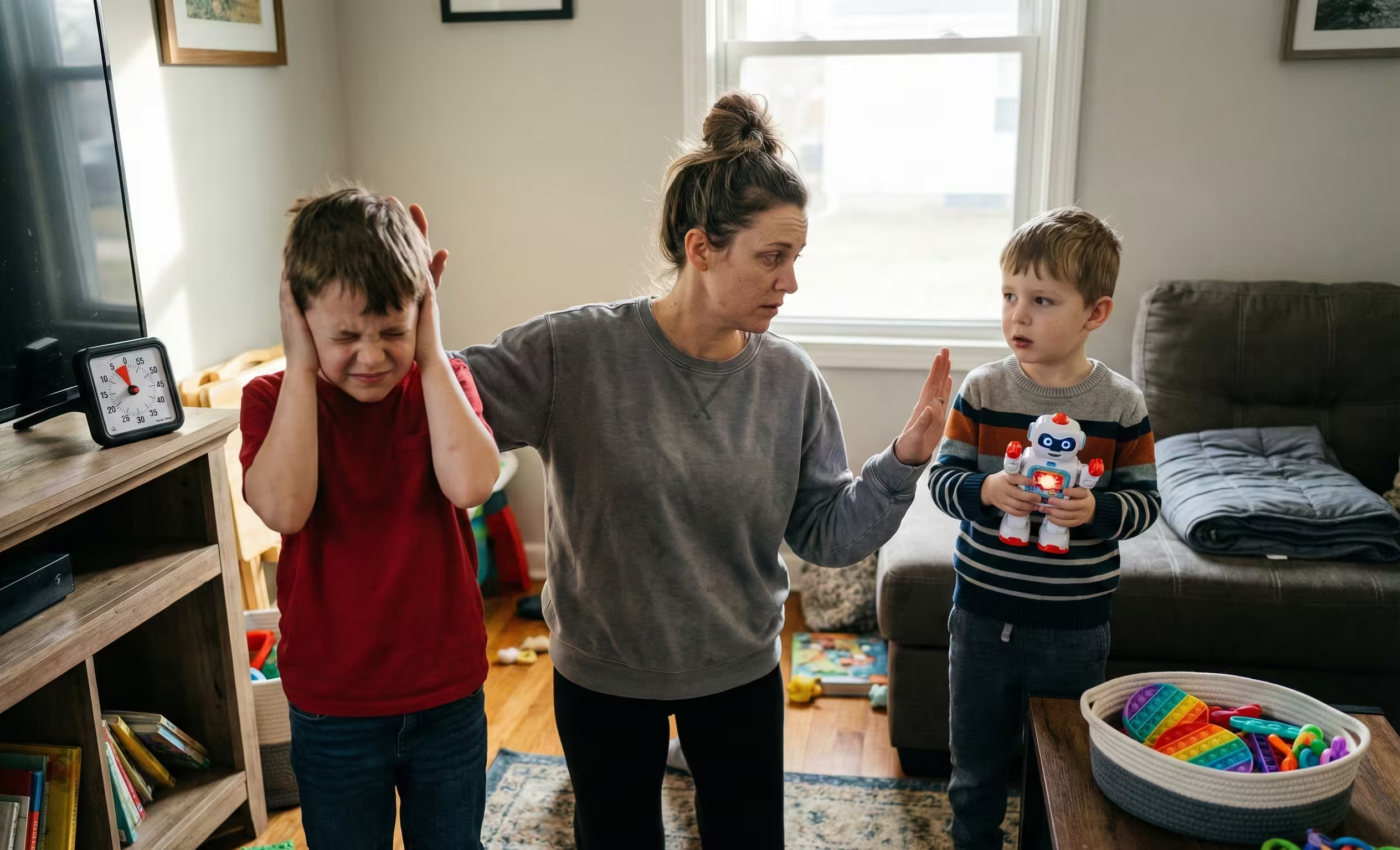
Sibling Squabbles: When It's More Than Just "He Started It!"
In a neurodiverse household, sibling conflict is rarely just about a stolen toy; it is often a collision of competing sensory needs and communication styles. At Ziggyloo, we design our learning tools to adapt to these distinct cognitive profiles, but we know that managing the 'mixed-neurotype' dynamics of a family requires its own set of translation skills. To foster a supportive environment for learning and living, we must move beyond standard refereeing and start decoding the neurological root of the argument.

The "Glass Child": Seeing and Supporting Siblings
Academic success for a neurodiverse child is rarely an isolated endeavor; it is dependent on the emotional stability of the entire family ecosystem. At Ziggyloo, we recognize that while our AI focuses on the unique learning needs of one child, the 'Glass Child' phenomenon—where siblings become invisible due to the high-resource demands of neurodivergence—can fracture that foundation. Supporting siblings is not just an act of fairness; it is a critical component of maintaining a resilient home environment where every learner can thrive.
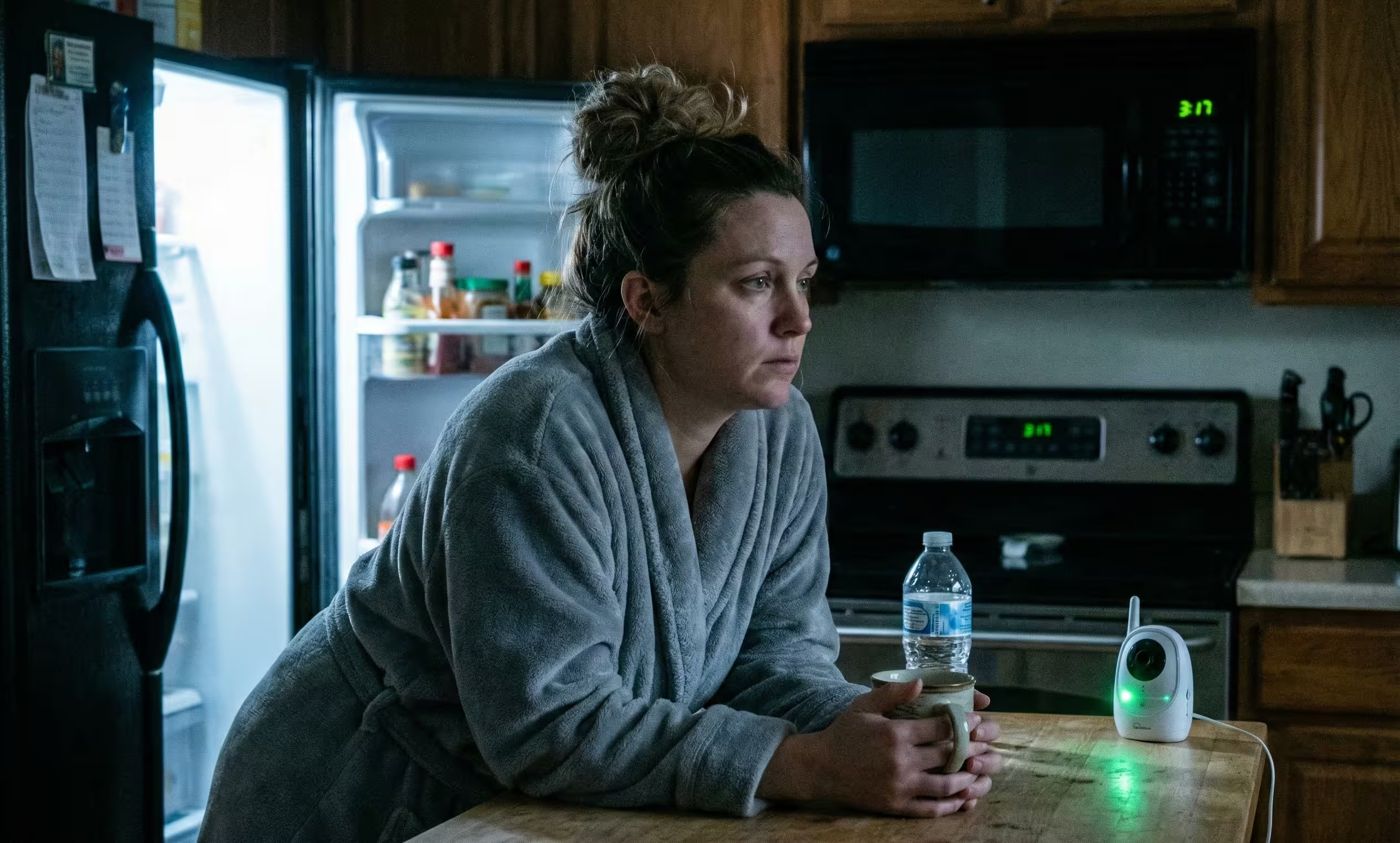
The Zombie Mom Diaries: Sleep Solutions for the Whole House
At Ziggyloo, we know that neurodiverse children often face unique sleep challenges—from sensory sensitivities to difficulties with self-regulation—which directly impact their ability to focus and learn. While our AI tutor adapts to your child’s educational needs, we also want to support the foundation of that learning: a well-rested home. Here are practical sleep solutions to help the whole house thrive.

The Isolation Station: Finding Your Village When the Invites Stop Coming
Social isolation is not just an emotional byproduct of raising a neurodiverse child; it is a systemic barrier that impacts the entire family's ability to thrive. At Ziggyloo, we build AI tools to support your child’s unique learning journey, but we know that no app can replace the 'village' needed to raise them. Breaking the cycle of isolation is essential for building the resilience required to advocate for your child’s educational and social needs.
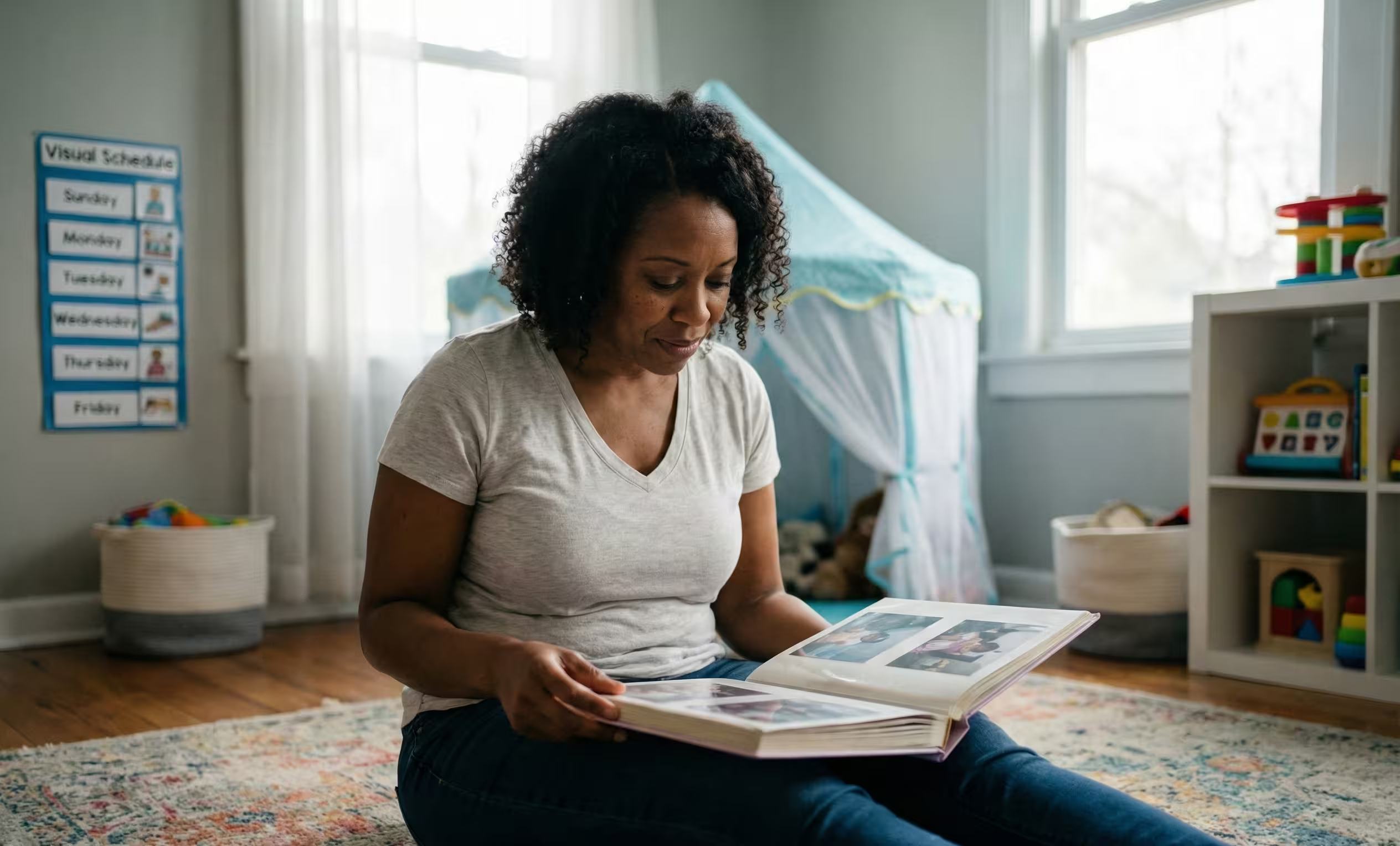
Mourning the "Typical" Experience (And Loving the One You Have)
Navigating the diagnosis of a neurodiverse child often involves a complex grieving process that is rarely discussed in traditional educational settings. At Ziggyloo, we believe that acknowledging this emotional journey is a prerequisite for effective advocacy and learning. While our AI tutors adapt to your child’s cognitive needs, we know that you, the parent, must first navigate the emotional landscape of letting go of 'typical' expectations to fully embrace your child’s unique potential.
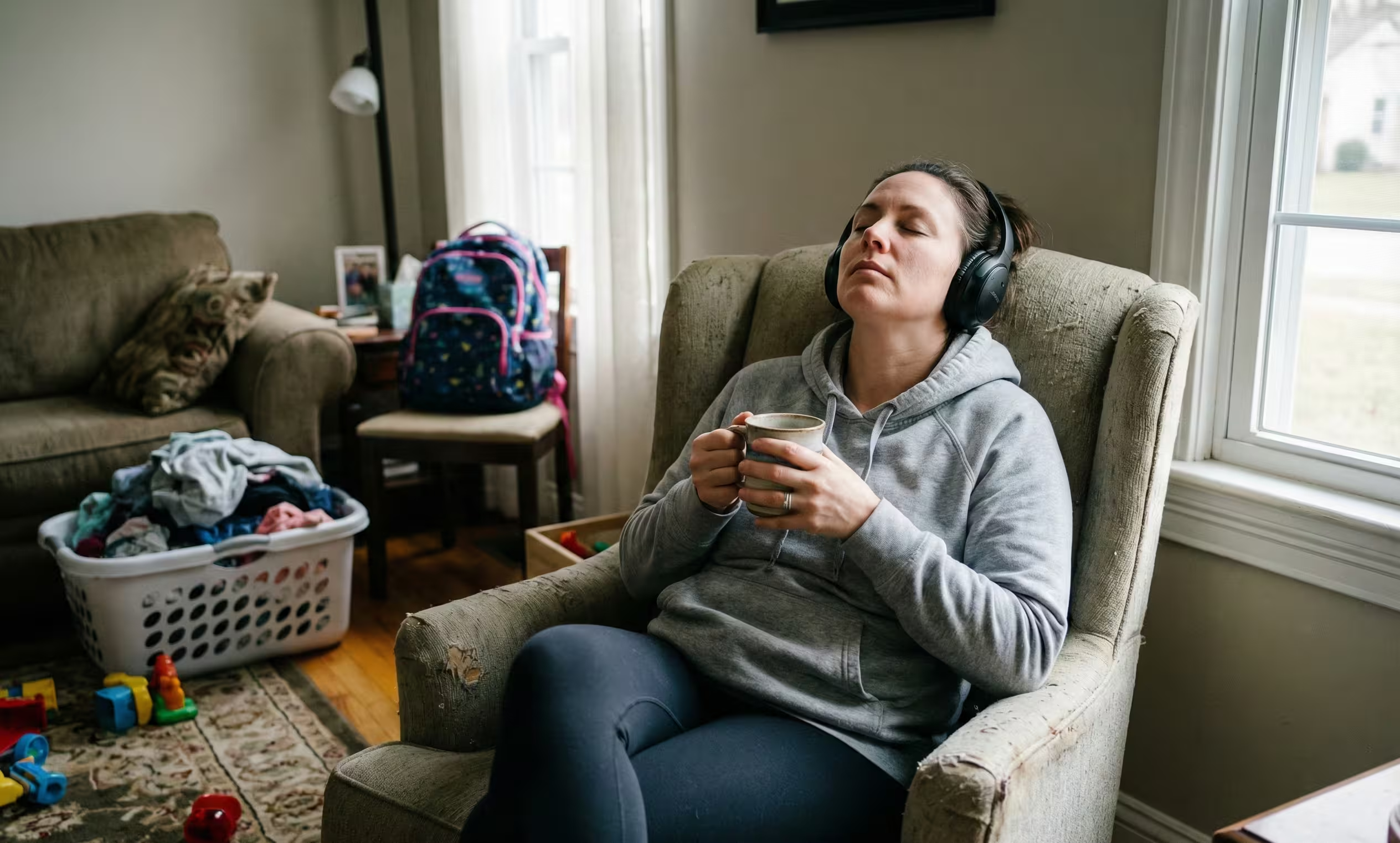
Why "Self-Care" Isn't Just a Bubble Bath (It's Survival)
In the ecosystem of a neurodiverse home, parental well-being is not a luxury—it is the primary regulator of the family's emotional stability. At Ziggyloo, we recognize that when you are the external executive function for your child, 'burnout' is a systemic risk, not a personal failing. While our AI tools act as a digital scaffold for your child’s learning, this guide addresses the human scaffold that holds it all together: you.

Stress, Coffee, and the "Flaming Pineapple" Act: You Are Not Alone
Parenting is often described as a balancing act, but for families navigating neurodiversity, the cognitive load is measurably higher. At Ziggyloo, we understand that parental stress is not just an emotional state—it is a response to the complex executive function demands of managing unique learning needs. Our AI tools are designed to share that load, but first, we must acknowledge the reality of the daily juggle.

The "Guilt Monster" is Lying to You: Why Your Mood Doesn't Break Your Child
Parenting a neurodiverse child requires a heightened level of emotional co-regulation, which can make a 'bad day' feel like a critical failure. At Ziggyloo, we build our AI tools to be consistent and patient specifically because we know that human parents cannot be—and should not be expected to be—perfect 100% of the time. Emotional resilience is part of the learning journey, both for your child and for you.
Never miss a story
One gentle email a week — learning strategies, community stories, and tools for neurodiverse families.