Blog
Practical strategies, real stories, and new thinking for families raising neurodiverse learners.

Creating connections: ways to foster friendships for your neurodiverse child
Building friendships for your neurodiverse child can be a unique journey. Discover practical strategies to create meaningful connections and support their social growth.
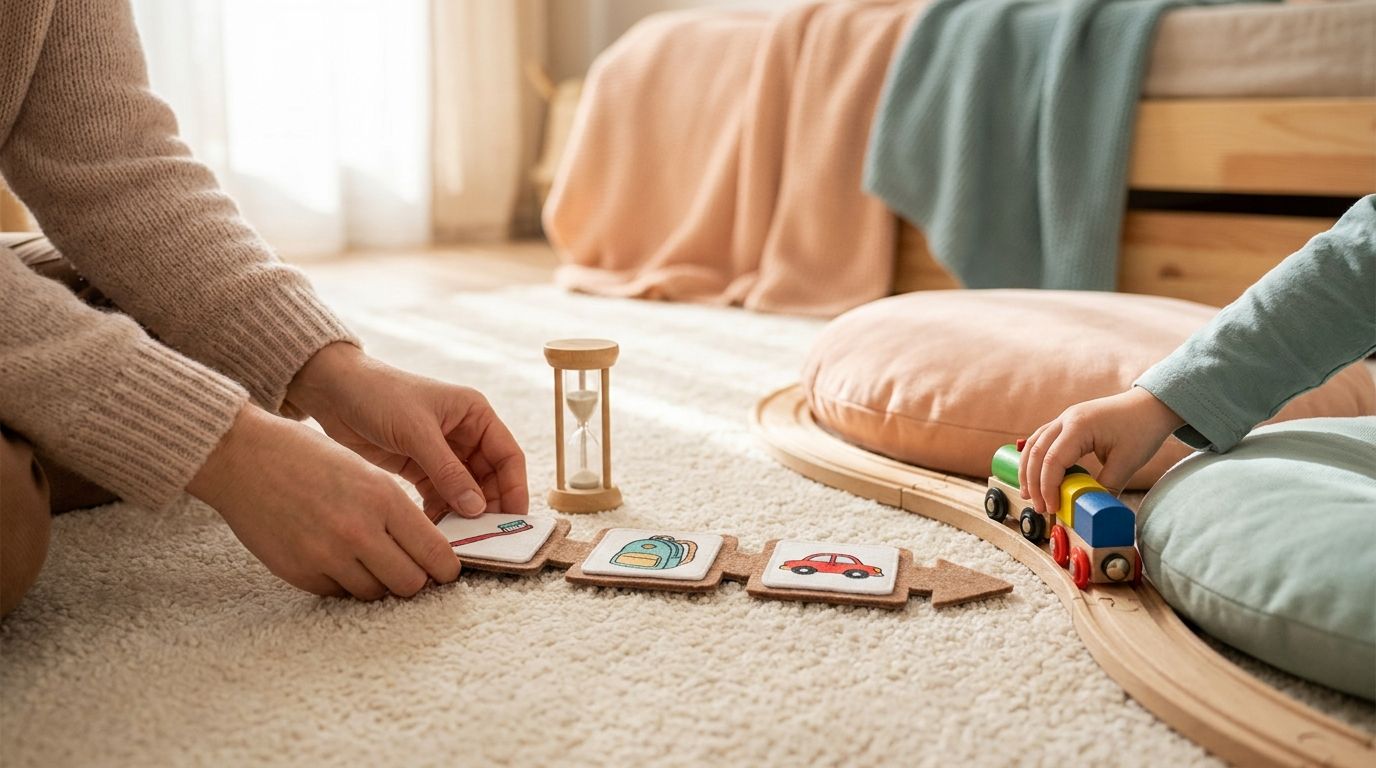
Executive Function Without the Lectures: How to Support Planning, Timing, and Transitions
You can help your neurodiverse child plan, time, and switch gears without constant reminders. Try these calm, concrete supports at home and school.

A Parent’s Guide to Using Ziggyloo During Meltdown Windows (Not After)
When the meltdown clock starts, you need learning that matches the nervous system. Here’s how to use Ziggyloo in the window, not after recovery.
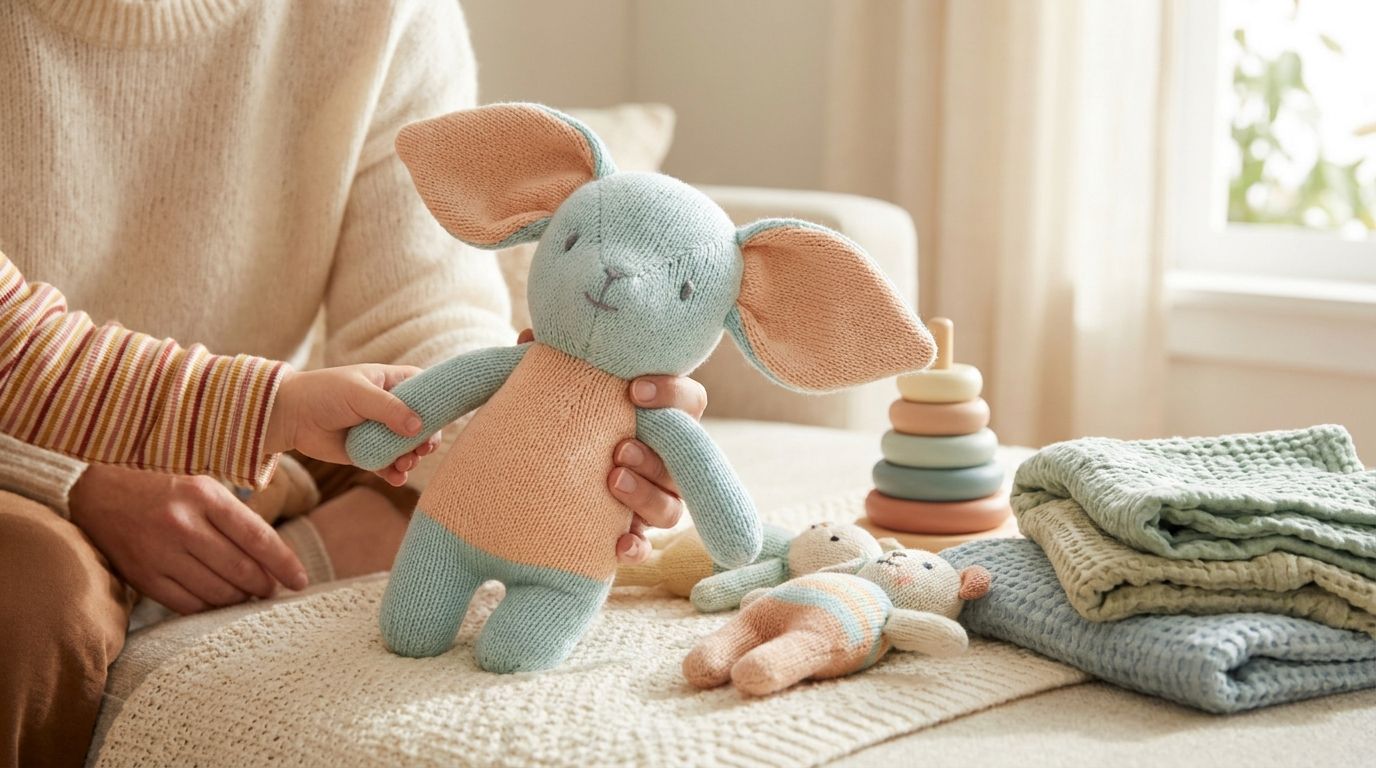
Meet Ziggyloo’s co-regulation crew: characters who help kids feel safe to learn
When learning feels scary, brains hit pause. Meet Ziggyloo’s co-regulation crew and steal the exact calm moves you can use tonight.

The listener who turns I can’t into Let’s try one more: a growth mindset for kids
When “I can’t” shows up, your tone matters. Learn listener-style encouragement scripts that work for ADHD mindset and autism learning support.

Luma the Lightbulb: Questions That Feel Safe (Not Demanding)
When kids feel anxious about learning, the wrong kind of question can shut them down. Luma helps you ask in a way that keeps curiosity alive.
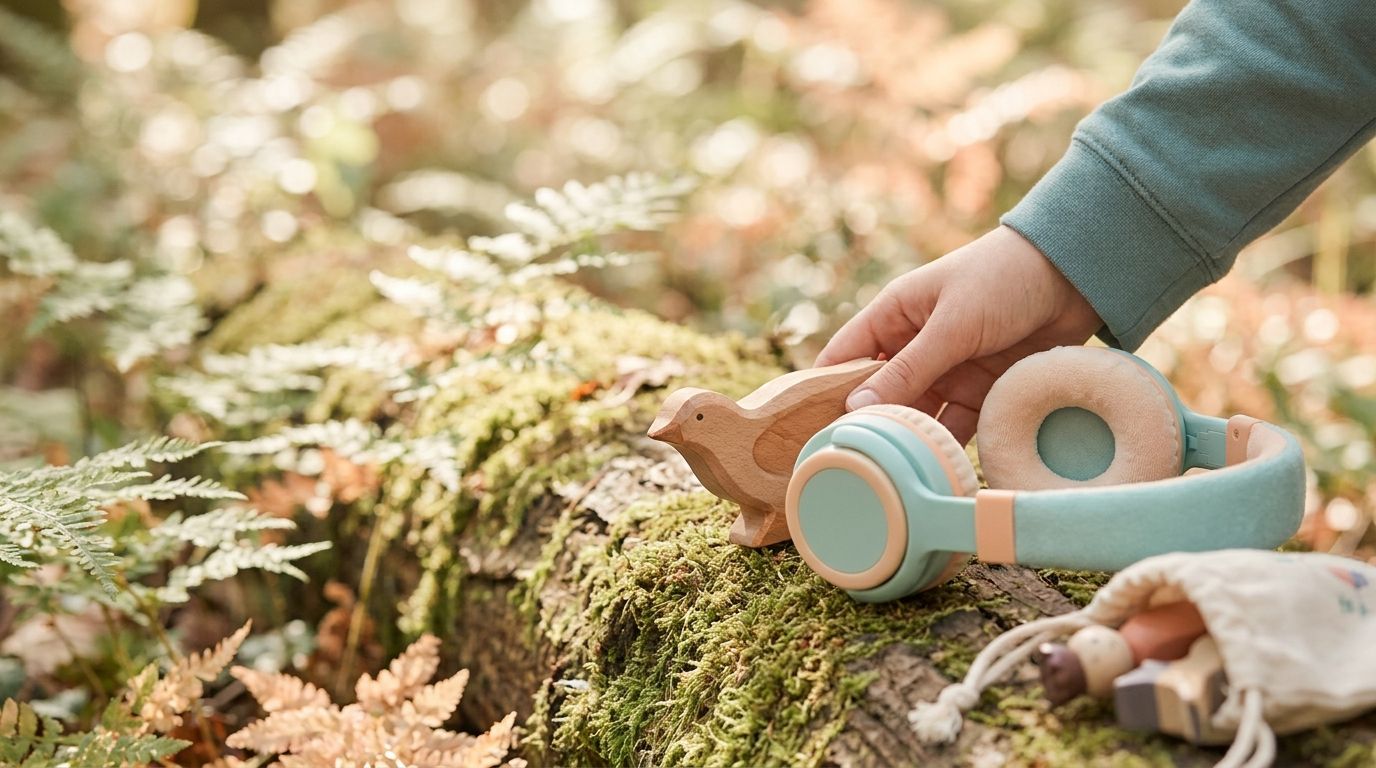
Sound-safari learning through listening, not performance
Turn “sit still and perform” into a sensory-friendly sound safari. You guide, your child listens, and learning happens quietly.

The Pattern Plateau: Math Skills Built from Visual Tricks
If your child can spot a pattern but not use it for math, this is your next win. Try these visual tricks in Ziggyloo biome moments.

Maximize learning with Ziggyloo's interactive games: tips for parents
Discover how to make the most of Ziggyloo's interactive games for your child's learning journey. Fun tips await!
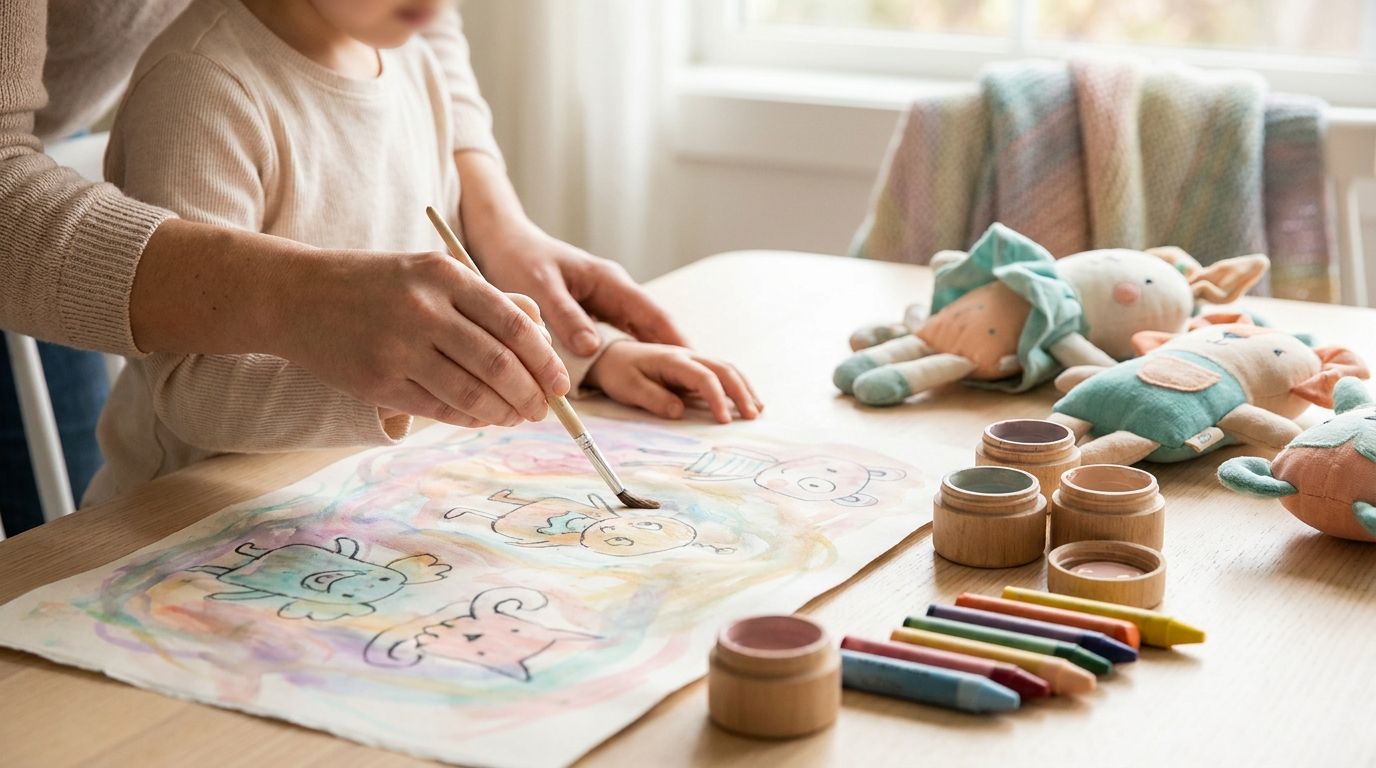
Unlocking creativity: how Ziggyloo's characters inspire artistic expression
Discover how Ziggyloo's characters can spark your child's creativity and inspire artistic expression through imaginative play.
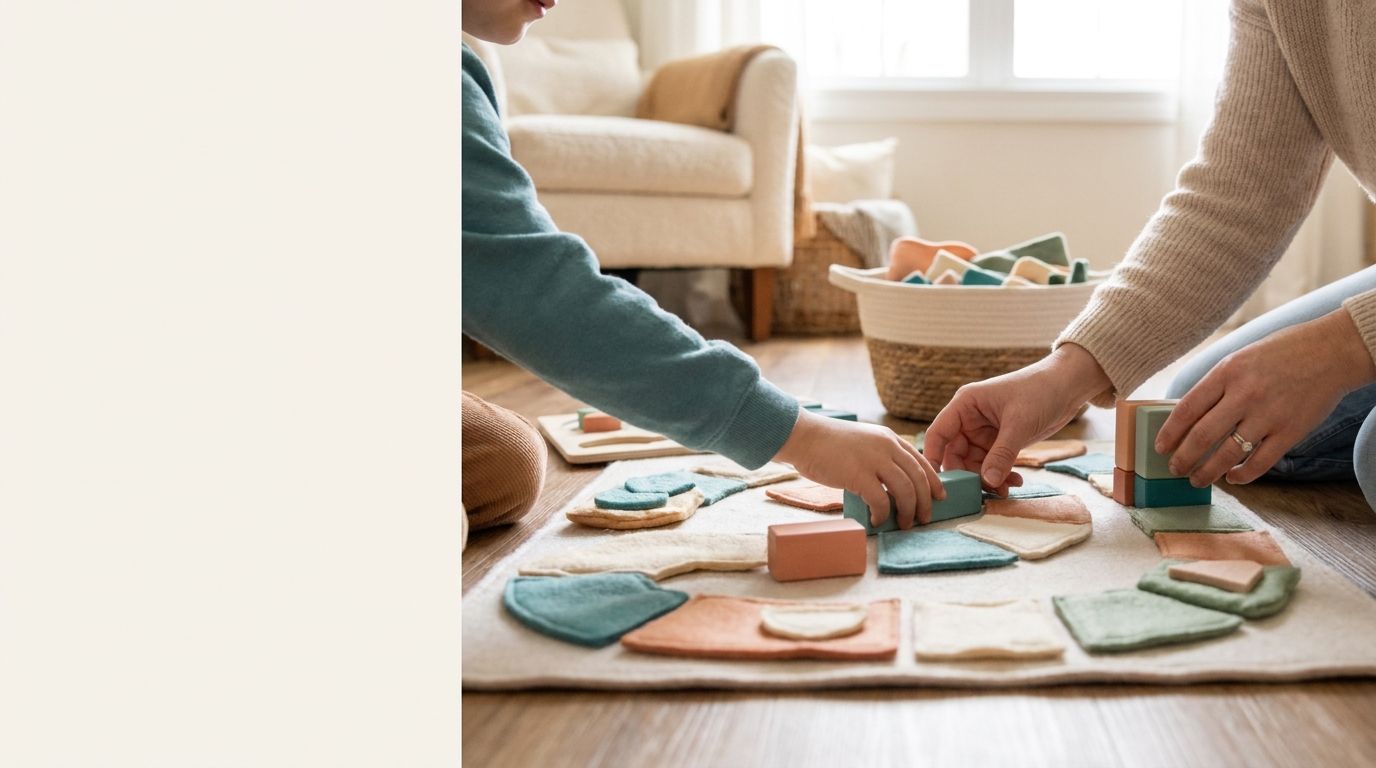
The power of adaptive learning: real-life success stories from Ziggyloo users
Discover how adaptive learning through Ziggyloo has transformed the lives of neurodiverse children and their families, with inspiring success stories.

Crafting community: how shared experiences can strengthen bonds
Discover how shared parenting experiences can foster a supportive community for families with neurodiverse children, enriching connections and understanding.
Never miss a story
One gentle email a week — learning strategies, community stories, and tools for neurodiverse families.